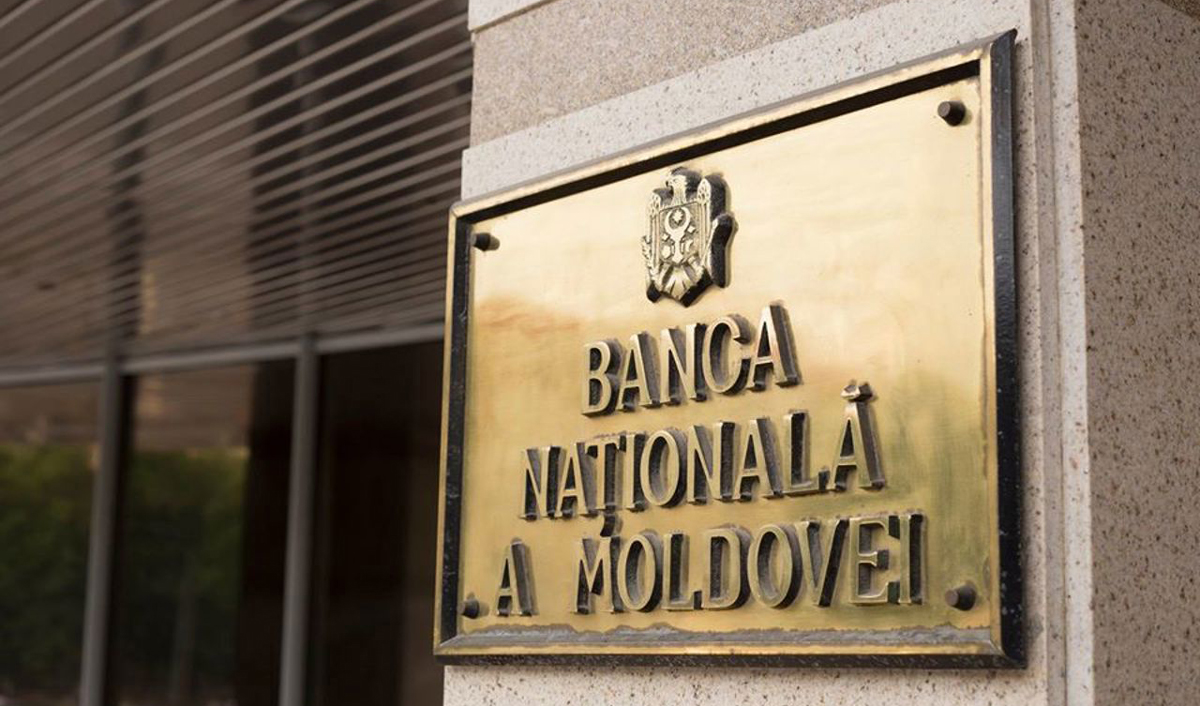

As in the previous survey, the majority of respondents who do manage to save keep their savings in cash (57.1%) or in a current bank account (46.1%). Other ways of saving include: deposits/term deposits (9.1%), life insurance (3.1%), investments in real estate (4.7%) and securities (2.0%). The data are cited by the National Bank, reporting the results of the 5th probing of financial behavior of the population.
The level of trust in the banking system also leaves much to be desired: 35.2% of respondents said that they have “moderate trust in the financial system,” 33.1% – “little or very little trust,” 8.3% – “trust or very much trust” and 19.6% – “no trust at all.” As a result – 31.1% of respondents consider keeping savings in banks “partially safe”, 29.0% – “safe or very safe”, and 25.4% – “unsafe or very unsafe”.
The savings sentiment of citizens is, of course, conditioned by the level of income. As the regulator found out, the main sources of family income remain salary – 63.2% of respondents and pension – 45.9%. Other sources mentioned by respondents are transfers from abroad (13.4%), social payments (13.1%), income from self-employment (10.9%).
According to the survey data, the distribution of average monthly income in the sample of respondents is as follows: 12,7% have a monthly income of less than 3 thousand lei, 19,2% of respondents indicate an average monthly income from 3 to 5 thousand lei, and 29,3% – from 5 to 10 thousand lei. Also, 25,5% of respondents have an income from 10 to 20 thousand lei, and 8,8% have an income exceeding 20 thousand lei.
The main purposes of savings remain “in case of unforeseen circumstances (54,7%) and investing in children, grandchildren, relatives (45,7%)”. Other goals mentioned by respondents are short-term planned future purchases (42.9%), possible deterioration of financial situation (33.1%). Long-term savings goals were mentioned only in 28.3% of answers, investment in profitable assets – 10.2%.