
Moldova's exit from the CIS: the economy doesn't count
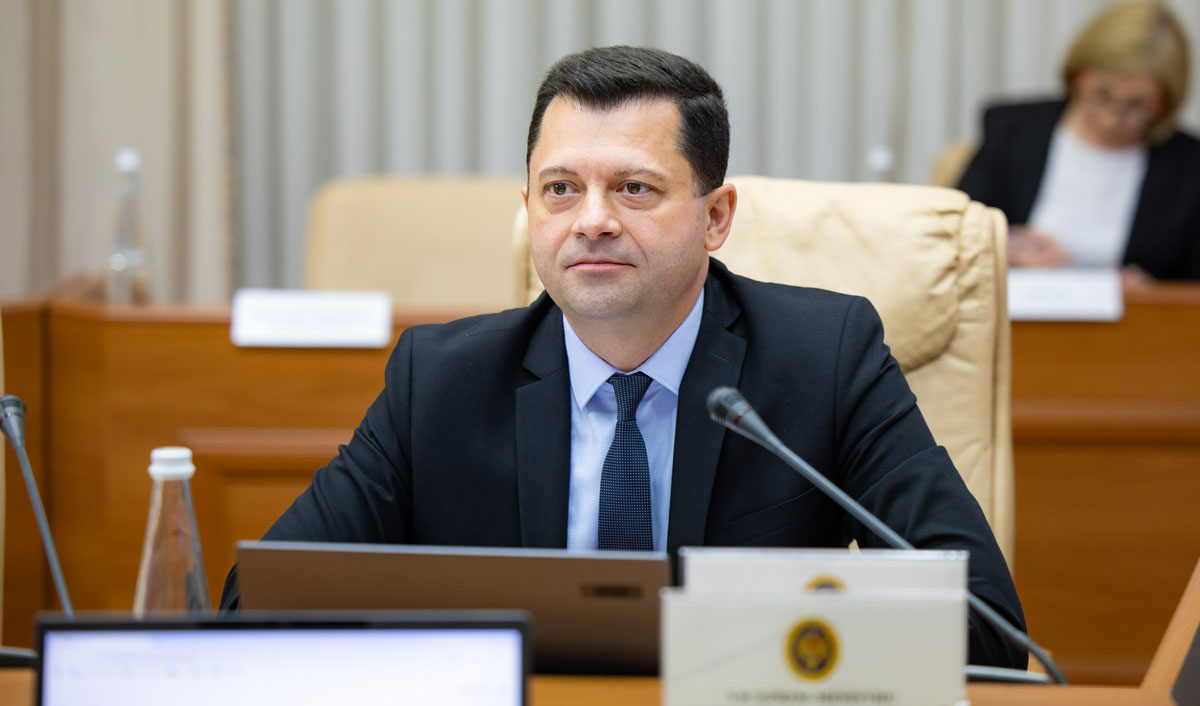
It is about denunciation of the Agreement on the establishment of the Commonwealth of Independent States, signed in Minsk on December 8, 1991, the Protocol to this Agreement of December 21, 1991, as well as the CIS Charter, adopted in Minsk on January 22, 1993.
With this decision, Moldova initiated the procedure of final withdrawal from the CIS statutory bodies.
It is Putin’s fault!
The reason for these actions is stated to be the failure of the Russian Federation to comply with the fundamental values and principles of the Community, according to which states “recognize and mutually respect the territorial integrity and inviolability of the borders existing within the Community”, as well as the new strategic directions and priorities of the Republic of Moldova as a candidate state for accession to the European Union.
The denunciation of these CIS founding treaties does not imply or condition the termination of Moldova’s participation in other agreements concluded within the CIS, which bring concrete benefits to our citizens and national economy, the Moldovan authorities believe.
Thus, Moldova will continue to apply in its relations with the CIS member states the treaties mainly in the trade and economic field, such as the agreement on free trade zone, as long as they serve the economic interests of the state.
The free movement of Moldovan citizens in CIS countries will also not be affected by this decision, as it is largely regulated by the bilateral agreements in force.
Besides, the government says, the denunciation of the CIS member-state status will also save the state budget about 3.1 million lei per year (annual membership fee).
Over the last two years, Moldova has initiated a large-scale process of revision of the relevance and applicability of the agreements concluded within the CIS. As of today, out of 283 CIS agreements, 71 have already been denounced by Moldova and about 60 are in the process of denunciation.
The government will submit the drafts of the approved laws to the parliament for consideration and voting. If approved by parliament, the draft laws will be sent to President Maia Sandu for her signature.
For the sake of image
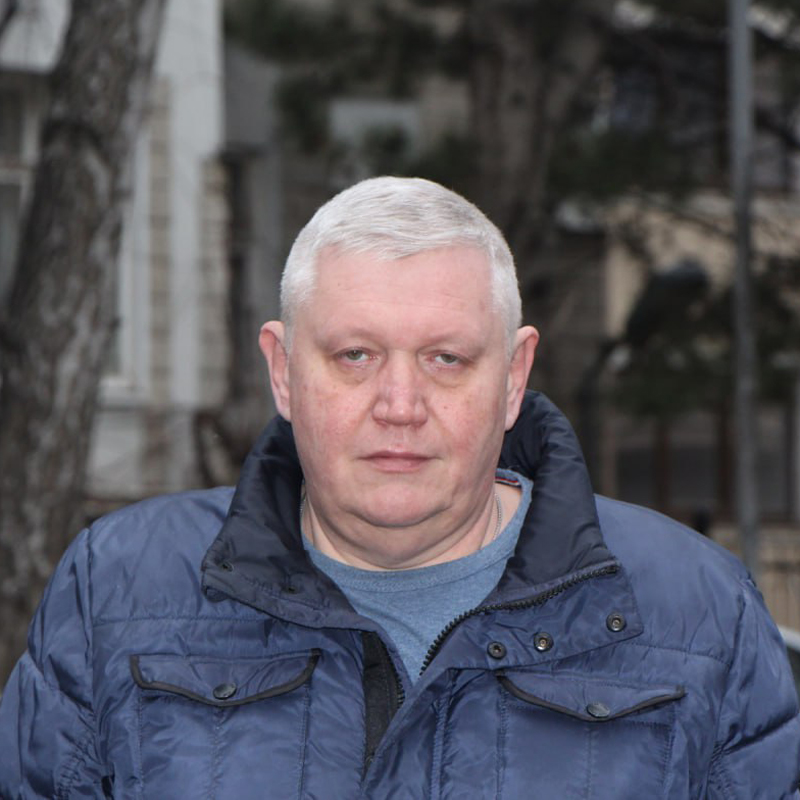
Igor Shornikov, director of the Institute of Socio-Political Studies and Regional Development, said that Moldova’s desire to distance itself from the CIS is primarily due to image considerations. According to him, this step, as Kishinev believes, helps them to move away from the path that Brussels expects from them. At the same time, the expert emphasized that the real prospects of Moldova’s European integration look vague.
Politics to the detriment of the economy
“With the coming to power of the party “Action and Solidarity” (PAS), its proxies in the power structures, blindly following the “recommendations” of the collective West, started to break trade and economic cooperation with the CIS states, including the denunciation of the relevant agreements – commented on the decisions taken by Doctor of Economics Mihail Poisic. – As a result, only in the last three years, compared to 2022, Moldova’s total exports to the world market decreased from $4332.1 million to $3782.7 million in 2025. Including to the CIS, respectively, from $1043 million to $224.2 million! This, in turn, led to a destructive rapid growth of the foreign trade balance deficit, as imports during the same period increased from $9219 million to $10921.6 million, while from the CIS it literally collapsed 6.3 times (from $2185.6 million to $346.3 million)”.
The refusal of energy carriers is especially painful, the expert says.
For it immediately led to an increase in tariffs on them. In particular, if in 2019. 1 cubic meter of natural gas still cost 4.3-4.8 lei with VAT, then this year, and already without VAT, 13.35 lei. And this provoked both an increase in the cost of everything produced and a decrease in competitiveness, as well as led to the rapid impoverishment of the population.
And if in 2019 every fourth inhabitant of Moldova (25.2%) was somehow still trying to make ends meet below the absolute poverty line, i.e. in the conditions of lack of sufficient resources to ensure the basic needs of life, including such needs as safe drinking water, food or sanitary conditions, then in 2024 – only every third inhabitant (33.6%). And in rural areas – 42.9%. We must assume that the results of 2025, when they are published, will not inspire optimism either.
Russia expressed regret and warned of the consequences
The decision of the Moldovan authorities to denounce the CIS basic agreements may lead the country to a period of uncertainty and have long-term consequences for its citizens. This was stated by Grigory Karasin, chairman of the Russian Federation Council’s committee on international affairs.
According to the senator, the step taken in Chisinau is regrettable because, as he believes, the republic risks facing uncertainty in economic issues, internal politics and social organization. Karasin expressed the opinion that the decision was taken under the influence of Western countries, first of all the European Union, which, according to him, had been promoting a similar course for a long time.
He noted that Moldovan citizens may face difficult times in the near future. The senator added that the consequences of the current decision, according to his assessment, may affect the lives of several generations of the country’s residents.
For his part, Russian presidential press secretary Dmitriy Peskov expressed regret over the Moldovan government’s actions.
He also noted that Chisinau “continues its course of denying any relations with Russia and integration processes”.
The Kremlin spokesman added that Moldova’s decision did not come as a surprise to Moscow, as the republic’s participation in the CIS had been frozen for a long time.
The deputy chairman of the State Duma committee for CIS affairs, Konstantin Zatulin, said that the commonwealth would not lose anything from Moldova’s withdrawal.