
The Association of Tourism Industry Employers of the Republic of Moldova (APIT) welcomes these decisions.
“They confirm that the Eastern European transport infrastructure is considered by the EU as an element of security, sustainability and strategic mobility, which is of direct importance for the Republic of Moldova. APIT is a member of the Moldova Vrea Autostrada civic initiative and for many years has consistently promoted the concept of the Iasi-Chisinau-Odessa highway as a key corridor between the EU, the Republic of Moldova and Ukraine,” the association said in a statement.
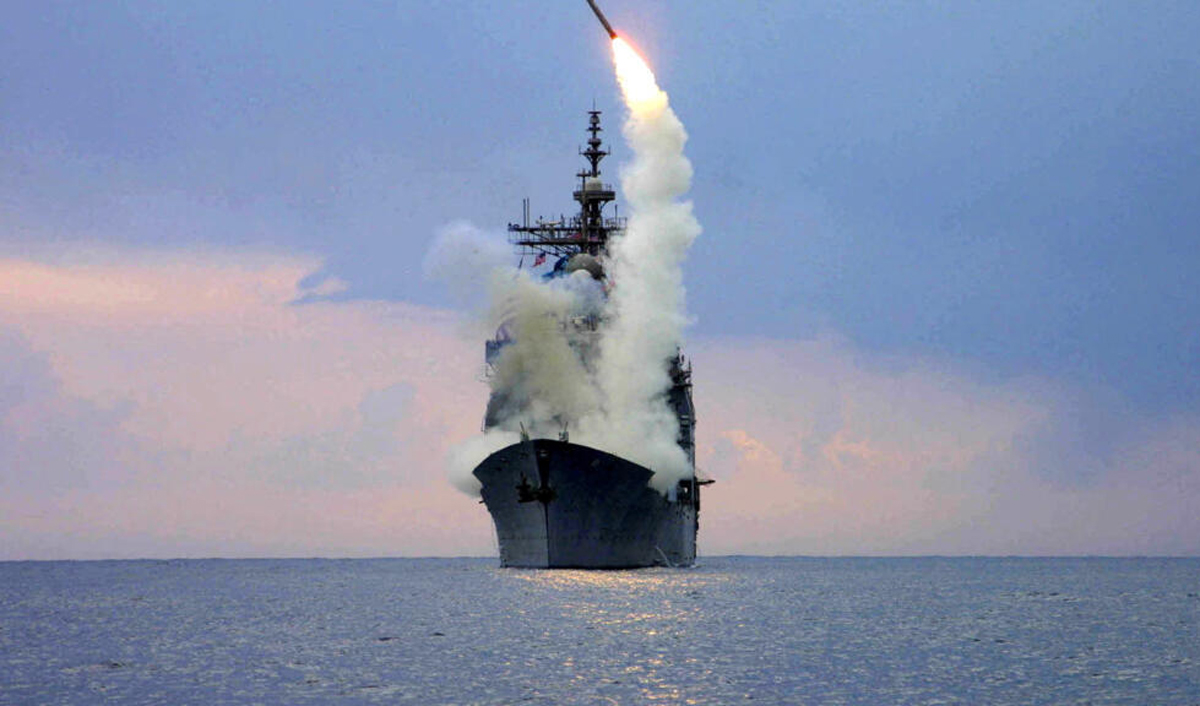
The Romanian highway funding was approved by the European Commission under the SAFE – Security Action for Europe – defense investment program. Romania has been allocated about 16.7 billion euros, of which 4.2 billion euros are proposed to be spent on the construction of the A7 and A8. Only Poland received more than Romania.
Iasi Prefect Constantin Dolaki-Pelin called the project historic:
“After 20 years, the European Commission has approved the financing of the Pascheni-Iasi-Ungheni highway. This strategic project is vital for the economic development and real connectivity of our region”.
Iasi County Council Chairman Costel Alexe stressed that the financing of highways through the SAFE program are “strategic projects for the development of the county and the whole Moldovan region”.
Romanian President Nicusor Dan also welcomed the European Commission’s decision:
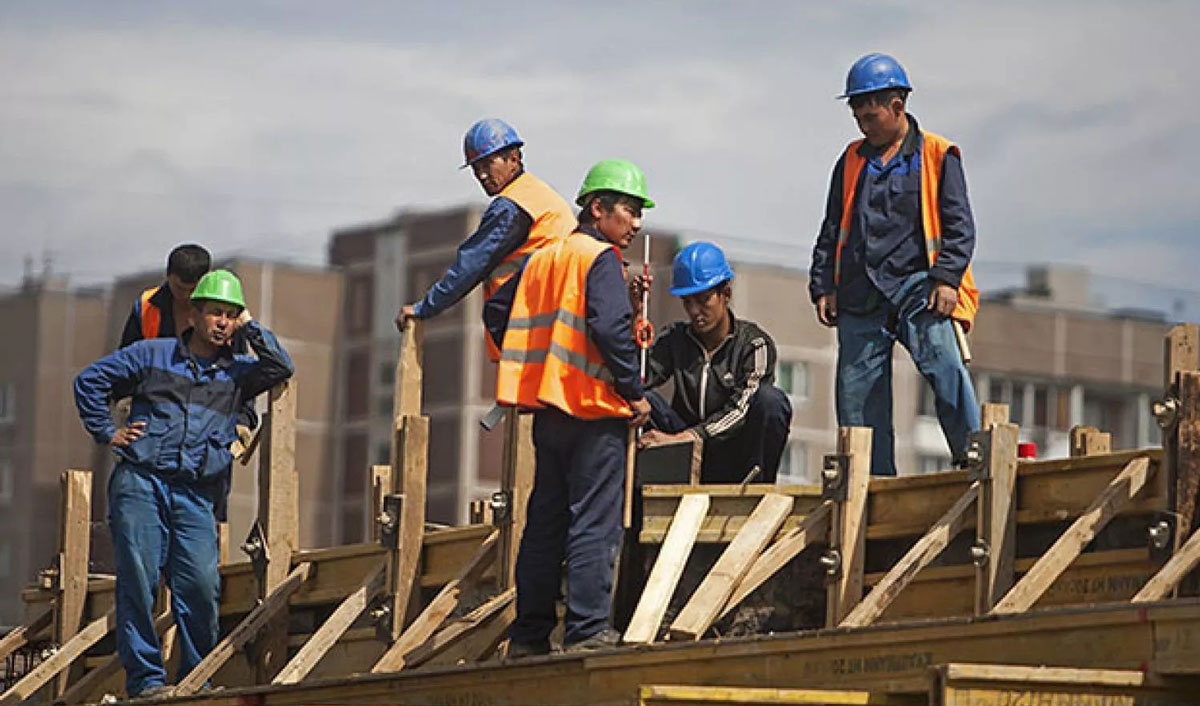
“These resources will significantly contribute to the creation of new high-paying jobs and the modernization of transport infrastructure, including one of the most important projects, the Moldovan Motorway.”
As Apix.ro notes, these two projects in the northeastern region of Romania have two important components: the modernization of 15 km of highway on the territory of Ukraine (part of the Pascani-Siret project) and the construction of 5 km of highway on the territory of the Republic of Moldova (part of the Pascani-Ungheni project).
The publication points out that the new highways will have a dual purpose – civil and military.
“These two highways are transport corridors with a dual purpose and are important for the logistical support of Ukraine and the security of the eastern flank of the EU and NATO,” the newspaper said.
Prime Minister Ilie Bolojan said that Romania will be able to use a preferential long-term loan as early as spring 2026 after the signing of the agreement, while construction is scheduled to start no earlier than the fall and be completed by 2030.