
EU Energy Commissioner Dan Jorgensen said after a meeting of EU energy ministers: while there is no shortage of oil and gas in the bloc’s member states, pressure on diesel and jet fuel supplies and “growing constraints” on global gas markets are driving up electricity prices.
“Even if there is peace tomorrow, we will not return to normalcy in the foreseeable future,” the Energy Times quoted Euronews’ Jorgensen.
He said the EU executive was preparing a series of measures to help families and businesses cope with a 70 percent increase in gas prices and a 60 percent increase in oil prices. According to Jorgensen, EU bills for imported fossil fuels have risen by 14 billion euros since the war began.
“Coordinated action by EU members is needed.”
He added that coordinated action by all EU member states was needed to “avoid fragmented national responses and damaging signals to markets”.
A toolkit of forthcoming measures will be presented “very soon” and will include ways to decouple gas prices from electricity prices. The possibility of lowering electricity taxes is also being considered.
A one-time “income tax” is possible
Jorgensen said that while he does not expect a repeat of the 2022 gas crisis, when companies made large profits through sharp price increases, a one-time “profit tax” for such companies “remains a possibility.”
He urged EU countries to consider the International Energy Agency’s 10-point plan, which includes working from home, reducing highway speeds, promoting public transportation and increasing car sharing.
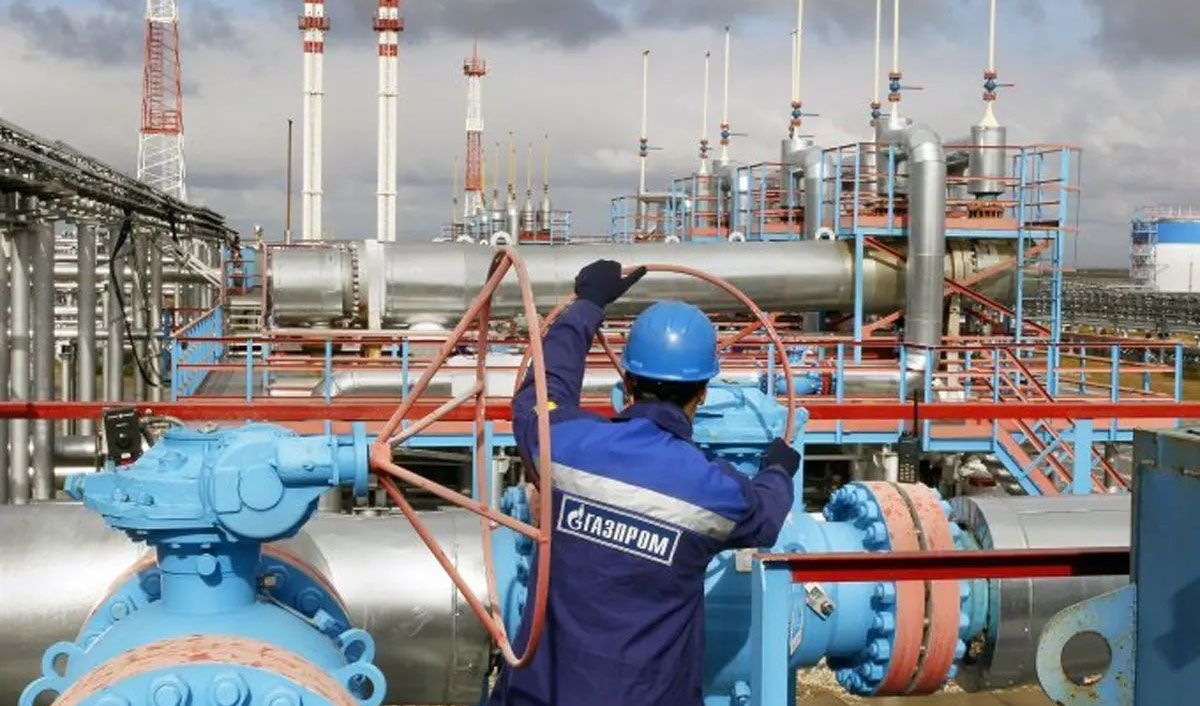
He said the EU would remain committed to its ban on buying Russian gas. Dependence on it has fallen from 45% before the war to 10% now. It is expected to fall to zero when imports from the US increase.
The EU is exploring new sources of energy from Azerbaijan, Algeria and Canada, as well as small producers around the world.