
Currency markets are showing unprecedented restraint and stability, with emerging market currencies showing minimal fluctuations, often outperforming their developed counterparts. According to JPMorgan, low currency volatility has held for the longest time since 2008.
Expectations on decisions of the US Federal Reserve System and tensions around Iran make investors act cautiously. Investors are actively using carry trade strategies, with inflows into emerging markets the highest since 2019.
In anticipation of change
Overall, the global FX market is awaiting further monetary policy signals, maintaining a “rational calm”. In the current environment, some emerging market currencies have started to be perceived by investors as relatively stable assets. Regulators in many countries prefer a wait-and-see attitude, which translates into low volatility in the currency market.
The absence of new drivers from the ECB and the Fed give a narrow range of fluctuations in EUR/USD, Asian currencies remain stable, and currencies of developing countries show moderate optimism. Despite the external calm, IMF experts warn of hidden structural changes and risks that could lead to increased volatility in case of sharp economic shocks.
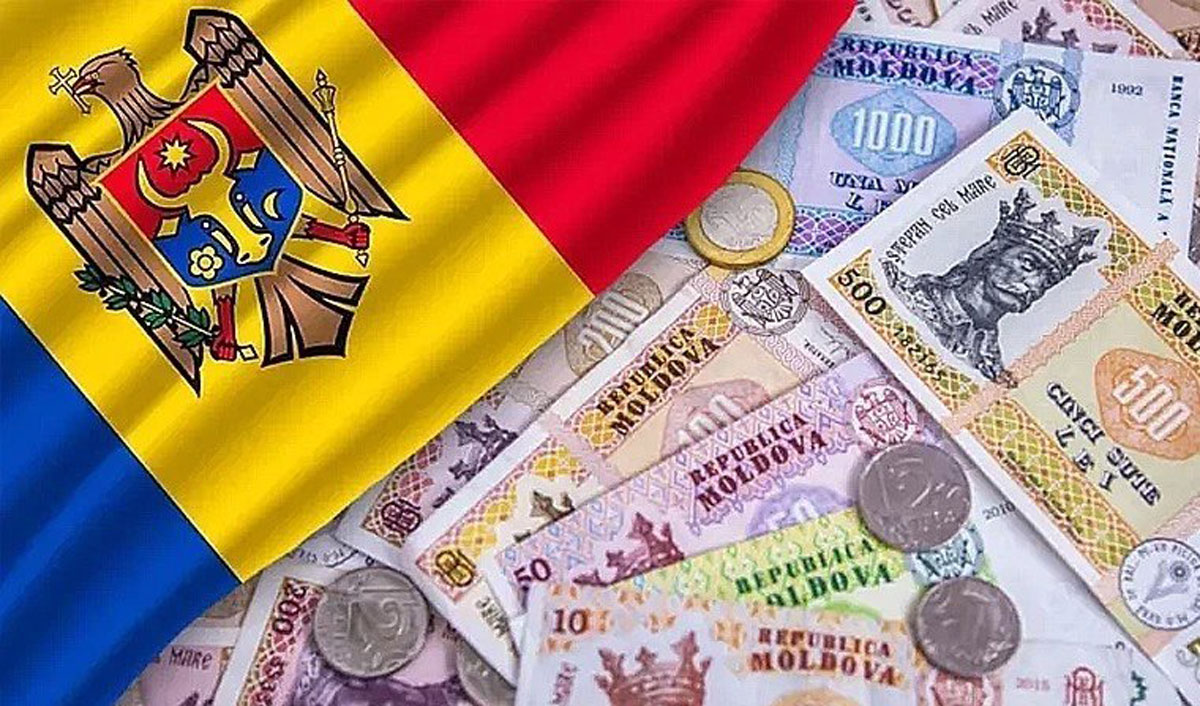
Against the background of global restraint of currency markets, the Moldovan leu also shows stability with minimal fluctuations at the beginning of April 2026. The National Bank of Moldova (NBM) keeps the situation under control and the exchange rate remains within a narrow corridor.