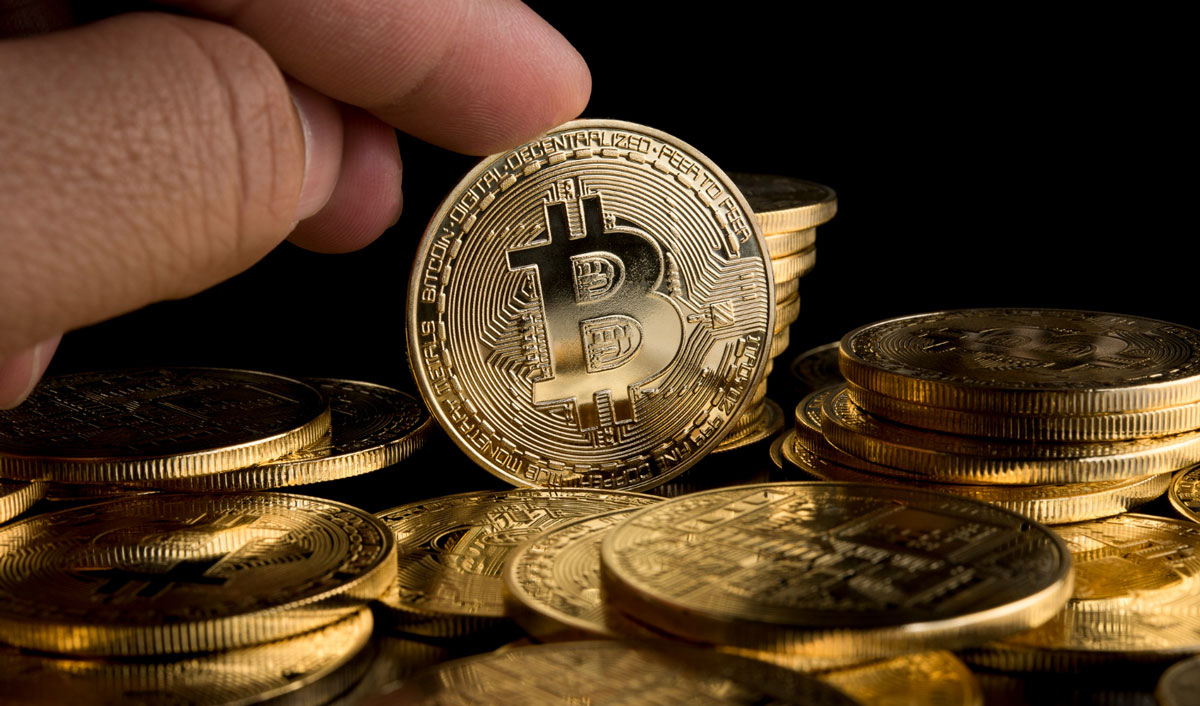

Cryptocurrencies lose safe haven status over Iran war
Tension in the cryptocurrency market is created primarily by the expectation of a tough policy from the U.S. Federal Reserve. Observed in recent days exchange rate fluctuations of Bitcoin, the world’s largest digital currency, make it clear that cryptoassets are less and less likely to act as a protective tool in times of global crises.
Bitcoin’s fall came amid nervousness in global markets caused by the conflict in the Middle East and rising oil prices, according to Barron’s. However, investors are simultaneously watching inflation in the US and the Fed’s policy. The probability of a rate cut at the next meeting has virtually disappeared – according to market estimates it is less than 1%.
This seriously affects the crypto market, which in recent years has been heavily dependent on global liquidity, the publication notes.
Cryptocurrencies again behave as risk assets
Analysts note that the current dynamics are destroying the popular narrative of Bitcoin as “digital gold.”
Deutsche Bank strategist Henry Allen said rising oil prices are increasing the risk of stagflation and could force central banks to keep rates high for longer. “High energy prices increase the risk of stagflation, which may deter central banks from cutting rates,” Barron’s quoted Henry Allen as saying.
And high rates have traditionally put pressure on crypto assets as they reduce the flow of liquidity into speculative markets, he elaborates.
Some analysts believe the market could experience a deeper correction. Geoff Kendrick, head of digital assets research at Standard Chartered, previously warned that Bitcoin could theoretically fall even to $50,000 in a deteriorating macroeconomic environment.
At the same time, the publication notes that despite the volatility, the crypto market remains huge: the total capitalization of digital assets still exceeds $2 trillion.
But it warns that recent movements show an important trend: in times of global uncertainty, cryptocurrencies are increasingly behaving as high-risk technological assets rather than as a protective tool for investors.