China imposes temporary restrictions on exports of diesel fuel and gasoline to meet domestic needs amid regional instability. Countries in the region are trying to find alternative sources, in particular, increasing interest in Kazakh oil.

Capital mobilization is the only lever that can boost productivity, increase revenues, strengthen Europe’s strategic autonomy and increase its resilience.

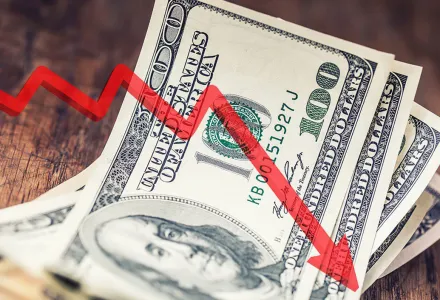
Only due to the depreciation of the U.S. currency, in which the country’s external public debt is calculated, the amount of external borrowings increased significantly, amounting to $4.862 billion in January.
In Moldova, the minimum affordable package of services (Internet + minutes) costs less than $10, making the country the fourth most affordable mobile plan in the region. In terms of price/quality ratio (data value index, cost of 1 Mbps), the country ranks ninth, ahead of Denmark and many Western European countries.

Microchips, biotechnology, robotics and artificial intelligence will be excluded from the list of “strategic sectors” to be (partially) purchased from European manufacturers. Only heavy industrial goods such as mild steel and cement, aluminum and plastics used in the construction and automotive industries remain. These goods will have an advantage in the awarding of government contracts.

Against the background of expensive energy resources, Energy Minister Dorin Jungietu on a business trip to Baku was primarily interested in the construction of large wind farms in Moldova (total capacity of 170 MW) and the integration of energy storage systems (BESS).

European financial markets are under strain as the U.S. and Israeli war against Iran renews fears that an energy shock could exacerbate inflation. The region is almost entirely dependent on oil and gas imports. The price of Brent crude has risen nearly 10% since Friday, while natural gas prices in Europe have jumped 50%.
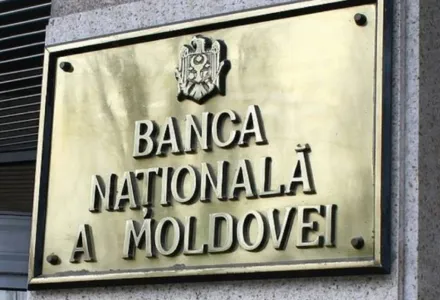
In the final report on the country following the expert mission, the International Monetary Fund (IMF) confirmed the NBM’s commitment to the principles of credibility and institutional transparency. The experts recognized the methods used as being in line with the modern international practice, allowing the domestic central bank to conduct an efficient monetary policy and contribute to the stability of the country’s financial system.
In 2025, residential real estate investments in Moldova remain a priority despite contradictory market signals. The population still considers these investments as a long-term capital protection tool, although the market is moving towards transformation due to the limited ability of households to finance purchases.

Oil futures rose sharply by more than 8% in early trading on Monday, reaching a multi-month high. In the first trading after the attacks on Iran, Brent crude, the international benchmark, rose 13% to reach $82.37 a barrel. However, it later corrected slightly and rose another 7% in London.

The global energy sector is bracing for the most significant disruption in four years. As the conflict in Iran escalates, the Strait of Hormuz, the world’s most important transportation artery for liquefied natural gas (LNG), has come to a near standstill. Iran has characterized the waterway as “virtually closed,” effectively blocking 20 percent of the world’s LNG supply.

Preferences in payment methods in the EU countries vary significantly by region. Cash payments remain the most popular method in Germany and Austria, where they are preferred by almost two thirds of respondents. Bank cards dominate in the Scandinavian countries (Sweden, Denmark, Norway).

The military campaign of Israel and the United States against Iran, which began on February 28, increases the risks of supply disruptions and contributes to the growth of oil prices. In this regard, OPEC+ will consider tomorrow, March 1, a larger increase in supply from as early as the second quarter of 2026, Bloomberg reported citing a delegate.

Interaction with the IMF will be a key condition for the country’s support in the EU accession process. The Executive Board of the International Monetary Fund (IMF) made such an appeal to the Moldovan authorities at a meeting on February 27.

The European Central Bank (ECB) expects food inflation, crucial to consumers’ perception of price stability, to stabilize just above its 2% target by the end of this year, according to Logos Press.

Budapest and Belgrade have decided not to wait for the resumption of Druzhba and have moved on to the active phase of a joint energy project to build an oil pipeline to pump Russian oil bypassing Ukraine, Logos Press reported.

The microfinance sector (non-bank credit organizations) in Moldova maintained high profitability at the end of last year, despite the tightening of requirements, reports Logos Press.

February 20, the National Commission on Financial Market (NCFM) approved the creation of a voluntary pension fund “ARAGONN”. The administrator of the fund is the company ARAGONN GRUP JSC, which was founded by the insurance company ASTERRA GRUP JSC.

The National Commission on Financial Market (NCFM) and the National Bank (NBM) have developed and submitted to the Ministry of Finance for further promotion a new draft law on central securities depositories, fundamentally changing the existing infrastructure of the domestic capital market, reports Logos Press.
Last year Moldova imported 266.32 million euros worth of medicines, exceeding the figures for 2024 (+17 million euros) and increasing the share of imports on the domestic market from 91.6% to 92.9%/ Its own production is estimated at a modest 20.37 million euros, the share of which correspondingly decreased to 7%, Logos Press reported.