Security will be ensured by less bureaucracy but better import controls by government agencies.

Asian countries are seen as major buyers of Russian oil as exports are being redirected and supplies cut through familiar routes. CNBC reports that countries are lining up for resources from Russia.

From April 10, 2026, the automated entry/exit system EES (Entry/Exit System) will be fully operational in the Schengen area, abolishing stamps in passports. Citizens of non-EU countries will now be asked for biometric data: face (photo) and fingerprints when crossing the border.

Moldovan Finance Minister Andrian Gavrilice has confirmed the development of a large-scale tax reform that could lead to the adoption of a new Tax Code next year.

Relations between the EU and the US are once again on the verge of a deep crisis due to disagreements over security in the Strait of Hormuz, Politico reported, citing European diplomats.

IMF Deputy Executive Director Marnix van Reij is on a two-day working visit to Chisinau to hold consultations with the Moldovan leadership on a new cooperation program.

Financial infrastructure and technology hubs in the Middle East have become priority targets for Iranian strikes as the regional conflict escalates. Last week, Iran officially declared banks and economic centers in the U.S. and Israel “legitimate targets.

The Moldovan leu started the working week with a slight weakening against the euro and strengthening against the US dollar. In March, the Moldovan leu demonstrates high stability against major world currencies, despite the jump in world energy prices.
According to analysts at Goldman Sachs, a sharp rise in oil prices linked to the conflict in Iran could reduce global economic growth by about 0.3% and lead to higher inflation over the next year.

Banks will have to be more careful with the rights of borrowers and give the right to early repayment of the loan, including the sale of pledged real estate and other “hard” currency.

Belgian Prime Minister Bart de Wever urged Europe to reach an agreement with Russia to restore access to cheap energy. In turn, the head of the European Commission recognized Europe’s abandonment of nuclear energy as a strategic mistake.

India has ensured safe passage of liquefied gas tankers through the closed Strait of Hormuz. France and Italy have also started negotiations with Iran on the passage of their ships.

Romania actively responded to Moldova’s call for assistance in eliminating the consequences of the ecological crisis on the Dniester River. Specialists from IGSU Romania and Apele Române arrived in Chisinau with the pumping equipment needed for the cleanup work.

The U.S. renewed financial cooperation with Moldova, focusing on technical assistance to improve budget oversight. The initiative aims to strengthen public financial management, increase budget transparency, and implement international best control practices. The program includes support from U.S. experts to ensure financial stability and efficiency in the use of budgetary funds.

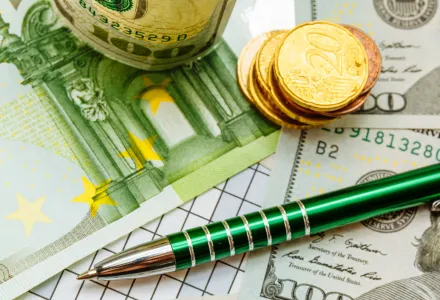
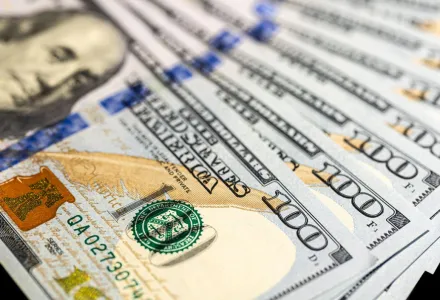
The dollar is showing gains for the second week in a row, while the euro and yen are at multi-month lows.
As part of the European integration process, the Ministry of Justice has planned for 2026 the implementation (transposition) of 97 European acts into the national legislation. The declared goal is “for Moldovan citizens to enjoy the same rights, opportunities and protection mechanisms as citizens of EU countries”.

Moldova has requested technical assistance from Romania to eliminate the consequences of the pollution of the Dniester River with oil products. Romania can provide specialized equipment and additional filters to purify the water and prevent further spread of pollution.

Danish Energy Minister Lars Ogor urged the country’s citizens not to get behind the wheel of a car unless absolutely necessary to save energy resources amid rising fuel prices.

The Agency for Medicines and Medical Devices (AMDM) has withdrawn two drugs used in eye surgery, Appavisk PFS and Appavisk Ophthalmic Surgical Solution, from the medical device market.

The release of strategic oil reserves by the G7 countries and the US has not yet led to a drop in fuel prices. Despite large-scale interventions, the cost of Brent oil continues to hold at around $100 per barrel.