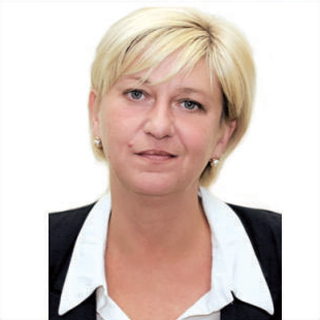

Eugeniu Osmochescu
Such figures are contained in a press release from the Ministry of Economic Development and Digitalization, despite the prohibition of making such data public before official statistics are available.
Minister Eugeniu Osmochescu summarized the activities of the ministry and prioritized the investment trend, talking about the annual GDP growth in 2025 before the official data.
The Ministry of Economic Development and Digitalization sets as priorities for 2026 the acceleration of EU accession negotiations and integration into the single market, as well as the attraction of investments, both foreign and local. Including investments from the diaspora.
The minister sees his tool for promoting reforms as “radical simplification of the relationship between entrepreneurs and the state.
Plans for the continuation of the initiated reforms
This year is designated as the year of acceleration of reforms and investments made last year.
“Growth was supported by positive developments in agriculture, construction, information technology, trade, energy, social services and the financial sector. A key indicator of economic consolidation is the 22% increase in investment, which has become the main driver of growth, as well as an increase in industrial production of almost 5%,” the ministry reports on the success of the economy last year.
“Our goal is to move from a consumption-based economy to one based on production, investment and innovation. The data clearly show that we are on the right track,” Deputy Prime Minister Eugeniu Osmochescu said.
What has been done?
The programs implemented through the Entrepreneurship Development Organization (ODA) have played an important role in supporting the business environment. During the reporting period, about 699 million lei in grants and tax incentives were provided to more than 3,100 companies, mostly aimed at modernizing production capacities.
Only thanks to 12 beneficiaries of state aid, investments worth more than 1 billion lei were attracted into the economy in three months. These measures directly contributed to the creation of 64,000 new jobs, while the number of employed people reached 856,000, the minister said.
He continued. Within the framework of debureaucratization and digitalization, the Ministry of Economic Development launched a large-scale process of reforming the permits. The deregulation package adopted in December 2025 affected 12 sectors and more than 200 economic activities, canceling or revising more than a hundred permits.
The expected effect on the business environment will amount to annual savings of approximately 265-267 million lei, with visible results starting from 2026.
The law on freelancers, which will enter into force on January 1, 2026, is a concrete example of the simplification of the relationship between the entrepreneur and the state, according to the deputy prime minister.
In just one month, almost 1,000 people have registered under this “fully digital tax system, which offers an easy way to enter the economic market and is designed to be a launching pad for larger businesses with employees, exports and investments.”
“The economic trends for 2025 and the goals set for 2026 reflect the government’s strategic direction to strengthen the national economy, stimulate investments and capitalize on the opportunities offered by Moldova’s European path”, Eugeniu Osmocescu is confident.


