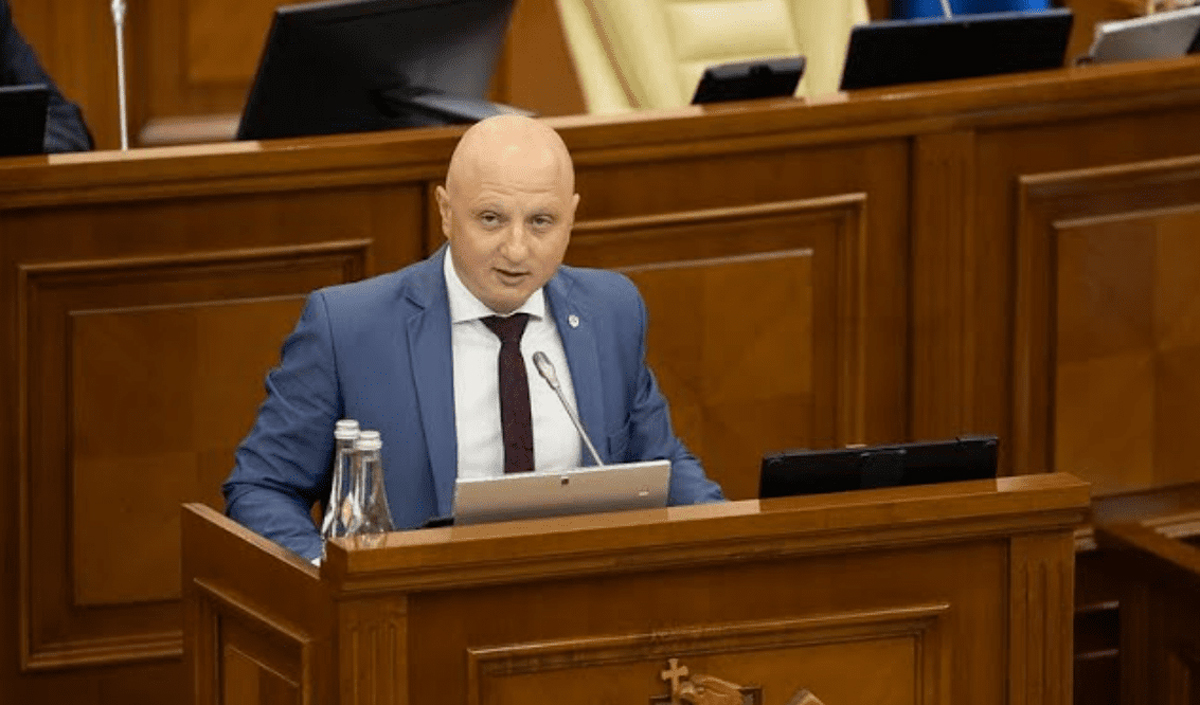

В Молдове дан старт добровольным пенсиям
This event launches the private pension savings market, which was previously virtually non-existent in the country, despite a number of previous unsuccessful attempts to introduce voluntary pensions in Moldova.
With the appearance of the first private pension fund, citizens have the opportunity to save for their old age on their own, in addition to the state pension. Contributions are exempt from taxation and will be capitalized to generate additional income in the future.
Until now, Moldova’s pension system relied solely on the state social insurance budget. With the launch of the first private fund, residents have an alternative for the formation of long-term savings under the supervision of the financial regulator, which approved the prospectus of the voluntary pension plan of the fund “ARAGONN”.
The NCFM also approved the investment company “BROKER M-D” SA as the depositary of the voluntary pension fund and the form and content of the individual agreement on joining the pension fund. The activities of the fund and its administrator will be strictly regulated and checked by the regulator for reliability of the applied investment instruments for capitalization of the fund’s assets.
Conditions of participation
To participate in the first voluntary pension fund in Moldova, it is necessary to conclude an individual agreement with the fund administrator, where the amount and schedule of contributions are fixed. The minimum contribution is 300 lei.
According to Roman Andronicus, Chairman of the Board of ARAGONN GRUP JSC, “there is no upper bar limiting the amount of contribution, but only 15% of the gross income received by the participant of the fund – the amount equal to his contribution will be exempt from income tax, provided it is invested in the future pension”.
The system does not limit citizens by age or income – participation is completely voluntary. It is possible to become a participant in the voluntary savings system independently (individual plan) or through an employer, if it offers a pension plan for its employees. The contribution can also be divided between the employee and the employer in accordance with the terms of an individual contract of adhesion.
Tax benefits and advantages
Moldovan legislation provides specific incentives for participants in voluntary pension funds. The main objective is to make private savings more profitable than simply keeping money on deposit.
From 2026, new tax deduction mechanisms are introduced in Moldova to incentivize private savings. Tax deductions are envisaged. The amounts of contributions paid to a voluntary fund can be deducted from the taxable income of the participant (within the limits established by law).
Benefits are introduced for employers. Companies that pay contributions on behalf of their employees are also entitled to tax deductions, which reduces their personnel costs.
These expenses are considered deductible for corporate income tax purposes. Compulsory social insurance contributions are not assessed on these amounts, which makes such “pension bonuses” more favorable for the employer than a simple salary increase.
Unlike the state system, the funds in a private fund are invested by the administrator, and the income received is distributed to the account of the depositor. The fund’s assets are kept separate from the administrator’s funds at an independent depository to ensure the safety of the funds if the administrator goes bankrupt. The fund is required to publish reports on where it invests money (government bonds, stocks, deposits) and what returns it shows.
“Depositors should know that the fund’s risk level is medium, so the overall share of low-risk assets in the fund’s total net asset value is 80-60%. Low-risk assets include government securities, securities admitted to trading on the regulated stock market, current and deposit accounts,” notes Roman Andronik.
Funds become available upon reaching the legal retirement age or in special cases (e.g., disability) stipulated by the fund’s rules.
What are you saving on?
Contributions to the voluntary fund are deductible from your annual taxable income. This means that no tax is charged on the amount of the contribution. In fact, the government “pays” you 12% of the contribution amount by refunding or not paying tax.
The total amount of contributions (yours and your employer’s for your benefit) that are exempt from tax is usually limited to a certain amount per year or percentage of annual income (the exact figures are set by the annual budget law). The maximum deduction limit in 2026 is 15% of annual income.
“Personal assets in each participant’s individual account are untraceable (they cannot be traced), and they cannot be subject to any enforcement action directly from the participant, the fund depositary, the administrator or the employer,” says Roman Andronicus.
Another important aspect to note is, according to the chairman of the fund’s board, that personal assets in a participant’s individual account are governed by the rules of inheritance law. In other words, in certain circumstances unfavorable to the participant, the assets in the personal account do not disappear with him, as in the case of the state pension, but are distributed among the heirs in accordance with the inheritance contract.
For employers, voluntary pensions can also represent an effective tool for employee motivation and human resource management. They have the opportunity to retain their high-performing employees by offering them incentives to pay contributions to a voluntary pension fund, for which tax deductions are available.