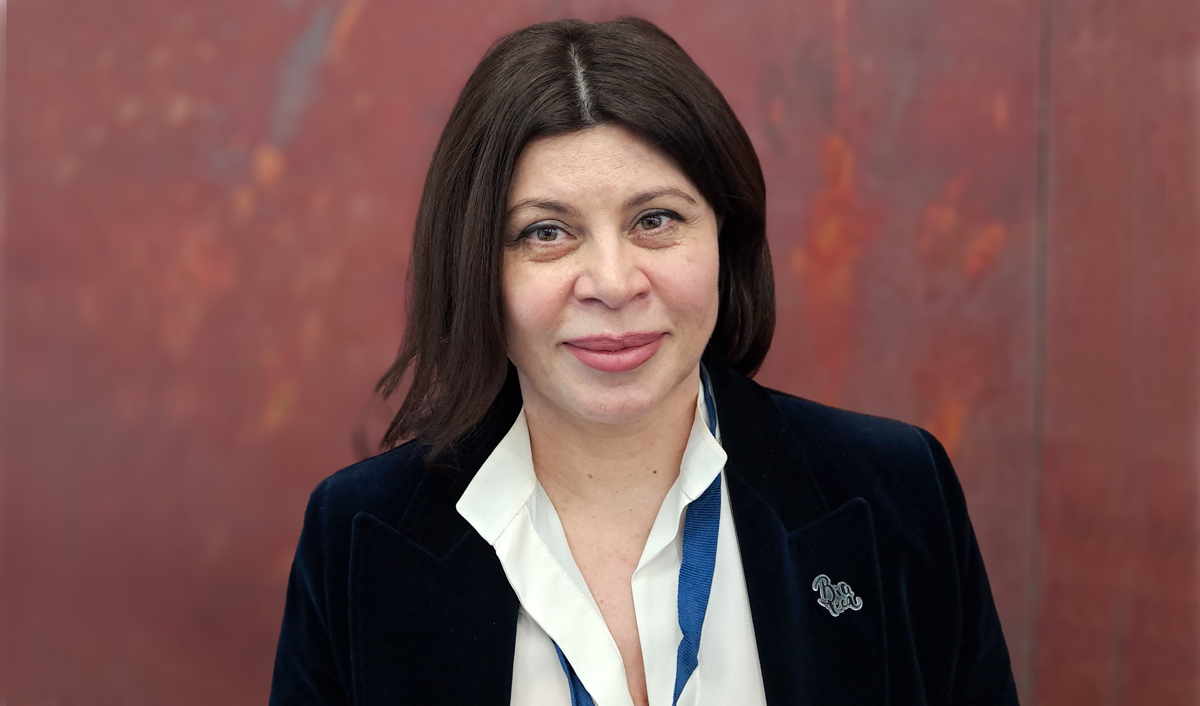

According to Natalia Calenic, Vice-President of the Chamber of Commerce and Industry (CCI), a significant part of entrepreneurs from the left bank is poorly familiarized with the current tax legislation of the Republic of Moldova and practically does not apply VAT and excise mechanisms. In this regard, in her opinion, systematic training and information “from scratch” for economic agents from the region is required.
Corina Alexa, state secretary of the Finance Ministry, said that the ministry is ready to be more actively involved in the process of informing businesses, including through the platform of the Chamber of Commerce and Industry.
“We want the implementation of the unified tax policy of the Republic of Moldova to be simple, clear and easily applicable,” Alexa said.
Ludmila Primochenko, financial director of the Intercenter-Lux company, drew attention to possible risks for businesses in case of import VAT on raw materials. According to her, companies operating in the export-oriented segment may face a serious burden.
“The introduction of import VAT on raw materials, which we receive (we then have 90% of exports from these raw materials), for us initially will be a very crippling burden – these 20%, because they will have to be paid immediately upon importation of goods. It will be very unaffordable. We can ruin enterprises, good enterprises,” Primochenko said.
The issue of reimbursement
She also raised the issue of VAT refund mechanism and the use of already accumulated amounts.
“We are very interested in where and how it will be refunded. Since our enterprise is registered on a permanent basis, every month we submit a VAT report. Over the years, we have VAT accumulated in favor of the enterprise. We understand that we are not being reimbursed it because somewhere there are exemptions for our businesses. Since it will be a very unaffordable amount for us, we would like to know this mechanism for the future and include it: so that the accumulated VAT that we have today – up to 1 million lei – would also participate in this netting, if we come to this consensus,” said the financial director of the company “Intercenter-lux.
She expressed confidence that “some mutual understanding will be found after all”.
According to the data of the Ministry of Finance, the volume of the state’s accumulated VAT debt to economic agents amounts to about 11 billion lei. Finance Ministry State Secretary Corina Alexa said that the ministry is considering the option of reconceptualizing the VAT system and its refund mechanism.
“The final formalization of this mechanism will be presented after the completion of the draft policy for 2027. The idea is that if you pay a VAT liability, you have the right to refund it – at the moment this is mainly possible through the export mechanism. With the implementation of the new policy, the Ministry of Finance plans to make VAT refunds financially possible starting January 1, 2027, for transactions from that period. At the same time, the Finance Ministry is facing the task of elaborating an additional instrument – probably gradual and phased, depending on the economic sectors – to settle the historical debt of 11 billion lei,” the state secretary said.
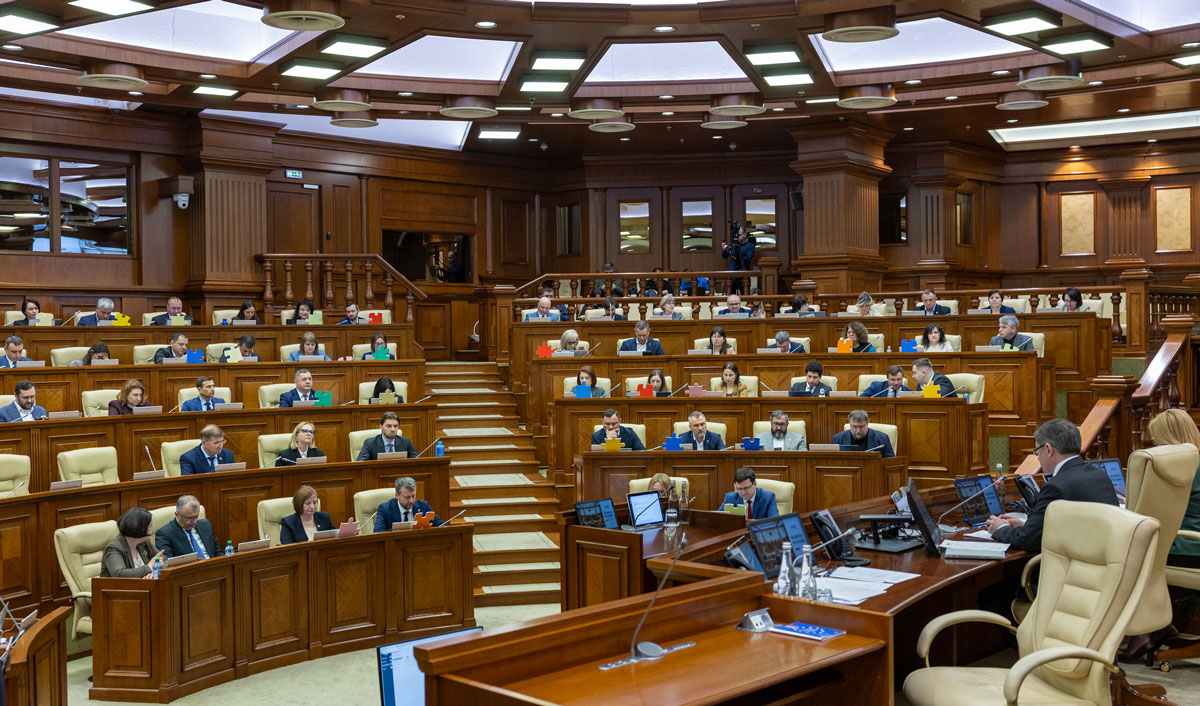
We shall remind you that the parliament adopted in the first reading a draft law on the phased abolition of tax exemptions for imports and supplies of goods and services to the Transnistrian region. Earlier, the president of the Chamber of Commerce and Industry, Sergiu Harea, spoke about probable problems in the implementation of the draft law. In particular, he noted that there is no VAT in the Tax Code in the region, the turnover tax is in force.
“It is necessary to hold additional consultations with the locals to avoid the situation when entrepreneurs do not understand how to work with the new system,” Harya said at the Cabinet meeting.