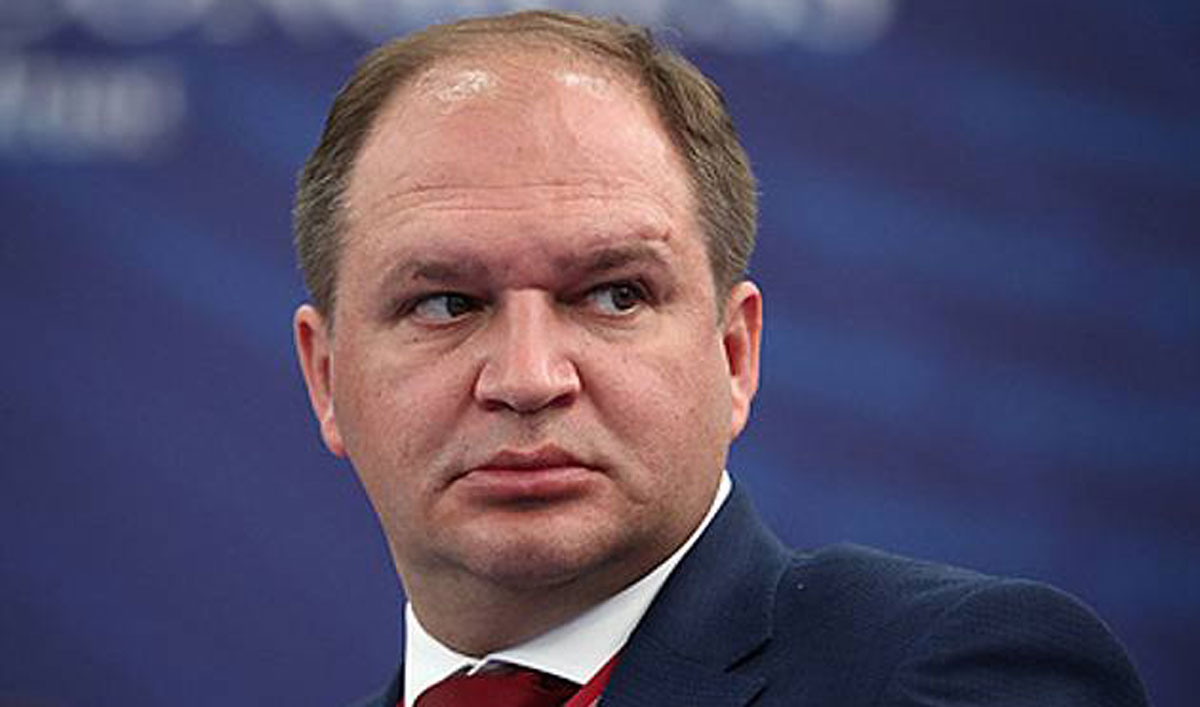
Valeriu Chitan, economist, former Minister of Finance of the Republic of Moldova
In an interview with INFOTAG, he said that VAT as such is the lowest tax payment in the state in terms of collection.
“Therefore, judging from the point of view of collecting this type of tax to the state treasury, this decision is not very rational,” Kitsan believes, drawing attention to such a circumstance as the possibility of “overestimation” and “underestimation” of the value of a car, which plays a fundamentally important role in determining the amount of VAT to be paid.
The former finance minister recalled the events of 1994-1997, when there was a heated discussion in Moldova about the expediency of introducing VAT on car imports and setting its amount.
“At that time, many people agreed with my proposal to establish one indirect tax in the form of excise duty, the amount of which depends on the engine power of the car imported into the country. I believe that from the point of view of better filling the state budget by importing cars to Moldova, it will be much more expedient to leave the excise tax on car imports,” the former minister emphasized.
He believes that if we are talking about increasing the state treasury revenues through this type of imports, it is much easier, more efficient and effective to raise the excise tax on car imports.
The authorities are talking about abandoning the excise tax on cars in favor of introducing a standard VAT. The Ministry of Finance claims that the introduction of a 20% VAT on cars is “an adjustment of the legislation to European norms”. According to an earlier agreement, VAT is expected to be introduced from January 1, 2026.