
The draft is being finalized by the Ministry of Finance and will be released for public consultation in April, most likely after the Easter holidays.
The key innovations of the document were presented on March 30 during the annual conference on tax and customs policy changes that will enter into force in 2026, as well as those being prepared for implementation in 2027, in the context of preparations for Moldova’s accession to the EU.
Main innovations
The Government intends to permanently introduce a basic zero corporate income tax rate. And to establish the obligation to pay tax only in case of its distribution or payment in the form of dividends. This may also include the taxation of expenses on loans or credits. In these cases, the rate may be set at 20%.
Another upcoming innovation is the reduction of the number of existing tax regimes from 15 to 3. One of them is the basic one, with a zero rate of profit tax on reinvestment and 20% taxation on its distribution.
The second regime is being developed for individuals engaged in entrepreneurial activities, who presumably will pay 12% tax on income.
Preferential regimes will become unnecessary
If a basic tax regime with a zero income tax rate is introduced, there will be no need for preferential regimes for free economic zones, IT parks, etc.,” said Corina Alexa, state secretary at the Ministry of Finance. And another regime is expected to be developed for micro-enterprises. In case they do not want to work under the standard regime because they keep simplified accounting. We will organize discussions with all stakeholders. And we will make decisions based on the opinion of business representatives.
Unified payroll tax
Revision of the legislation is also planned for the so-called “salary” taxes.
“Today, income tax is levied on wages, as well as contributions to social and medical funds,” continues Corina Alexa. – We propose to combine them, so that the tax service itself decides what share of this single tax to send to the state budget, and what – to the budget of state social insurance and medical insurance funds. We believe that the rate should not exceed 35%. Personal income tax exemption will remain, but it will be calculated differently. It will be a cashback returned to the employee through personal exemption”.
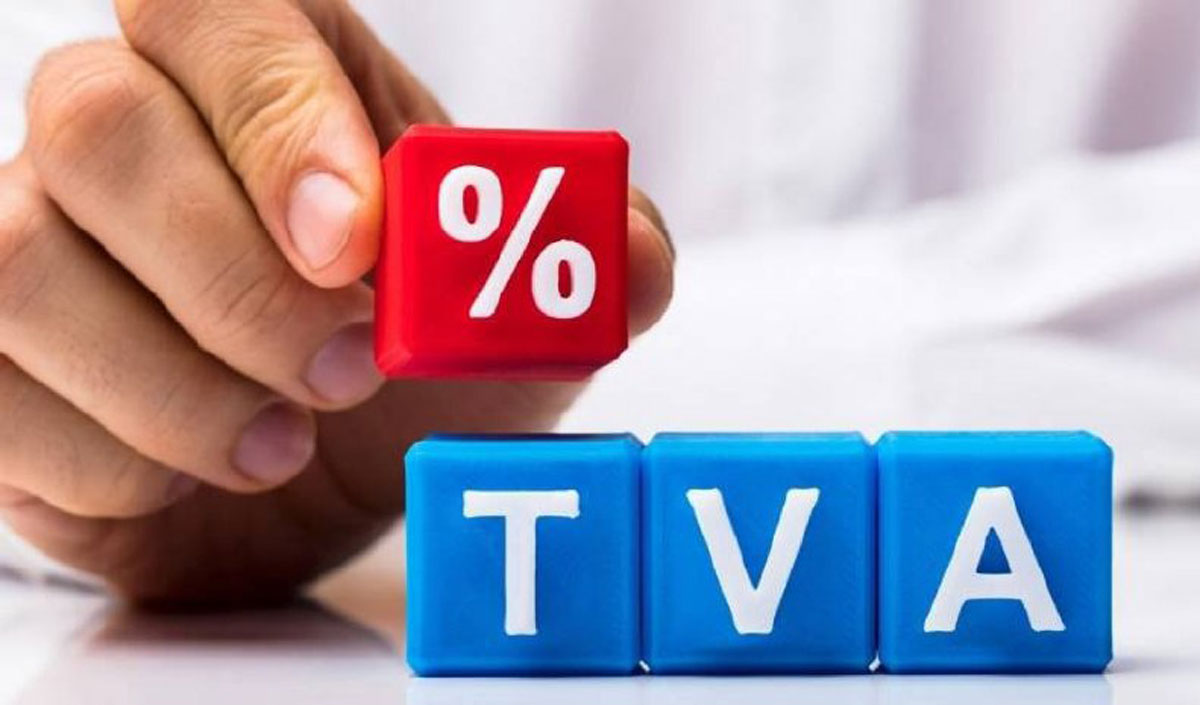
It is planned to introduce a single rate for VAT. Its size is discussed between 15% and 20%. At the same time, the reduced VAT rate will be canceled, but there will be exemptions, which Moldova is obliged to keep in the context of the current European directive.