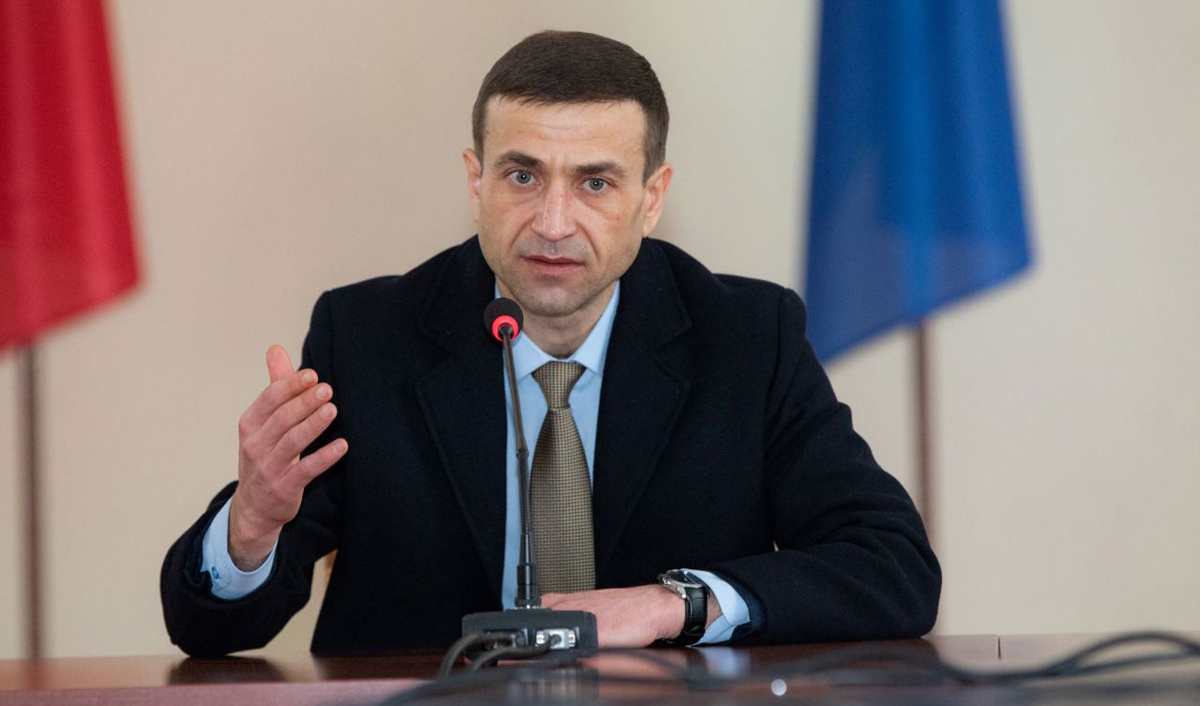

“These are not just capital investments, they are restoration projects, and in the process of technical implementation of interventions in buildings, problems may be revealed that require changes in the project, additional approval, and then it is impossible to implement the project within 3 years. …Let’s revise the legal framework so that the budget planning framework for the restoration of buildings with monument status, such as the Kligman House, the Hertz House, the building on Bodoni 14, have at least a five-year period,” said Alina Ostapov, head of the Cultural Heritage Department of the Ministry of Culture at the hearings in the Parliamentary Commission for Control over Public Finance.
Breaking the “vicious circle”
Earlier, the 15-million-lei project for the restoration of the B building of the National History Museum was delayed due to financial and organizational difficulties: part of the works worth 2.64 million lei was paid for but not actually carried out, while the project was amended without the necessary approval. As a result, the real works started only in 2025, although they were paid for in 2022.
The representative of the Ministry of Culture emphasized that the current procedure often leads to a “vicious circle”: the state finances the development of the project, but if the implementation is delayed, the project has to be developed anew – from the feasibility study to the working documentation.
According to Adrian Lebedinski, chairman of the commission for control over public finances, there are no legislative obstacles to changing the term of budget planning, and the issues can be coordinated jointly with the Ministry of Finance.