
Yesterday’s decisions (Government Resolution 127/2026 and Government Resolution 38/2026) laid down the general legal framework, and the resolution approved today establishes the necessary operational levers to protect the energy security of the country and our citizens.
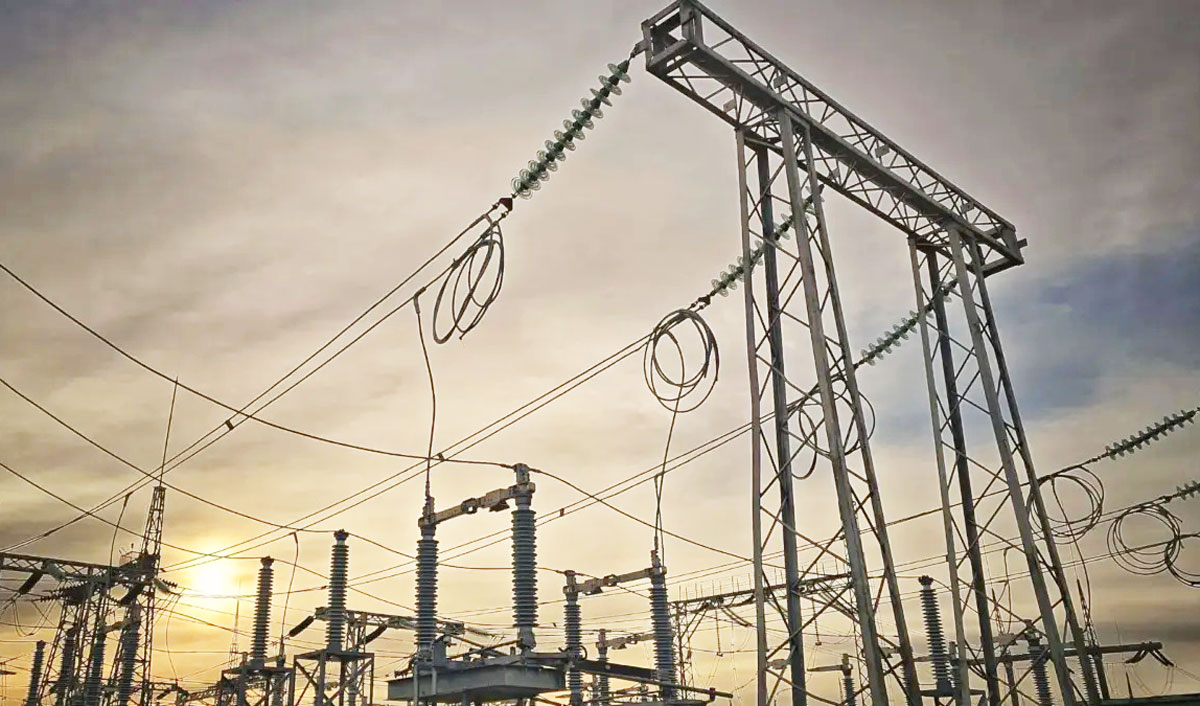
Unfortunately, due to circumstances beyond the control of government agencies, the situation is critical. In the context of Russia’s military attacks on infrastructure in southern Ukraine, the 400 kV Vulcanesti-Isakcea power transmission line is inaccessible. As a result of Russian attacks on the territory of Ukraine, technical incidents have occurred, creating an immediate risk of power shortages estimated at 350-400 MW during peak hours.
Moreover, the unstable international environment, characterized by tensions in the Gulf region and the need to keep regional refineries operating, requires strict precautionary measures in the oil products sector to avoid any disruption of supply to the domestic market.
Therefore, the adopted decree, in order to avoid a legal vacuum, on the one hand, is a transposition of the provisions previously adopted under the state of emergency in the energy sector, and on the other hand, establishes a set of urgent and proportionate measures structured along several main lines:
- Prioritizing and ensuring energy supply: The document clearly states that health institutions, critical infrastructure and vulnerable groups of population have absolute priority in energy supply. At the same time, the operator Moldelectrica will stop exporting electricity during peak hours (17:00-21:00 CET) in order to channel available resources to domestic consumption.
- Reduction of non-critical consumption: The Government requests the administrators of public and commercial buildings to reduce internal lighting by at least 30%, to turn off shop windows and advertising lighting, and to limit the use of escalators during peak hours. In addition, economic operators whose production processes consume large amounts of electricity, such as the use of electric furnaces, electric arc welders or smelters, are urged to rearrange their work schedules outside of peak consumption periods.
- Ensuring fuel stocks: The Customs Service will continue to strictly control exports from the Giurgiulesti International Port, authorizing the export of petroleum products only if stocks exceed the allowable limits. At the retail level, the sale of diesel fuel through petrol stations is allowed, including the sale in containers with a maximum of 20 liters.
- The authorities are building domestic response capacity by facilitating the rapid installation of storage and generation systems through exemption from permissive construction acts such as building permits and town planning certificates. This will simplify and de-bureaucratize the process of connecting power generation facilities for permit holders to ramp up alternative energy generation capacity as quickly as possible. Thermal power plants will be able to produce more electricity with a guarantee to cover all necessary costs, including process losses, without sanctions during the state of emergency.
- The necessary legal leverage for immediate technical intervention will be provided: Moldelectrica can resort to a procurement procedure through direct negotiations. In this way, technical teams can quickly obtain the necessary emergency equipment to avoid power outages during peak hours and eliminate the risk of serious imbalances in the power system.
These measures are necessary to prevent uncontrolled outages, maintain the functioning of the state and protect citizens by preventing a major energy crisis.
The National Crisis Management Center (CNMC) acts as the coordinator at the national level and the Ministry of Energy is the sectoral body responsible for crisis management and direct communication with citizens, the Moldovan government decree said.