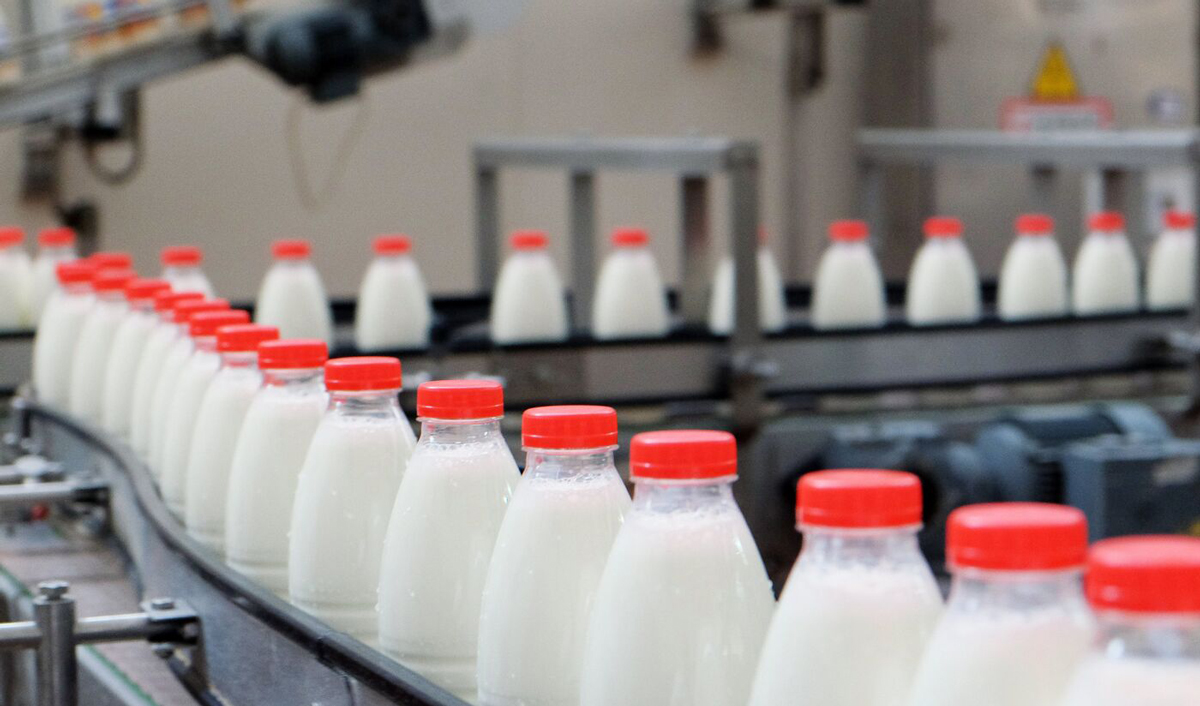

The essence of this project, at first glance, is simple. In 2027, Moldova plans to launch a pledge system for packaging (SDA), which will allow citizens to surrender glass, plastic and metal packaging and receive 2 lei for each unit.
The law provides for the creation of a single administrator of the deposit system with rather broad powers. It should be a non-governmental, non-profit organization, formed by associations of producers and retailers and selected by the state on a competitive basis. The procedure of its selection looks transparent: associations prepare packages of documents and submit it to the Ministry of Environment by January 23. A mandatory condition for the application is that the competing association must cover 3/5 of the market for beverages falling under the SDA placed on the market in 2024.
One of the applications was submitted by the Eco-Ret Moldova Association, which includes three associations: the largest beer producers and importers Efes Moldova and Carlsberg; water producers and importers Rusnac-MoldAqua and Gelibert, AquaTrade and Coca-Cola. On the merchant side, the structure was joined by an association created by a large Moldovan retailer Imensitate (it owns the Locals, Bonus, Foxi and Primul chains located throughout the country) and Mezprod SRL.
Who finances container collection
According to the law of the Republic of Moldova, the producers must finance the new system. They are the ones who create the whole mechanism of SDA with the launch of a large-scale infrastructure: sorting center, numbering, digital accounting, logistics, supply of equipment, etc. Stores with an area of more than 150 square meters are obliged to accept deposit containers, to ensure the placement of taromats or manual acceptance of bottles if the sales area is less than 150 square meters.
But it is up to the Packaging Deposit Administrator (SDA) to organize all this. This also means additional logistics, personnel and equipment maintenance costs for retailers, and requires their full participation in the management of the system.
The process is complex, so the Eco-Ret Moldova Association spent a year developing a financial model, operational plan, communication and training programs. International consultants were and still are involved in the preparation, including a company with experience in implementing deposit systems in more than ten countries – OU Earth Care. As a reference point, a model close to the Lithuanian system was considered, which is considered to be one of the most efficient in Europe.
The objective is to create a transparent mechanism
The founders of Eco-Ret Moldova realize that their role is not limited to the collection of packaging: the task is to create a working and transparent mechanism, and to create it for the first time.
According to Eugeni Reshkovoy, representative of Rusnac-MoldAqua, the participation of producers is dictated not only by the law, but also by the desire to implement the best regional practices and avoid mistakes made in other countries. “We have observed this on the example of Romania, where the system has experienced several “restarts” due to miscalculations in volumes and logistics. There, the wrong mechanism led to a jump in the removal of packaging, disruptions in the supply of packaging materials and, as a result, a negative reaction from consumers. Therefore, our main conclusion is that the system should be launched only after accurate collection of market data and a clear calculation of operating and investment costs”.
Eco-Ret Moldova emphasizes that the collected packaging within SDA is not waste. It becomes raw material. Control over sorting, recycling and logistics means control over the resource. Each unit of packaging will have its own value – operational and investment. Possible errors at the modeling stage will inevitably fall on the final price of the product. For this reason, the key task is to develop an economically justified cost structure involving all participants in the process (manufacturers and retailers).
Therefore, producers believe that the market should consolidate around an economically efficient operator model. The law explicitly enshrines the extended responsibility of producers. This means that they should be the core of the system, but all market participants together with the consolidated group should also be actively involved in the process of preparing the system for launch, providing the necessary data and participating in the decision-making process. Otherwise, there may be institutional misunderstandings at the launch stage, which may slow down the project.
Not only ecology
The commercial community supports the idea. According to Vitaliy Sargeolyu, director of the legal department of Imensitate, retailers call the deposit system strategic both from the environmental point of view and in the context of European integration.
“To date, the deposit system is being implemented in many EU countries and the number of these countries is increasing every year. Retailers bear the operational burden – placement of taromats, storage, organization of space in stores, for automatic collection and manual collection in small communities. Our law requires that the operator be created with the participation of producers supplying at least 3/5 of the turnover of beverages participating in the deposit system. The Eco-Ret Moldova Association has already reached this threshold and meets the legal requirements. Therefore, we thought it was right and logical to join it and jointly develop the necessary documentation and vision of the system”.
Ludmila Andronic, representative of Efes Moldova, emphasized, in her turn, that “the creation of the system of packaging return and its administration by local producers and merchants is a key moment for the creation of a correct and transparent structure, in which its participants are directly interested in the effective planning of the whole process – installation of taromats, logistics, functioning of the counting center and sale of waste, without allowing costs, which then risk transforming into an increase in retail prices”.
Speaking of consumers, we note that the economic logic of the system is also based on their behavior. A deposit of 2 lei per unit of packaging becomes a tangible incentive. In case of regular consumption of beverages, we are talking about dozens of packs per week. In terms of a month, we are talking about hundreds of lei! These funds are either returned to the buyer or accumulated in the system.
The deposit motivates to return the container and not to throw it away. Unlike fines and administrative measures, which do not affect the behavior of the population, the deposit stimulates the participation of each buyer.
All these factors indicate that the issue of deposit packaging in Moldova goes beyond a purely environmental agenda. It is a question of creating and implementing a system of collection and management of packaging, which requires a clear distribution of powers, transparent rules of administration and a clear economic model for all market players.