
The Nordic countries now see the EU as an instrument of collective security amid the distancing of the United States, and their economic attractiveness may shift Brussels’ priorities. This could seriously move the problematic candidate countries in line to join the European Union.
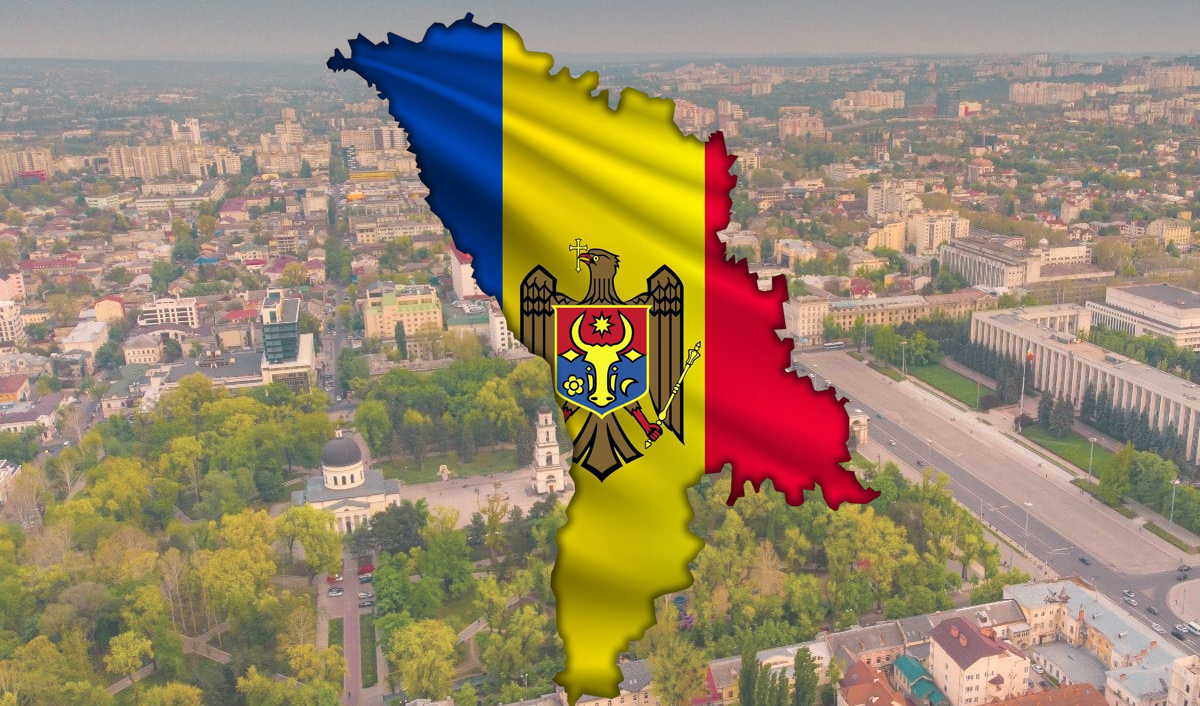
About it writes Politico with reference to a source from the EU. At the same time, journalists note that EU enlargement remains a complicated process. All new members since 2004 have been receiving more money from the EU budget than they contribute, and this trend is likely to continue for candidates, particularly Ukraine, Moldova, Albania, Serbia and Montenegro. This poses financial risks for current members.
Geopolitics can intervene
In addition, some EU governments doubt the stability of democratic institutions in the candidate countries.
“We don’t want another Hungary or Slovakia. We don’t know what will happen in these new countries in 10 to 15 years. And then we might be stuck with another Viktor Orban,” said one European diplomat.
Against this background, rich countries with established democracies, such as Iceland and Norway, have a better chance of quick accession.
“Of course it would be easier for Iceland or Norway to join. They are effectively 80 percent done already. If they want to join – and it’s up to them alone whether they want to join – it could happen very quickly,” another European official said.
Countries no longer want to join the EU because it will make them richer – now they want it because it will make them safer. As the postwar order crumbles and politicians question the reliability of the United States, wealthier countries like Iceland and Norway, which considered and rejected EU membership, are increasingly seeking Europe because of the security it offers.
NATO’s role is changing
NATO has one set of tools and the EU has another. And that’s why being part of the EU is important also from a security point of view for a country like Norway… We have reached a decisive point where EU membership is more important to us now in other aspects than before,” Norwegian Conservative leader Ine Eriksen Sjoreide told Politico.
The EU treaty also contains a mutual defense clause, Article 42.7, which has become more relevant amid recent incidents, notably the attack on a British base in Cyprus.
“It’s not a good time to be alone. Trump is changing everything,” the Norwegian official said.
Despite this, final decisions are still to come. Iceland and Norway could opt out of joining again, especially if geopolitical tensions subside. At the same time, candidate countries such as Ukraine or Montenegro could move faster if current EU members do not block enlargement.
Economic security
Diplomats said Trump’s decision to impose duties on imports, his administration’s national security strategy that accused the EU of accelerating the “destruction of civilization,” and his threat to seize Greenland – the territory of Denmark and a NATO ally – have all pushed countries closer to Brussels.
It looks like Iceland will be the first to start the process, as Reykjavik has accelerated the timeline for a referendum on reopening EU accession talks. “Part of the picture has to do with geopolitical instability,” Thorgerdur Foreign Minister Katrin Gunnarsdottir told Politico.
“We would be stronger in a larger group of like-minded countries that stand for democracy, freedom, human rights, territorial integrity. Not to mention the right of states to self-determination,” Torgerdur said. The attraction of joining the EU “is certainly defense and security, but also our economic security.”
The division between rich and poor
For current EU members, being accepted into the club of richer countries is far more attractive than accepting another group of poorer countries from the East.
All 13 countries that have joined the EU since 2004 still receive more funding than they contribute to the central budget. This is probably also the case for countries on the official waiting list, including Ukraine, Moldova, Albania, Montenegro, Serbia and Ukraine, as EU contributions are largely dependent on the size of a country’s economy.
These financial considerations mean that it will be difficult to convince current members, each of whom must give their consent, that these poorer countries should be admitted to the EU. Current members will receive an even smaller share of EU funds.
Also playing against this group of countries, the three diplomats said, is the fact that current member governments fear the strength and durability of their commitment to fundamental EU values such as freedom of the press, an impartial judiciary and other democratic freedoms.