
Interior Minister: Drug smuggling in Moldova is becoming more and more sophisticated
The dynamics of criminal cases related to drugs shows a constant increase: from 994 in 2023 to 1.347 in 2025, and 159 in the first month of this year. Thirty-six children were involved in the cases.
All delivery methods
Drugs are sold online and enter the Republic of Moldova both from the West and the East, through smuggling using regular passenger vehicles. They are disguised in parcels, hidden in household appliances, sometimes accompanied by couriers, sent by mail. During 2025, 50 cases of drug smuggling have been reported, with most of them through the mail.
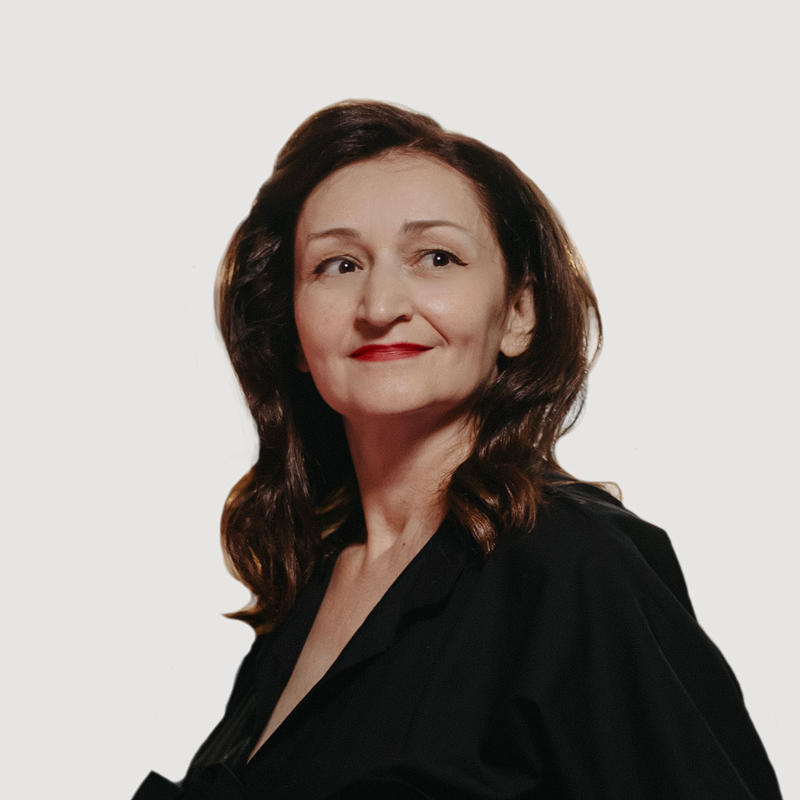
“The disguise methods are very creative. In recent seizures, synthetic drugs were found in tins, well sealed, with special devices that, when moved, mimic the sound of liquids in the tins,” said Interior Minister Daniela Misail-Nikitin.
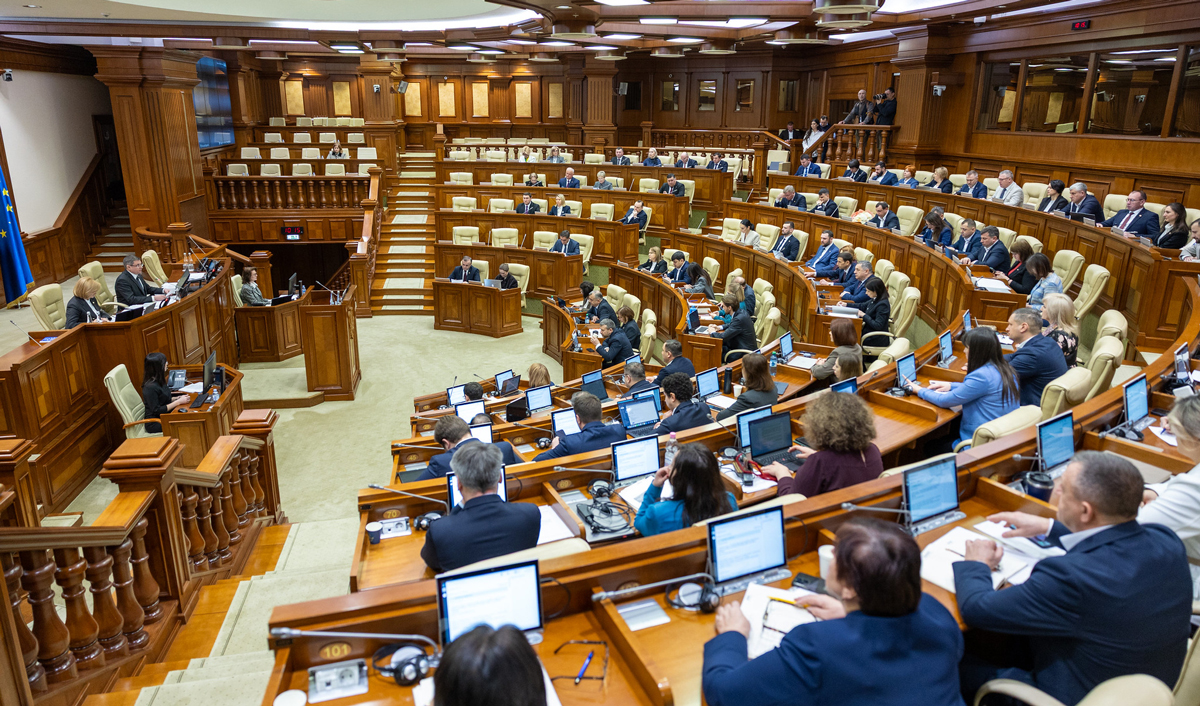
According to MP Volodymyr Odnostalko, “the spread and scale of the phenomenon, to put it mildly, indicate an oversight or that the authorities are not professional enough to intercept the flow of kilograms sold in the city.”
The minister noted that the increase in the number of crimes being solved is indicative of police proactivity, “The number of criminal cases registered since 2020 is on the rise. This shows how proactive the police and the Border Guard are in detecting such cases. The chemical composition of these substances is changing and traditional methods do not always identify them. Therefore, we are actively investing in both the technical and human components at the border.”
Most often drugs in Moldova are distributed via Telegram. More than 320 such channels were identified last year.
Is the death penalty necessary?
Among the plans of the Ministry of Internal Affairs is to speed up the process of developing a national drug policy and to prepare a draft law to strengthen the capacity to prevent and combat drug trafficking.
Asked how appropriate it would be to introduce the death penalty for particularly serious drug offenses, the minister said it was the prerogative of parliament to establish the severity.
“Yes, the measures should be stricter, yes, there should be stricter sanctions, including the exclusion of the possibility of paying a fine when it comes to the involvement or participation of minors in the sale or use of drugs. Some aggravating circumstances could be punishable by up to 20 years in prison. The parliamentary platform should discuss whether these measures are strict enough or whether they need to be further strengthened,” Misail-Nikitin said.
According to the information provided, not a single employee of the Ministry of Interior, Customs Service and the National Anti-Corruption Center is involved in a criminal case on drug trafficking for the period 2020-2025.
“I appeal to all those who are listening to us today: if you know of cases of involvement of employees of the system in possible corrupt practices or actions that call into question their integrity, they should be reported to the relevant authorities,” the Minister concluded.