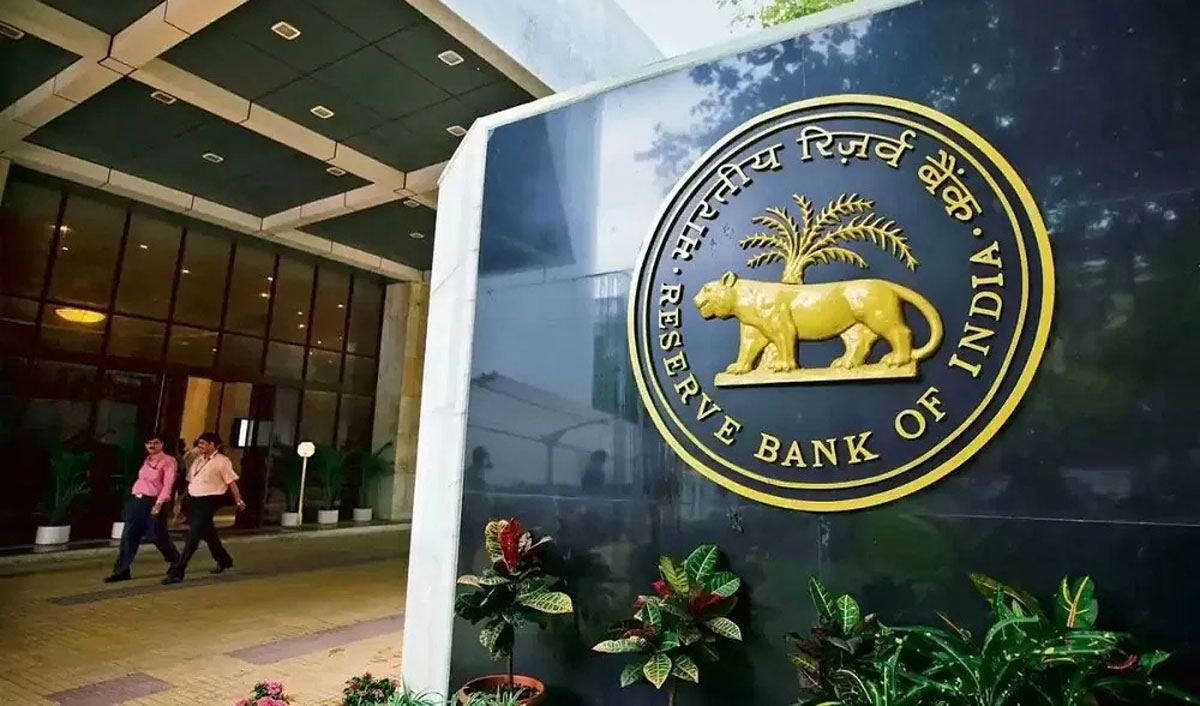

India's central bank has conducted a massive currency intervention to save the rupee
In an attempt to stop the fall of the Indian rupee amid rising oil prices and increasing geopolitical tensions, the Reserve Bank of India conducted a large-scale currency intervention. After the regulator’s intervention, the national currency strengthened, but analysts warn that the pressure on the market may persist.
The Indian rupee was under strong pressure in early March amid rising oil prices and increased investor demand for the dollar, specifies Reuters. During trading, the exchange rate fell to 92.305 rupees per dollar, one of the weakest levels in recent times.
A common practice
To stabilize the situation, Reserve Bank of India began actively selling dollars through state-owned banks. As a result of these actions, the rupee appreciated by about 0.64% to 91.57 rupees per dollar.
According to sources on the currency market, the central bank used so-called pre-market operations to influence the dynamics of trading even before the opening of the main session. This practice has been used in India before, but in recent months the regulator has used it much less frequently.
Economists attribute the fall of the rupee primarily to rising energy prices. India is one of the largest oil importers in the world, so any rise in fuel prices automatically increases pressure on the national currency.
Global trend
However, MUFG Bank foreign exchange analyst Lee Hardman said the current market situation reflects a broader global trend.
“Rising oil prices and increased geopolitical risks increase demand for the dollar and put pressure on the currencies of developing countries,” the expert emphasized.
According to analysts, Brent crude oil has been rising to around $83-84 per barrel in recent days, adding to concerns about rising inflation and India’s current account deficit.
At the same time, some experts believe that the regulator’s intervention may only temporarily stabilize the situation. ANZ Bank foreign exchange strategist Mahjabeen Zaman notes: “Central bank interventions usually help reduce short-term volatility, but fundamental factors – such as oil prices and global capital flows – continue to determine the long-term dynamics of currencies.”
Economists also warn that further escalation of geopolitical conflicts could increase pressure on emerging market currencies, including the Indian rupee.