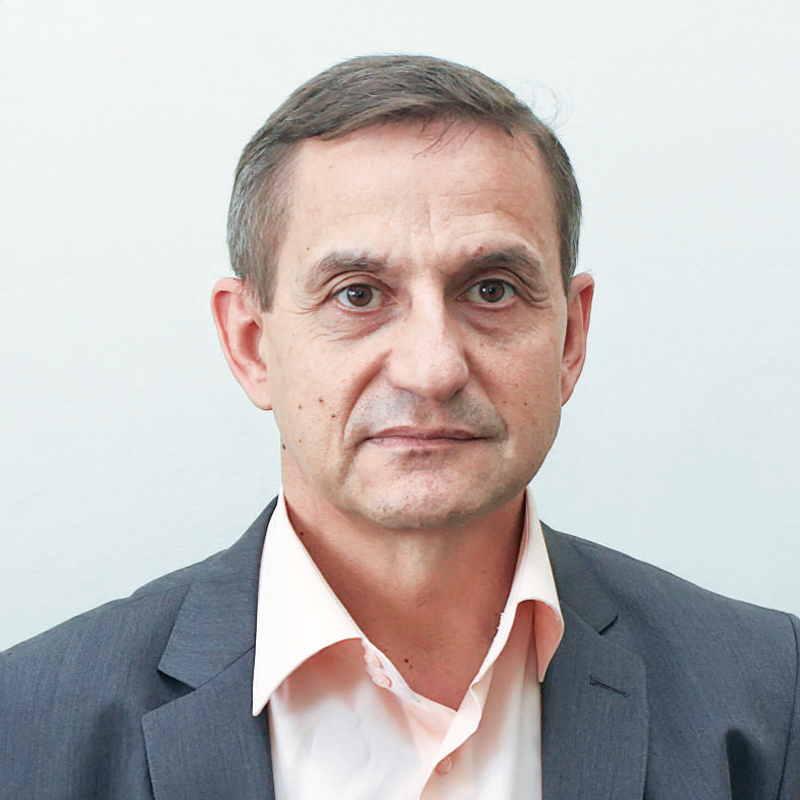

“Try out self-driving in a Tesla. It will greatly improve your quality of life and may save your life,” the billionaire wrote. “Try out self-driving in a Tesla. It will greatly improve your quality of life and may even save your life.”
With this statement, Musk actually makes two messages at once. On the one hand, he’s promoting Full Self-Driving (FSD) as a handy tool for everyday life. On the other, he claims that the technology can improve safety to a level that surpasses human driving. Such language reinforces the entrepreneur’s long-standing narrative that the era of full autonomous transportation is coming soon. At the same time, FSD remains a driver assistance system and requires constant monitoring of the steering wheel.
How users react
As is often the case with Musk’s posts, the audience’s reaction has been polarized – from delight to harsh criticism.
Supporters of the technology support the Tesla owner and share positive experiences. “Hard not to be excited about this,” one user wrote.
Others say that after using FSD, they don’t want to go back to normal driving – they see the system as a real technological advantage.
However, there are many skeptics, too, and they have a much harsher reaction. “Self driving doesn’t exist yet,” one responded. “He’s been making these promises for a decade,” writes another, referring to Musk.
Critics point out that the technology still requires constant driver monitoring, and claims of “saving lives” seem like over exaggeration. Some also express concern that such language may give users a false sense of security.
A separate group of comments come from Tesla owners with hands-on experience using FSD. They note that the system works confidently on highways, but in urban conditions it can behave unpredictably – from sharp maneuvers to mistakes in difficult traffic situations.
What the parties are guided by
Such a range of opinions and their polarization is understandable. And Musk may be deliberately fueling these discussions based on the simple rule “what is discussed sells better”.
At the same time, both sides can make a lot of arguments in favor of their position. Musk’s supporters tend to bet on technological progress and trust his long-term vision: they believe that even the current version of FSD already reduces the risk of accidents through automation.
Skeptics, on the other hand, rely on the gap between promises and reality, as well as known failures and investigations related to autopilot. For them, such claims are primarily a marketing element rather than a reflection of the current level of technology.
In this context, Musk’s new post was yet another reminder that the battle for the future of autonomous transportation is being fought not only in engineering labs, but also in the public arena. Loud statements continue to attract attention, but the audience reaction shows that trust in such promises is no longer unconditional.