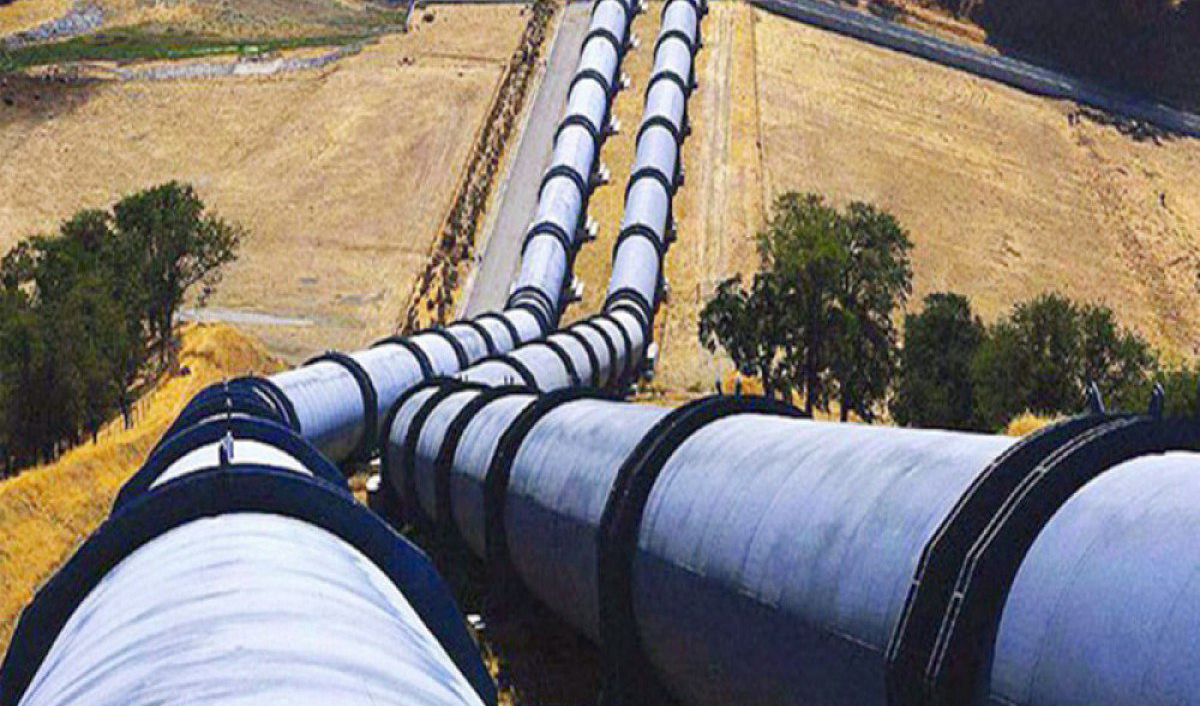

The agreement to speed up preparatory work was reached during a meeting between Hungarian Foreign Minister Peter Szijjártó and the head of the Serbian Ministry of Energy.
“The new transportation route will significantly increase the security of oil supplies to our countries,” the Hungarian minister wrote on social media, summarizing the talks.
The new pipeline, which is planned to be launched by 2027, will be a continuation of the diversification strategy started back in 2023, when the relevant memorandum was signed.
For Serbia, the project is not only an energy, but also a political insurance after Belgrade ran into problems due to sanctions against its NIS refinery. Vucic had previously personally lobbied for the work to be accelerated so that the Serbian economy would not become dependent on anyone else’s geopolitical games, runews24 wrote.
Where will the new branch line run?
It is about the construction of a branch line that will connect Hungary’s Aldio with Serbia’s Novi Sad, which will help to supply the Pancevo refinery with raw materials and reduce dependence on transit risks. While diplomatic disputes are ongoing, Hungary has already started to receive oil by an alternative route – through Croatia, but this way is more expensive and complicated.
The capacity of the branch line will be up to five million tons of oil per year, and on Hungarian territory it will be directly connected to Druzhba, which will allow to keep Russian oil supplies, but bypassing the unreliable transit.
The decision to speed up the project is directly related to the crisis around the Druzhba oil pipeline. Since early February, Kiev has suspended the pumping of Russian oil to Hungary and Slovakia, claiming technical problems.