
Bulgaria's Bessa Valley Winery brings Eastern Europe into the premium winemaking segment
The flagship of the new image is Bessa Valley Winery, which has seen double-digit export growth and scores above 90 points from international critics, notes the renowned wine magazine Decanter.
From “bulk” to Bordeaux style
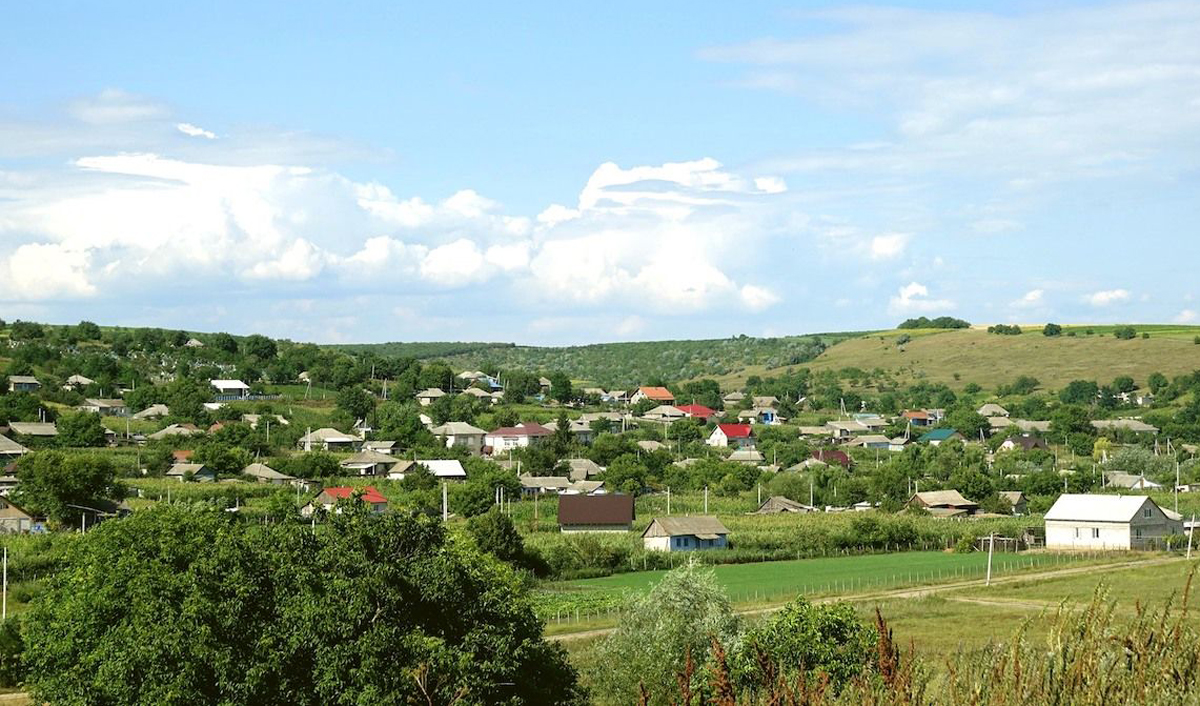
The Bessa Valley winery is located in the Thracian lowlands, one of the most promising terroirs in the country. The project was created with a team focused on the Bordeaux model of blends and strict yield control – no more than 35-40 hectoliters per hectare, almost half the regional average.
“We originally built the winery as a premium project, not as a volume exporter,” said managing director Yordan Yordanov, CEO of Bessa Valley Winery.
According to the company, export shipments grew by more than 18% between 2025 and 2026. The key markets are Germany, the UK and the Benelux countries. The average export bottle price has exceeded €14, which puts the brand in a segment dominated by Bordeaux farms.
International recognition has strengthened the brand’s position: the flagship wines Enira Reserve and Grande Cuvée receive 91-94 points from critics, including scores from Decanter magazine. “Bulgaria is no longer associated with mass-produced wine. We see a steady increase in quality and ambition,” noted Decanter columnist Stephen Brook.
Investment and climate as an advantage factor
In recent years, Bessa Valley has invested in cellar modernization, French barriques and digital fermentation monitoring. The total investment in infrastructure is estimated by market participants at several million euros.
The climatic factor also plays to Bulgaria’s advantage: warmer and drier seasons allow for stable phenolic maturity of Cabernet Sauvignon and Merlot, varieties traditionally sensitive to weather fluctuations.
Against the backdrop of stagnant consumption in Western Europe, it is these “new old” regions that are becoming a point of growth.
Bulgaria still has a modest share of the global market. But the example of Bessa Valley demonstrates that Eastern Europe is capable of competing in the premium segment – not by price, but by quality and systematic strategy.
For investors and distributors, this is a signal: the geography of the wine elite is gradually expanding.