
At Mobile World Congress, Korea's SK Telecom unveiled an "AI-centric" growth strategy
As the company emphasized, these changes go beyond simply adding new AI tools. They include rewriting internal systems, expanding data center capacity to gigawatt scale, and upgrading its own big language model to more than a trillion parameters, notes AI-news publication.
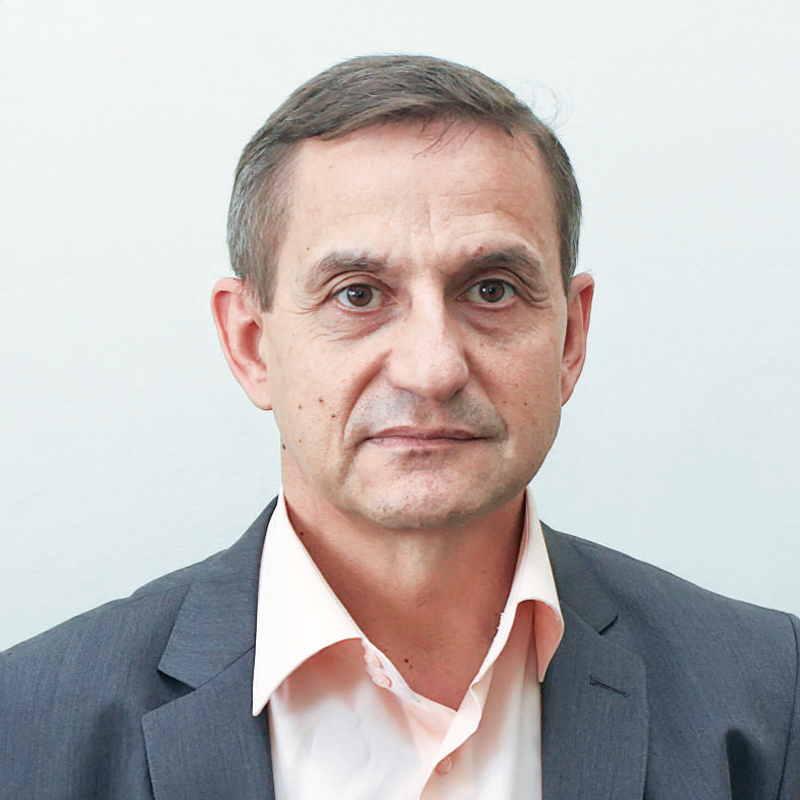
At a press conference during MWC 2026, SK Telecom CEO Jeong Jae-hoon outlined a strategy the company calls “AI-centric.” The plan focuses on infrastructure reorganization and major investments so that the company can help Korea rank among the world’s top three AI powers.
Tariff plans tailored to each customer
At the heart of the plan is the redesign of SK Telecom’s integrated IT systems. The company said it is redesigning its sales, line management and billing systems to optimize them for AI. The aim is to allow the operator to develop and offer personalized tariff plans and subscriptions based on each customer’s usage patterns and behavior.
The company also plans to implement zero-trust security across all of its systems. This will include stronger authentication, access control, network segmentation and AI-based monitoring, according to the company’s briefing at MWC 2026.
SK Telecom is also expanding its “autonomous network operations” strategy. The company said it will use AI to automate wireless quality management, traffic management and network equipment operations. With AI-RAN technology, it aims to improve speed and reduce latency. These efforts were described in the company’s materials presented during the press conference.
Another part of the strategy focuses on customer interaction. SK Telecom plans to redesign pricing, roaming and member services to make them simpler and more automated.
The company said the agent will analyze daily usage patterns and offer personalized recommendations across all channels. It also plans to expand its AI-enabled contact center so that customer service representatives can use AI tools during support calls.
Offline retailers are also part of this transition. SK Telecom said AI will help staff identify customer needs and offer recommendations after a store visit. The company is also creating “AI personas” to analyze digital behavior across different customer segments and support conversational Q&A.
Investments in infrastructure
Infrastructure development is equally ambitious. SK Telecom said it will build hyperscale data centers for AI across Korea, targeting capacity in excess of 1 gigawatt. The goal is to attract global investment and position the country as a major hub for AI data centers in Asia.
The company already operates a GPU cluster called Haein and last year applied its Petasus AI Cloud virtualization solution to support GPU-as-a-service workloads. It now plans to offer this cloud solution globally.
According to SK Telecom’s announcement at MWC 2026, the company also plans to build an AI data center in the southwestern region of Korea in collaboration with OpenAI.
CEO Jeong introduced the development of the data center and model on a national scale. “An automated data center can be seen as the heart of Korea, and hyperscale LLM systems can be seen as the brain,” he said. – By combining SKT’s AI capabilities with collaboration with domestic and global partners, we will lead a true AI-centered transformation for Korean customers and enterprises.”