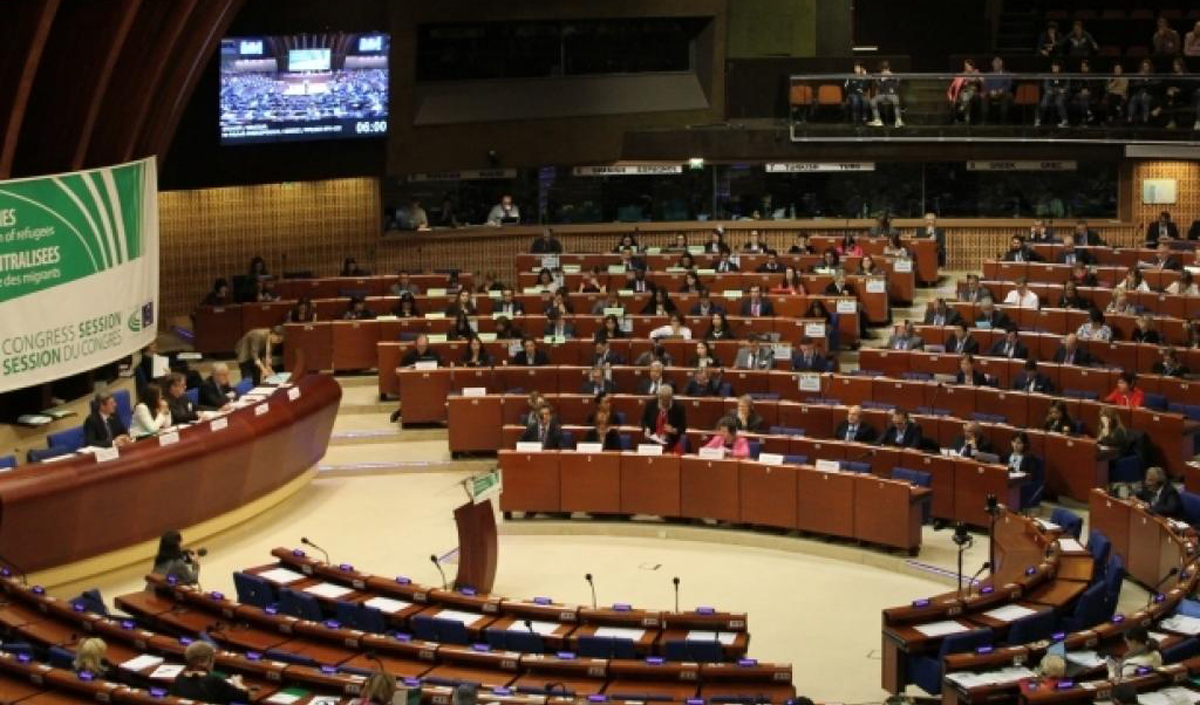

Alain Berset, Secretary General of the Council of Europe, noted that around the world, more and more people feel that the system is failing and this creates a sense of insecurity.
“It is precisely this challenge that we must respond to for the sake of our citizens. Wages are not enough, housing costs are rising. Access to health care is becoming more difficult, many children are growing up in poverty. We must act together to find solutions to these problems,” said the Secretary General of the Council of Europe.
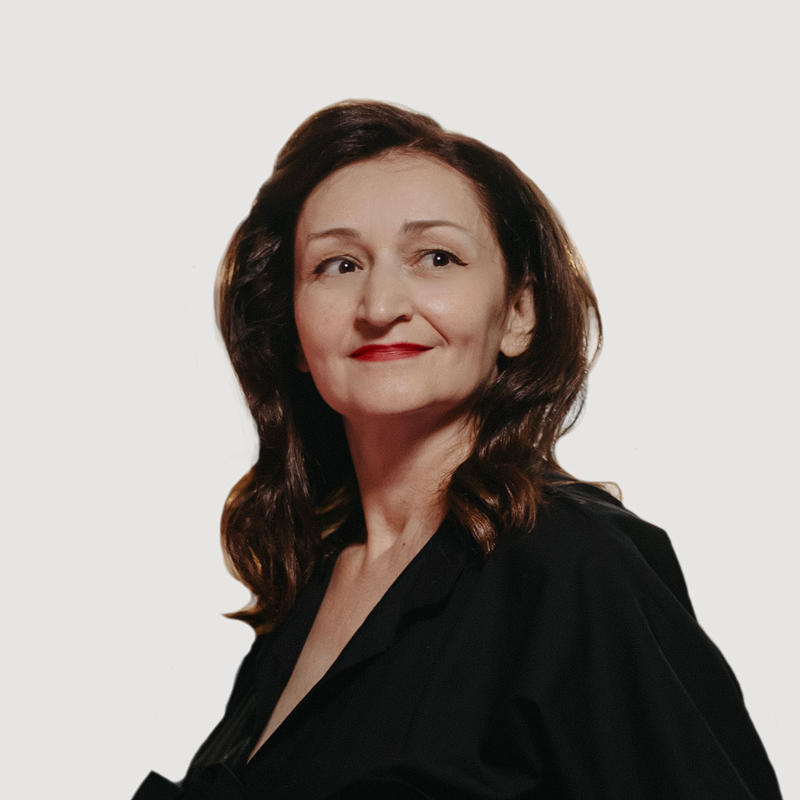
Petra Bair, President of the Parliamentary Assembly of the Council of Europe, cited the experience of Vienna, where the state has managed to curb price increases, as an example of a successful solution to the problem of limited access to housing.
“Today, social rights are under pressure. Across Europe, growing inequalities, the cost of living crisis and increasing instability are undermining confidence in our democratic systems and institutions,” said Bayr.
She emphasized the need to strengthen Member States’ investments in affordable social housing:
“…And treat housing as a key element of social stability and human dignity. The house a person lives in is like a second skin. Vienna is a global model for affordable housing, and I am proud to be from Vienna, which has been able to contain rising housing prices in the private market”.
In her view, social rights are not just an element of democracy, but its fundamental basis.
Mark Koels, President of the Congress of Local and Regional Authorities of the Council of Europe, emphasized the challenges and opportunities of digital transformation.
“Today, another dimension must be taken into account – the development of technology, digital transformation, artificial intelligence, automation and the platform economy, which are redefining the labor market, public services and social interactions. These changes offer significant opportunities but also carry risks, especially in the form of the digital divide and the exclusion of certain territories,” said Koels.
In his view, local communities play a strategic role in these transitions – for professional retraining, ensuring equitable access to digital infrastructure, protecting citizens’ rights and ensuring that innovation serves inclusion and not the other way around.
As a reminder, within the framework of Moldova’s chairmanship of the Committee of Ministers of the Council of Europe, the High-Level Conference on Social Rights “European Social Charter” is taking place in Chisinau on March 18-19.
The Conference in Chisinau is attended by ministers and high-level officials responsible for social rights and social policy, leaders of the Council of Europe, representatives of the institutions of the European Union, the United Nations and the International Labour Organization, as well as representatives of civil society, social partners, academia, national human rights organizations, equality bodies and their European networks.