We have experienced similar eras before. Across the Global South, the pursuit of oil, diamonds, timber, minerals and other resources has distorted domestic governance and entrenched asymmetrical power relations that have too often left producing countries poorer, more disconnected and more indebted than before.
Today, as the world rushes to secure the minerals needed for clean energy, digital technology, artificial intelligence and defense, we are entering another such era – one that holds both great promise and grave danger.
The transition to clean energy has accelerated
But this time the speed and scale of change is different. The transition away from fossil fuels is no longer a distant goal; it is already well underway and gaining momentum. In 2025, global investment in clean energy was double that in oil, gas and coal. While oil and gas are still part of the energy mix and support government revenues in many economies, the energy transition is accelerating.
This transition depends on critical minerals, and demand for them is growing. According to current projections and annual consumption models, lithium demand could increase fivefold by 2040, graphite and nickel demand could double, cobalt and rare earth element demand could increase by more than 50 percent, and copper demand could increase by nearly a third. These forecasts drive current investment decisions, trade policies and diplomatic strategies.
Nevertheless, more attention needs to be paid to improving energy efficiency and supporting innovation in energy production, processing and conservation. The global mineral supply chain remains highly concentrated. The DRC produces about 70% of the world’s cobalt and Indonesia produces almost 60% of the world’s nickel.
Processing is even more concentrated. China holds an average 70% market share of 19 of the 20 minerals deemed strategic by the International Energy Agency, and its role continues to grow. In recent years, China has accounted for much of the growth in refined cobalt, graphite, rare earth elements and other minerals. This concentration has increased geopolitical competition and concerns about supply chain vulnerability, which in turn is changing the way governments approach energy security and industrial policy.
In response, countries are seeking to secure access through bilateral agreements and strategic partnerships, which are often negotiated in haste and in secret. When contracts are signed behind closed doors, citizens cannot see the terms on which their resources are transferred, and environmental and social costs are often treated as secondary concerns. We know from experience what this can lead to: corruption, conflict, environmental damage and the accumulation of unaccountable wealth.
Managing wealth well
Poor management of natural resources has long undermined development. Too often, mining enriches a few individuals while entire communities are left homeless, ecosystems are degraded and governments are saddled with debt. The rhetoric may have changed with the shift from oil to lithium and from pipelines to batteries, but the risks remain depressingly familiar. The current race for essential minerals could easily replicate the same injustices under a green flag.
But such an outcome is not inevitable. If properly managed, mineral wealth can be a driver of transformation, bringing revenue to the public purse, helping to diversify the economy and financing investment in infrastructure, education and health. But this requires a decisive break with past practices, and transparency is a good place to start.
Transparency is not an optional enhancement or bureaucratic overkill. It is a cornerstone of good governance. Citizens have a right to know how their resources are being developed, who is making profits, what taxes are being paid, and how revenues are being managed. Public scrutiny of contracts, company ownership and financial conditions is one of the most effective safeguards against abuse and mismanagement.
Participation is also essential. Women, youth, indigenous peoples and affected communities must have a voice in decisions that affect their land, livelihoods and future. Protections must be preserved for journalists, activists and civil society organizations that can hold governments and companies to account, thereby ensuring that resource wealth is turned into shared prosperity.
There are proven models for success in this area. For more than two decades, the Extractive Industries Transparency Initiative has demonstrated that openness and accountability are possible even in challenging political environments. Today, 55 countries adhere to the global standards developed by the Initiative for the extractive sector and work with companies and civil society groups. This approach now needs to be expanded and adapted specifically for critical minerals.
These resources are not just raw materials for the energy transition. They are strategic assets that determine geopolitics, investment flows and the future of development. Global cooperation is urgently needed in this area. Government leaders must demand and apply the highest standards of ethical governance and transparency if a new era of competition for resources is to bring fairness, accountability and long-term public benefit.
We have a choice. We can repeat the mistakes of the past, or we can ensure that economies where mining contributes to growth also support peace, prosperity and justice.

Helen Clark
Helen Clark is the former Prime Minister of New Zealand and former administrator of the United Nations Development Program.
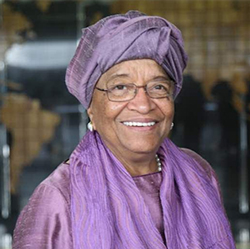
Ellen Johnson Sirleaf
Ellen Johnson Sirleaf, Nobel Peace Prize winner and former President of Liberia, is the founder of the EJSPresidential Center on Women and Development and co-chair of the Independent Panel on Pandemic Preparedness and Response.
© Project Syndicate, 2026.
www.project-syndicate.org