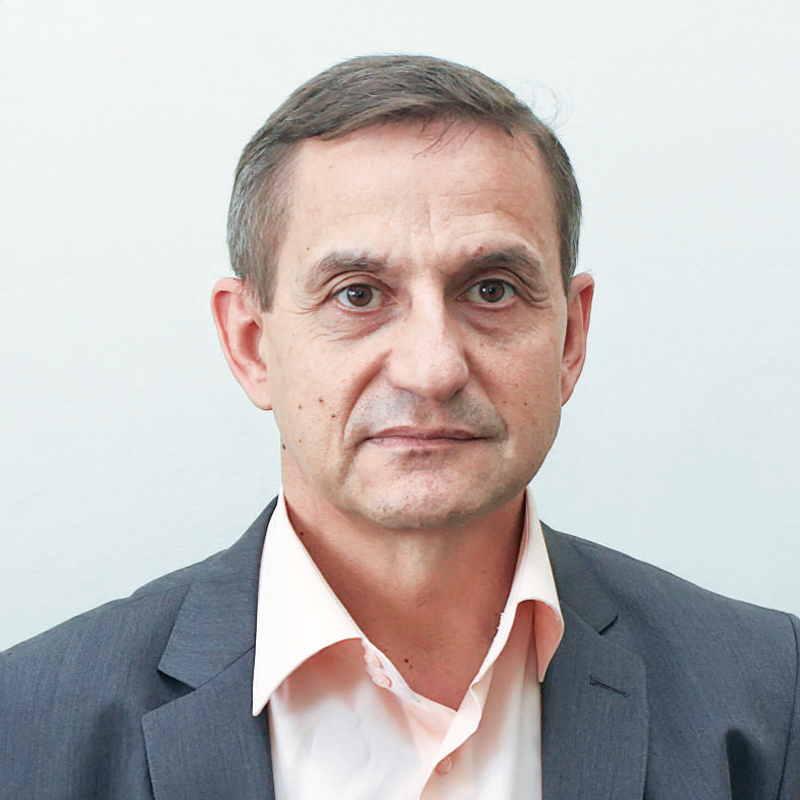

Dorin Jungietu
LP: – Mr. Minister, how prepared is Moldova today for the winter season in terms of guarantees of uninterrupted gas and electricity supplies? How is the problem of gas supply to the Transnistrian region being solved and what is the role of the Moldovan authorities in this?
– I can confidently say that Moldova is fully prepared for the upcoming winter period in terms of ensuring uninterrupted gas and electricity supplies. The state-owned company Energocom has purchased the necessary volumes of natural gas for the 2025-2026 heating season, and for the first time has formed a strategic reserve of 200 million cubic meters of gas, which will make it possible to cover the needs during the coldest months.
As for electricity, we have already proved that even in the conditions of Russian gas supply interruption, the country is able to cover 100% of domestic demand – at the expense of its own generation and import contracts. We have demonstrated that there is life without MGRES, and that the cessation of procurement has a positive impact on the development and liberalization of the market.
Regarding gas supplies to the Transnistrian region: the right side of the Nistru River is fully secured. We have repeatedly stated that we are ready to provide assistance to the left bank as well, if there is an official request. At the moment, no such request has been received.
At the same time, I would like to emphasize that the supply of gas to the region should take place strictly within the framework of the existing legal and regulatory mechanisms. According to the legislation, the responsibility for supplying the left bank lies with Moldovagaz company and the existing contractual obligations.
To summarize: Moldova enters the winter season prepared – with diversified supplies, reliable reserves and the ability to react promptly to any changes in the situation.
LP: – How justified was the transfer of all functions of gas and electricity supply to the state-owned Energocom, which actually became a monopoly? Doesn’t this raise any questions among external partners?
– The transfer of gas and electricity procurement functions to Energocom was absolutely justified and dictated by necessity. The previous model, in which key functions were concentrated at Moldovagaz, ceased to be viable after the termination of gas supplies from Russia and the geopolitical risks that arose.
The separation of functions – the so-called anbanding – is part of Moldova’s obligations and European standards. It is in this logic that the state entrusted Energocom with the role of a centralized purchaser that operates in open European markets, attracts different suppliers and ensures transparency.
In 2024-2025, Energocom purchased gas from multiple European traders using market mechanisms. This allowed Moldova to diversify sources, reduce risks and create a strategic reserve.
As for external partners: none of them expressed concerns about the transfer of functions to Energocom. On the contrary, the partners see it as a step towards increasing energy security, transparency and compatibility with EU norms. It is not about creating a monopoly, but a temporary, necessary consolidation of functions in crisis conditions.
Thus, the decision strengthened Moldova’s energy sustainability and ensured stability of supply during the most difficult period.
LP: – What was the justification for the government’s guarantees for Energocom to receive loans from the EBRD, given that Moldova has had a ban on such guarantees from external partners for many years?
– The government guarantees for the EBRD loans were provided solely in the context of an energy emergency, when Moldova faced the risk of interruption of gas and electricity supplies. This was critical financing needed to purchase resources at a time of severe shortages and high price volatility on European markets.
The external partners understood perfectly well that without these guarantees the country would be in an extremely vulnerable position. Therefore, the decision was approved as an exception, with strict controls on transparency and accountability mechanisms. The EBRD funds were used strictly for their intended purpose – to purchase gas and create a strategic reserve that ensured Moldova’s energy security during the most difficult period.
It is important to emphasize: this did not change the general policy of rejecting state guarantees, but was a temporary anti-crisis measure agreed with international financial institutions. It should also be noted that the state guarantee will be activated only if Energocom fails to repay the borrowed funds, but this risk is minimal. In any case, such a decision was more expedient than if the state itself attracted the loan and then re-loaned the company.
LP: – How satisfied are you with the transparency of gas and electricity purchase transactions, including the prices of these energy carriers?
– The level of transparency in gas and electricity procurement has increased unprecedentedly in the last two years. All Energocom purchases are made on open European platforms or through competitive requests for proposals. External auditors, including international partners, have confirmed that the processes comply with European regulations.
The prices at which gas and electricity are purchased are directly linked to market indices and European conditions. For the first time, we have moved away from non-transparent bilateral agreements and moved to full diversification of suppliers.
It is important to note that under EU commercial practice, certain details of transactions – such as the exact prices and terms of individual contracts – are subject to confidentiality conditions, which is the norm in all liberalized markets.
Overall, I am satisfied with the transparency and believe that Moldova is moving in the right direction, gradually building a modern European model of energy trade.

LP: – The BRM EST exchange was positioned as a step towards liberalization and transparency of the market. In practice, the market remains monopolized, transparency is criticized, and the total trading volume was only 650 million euros in three years. Are you satisfied with the role of the exchange in the gas and electricity markets?
– It should be understood that the exchange itself does not create a market – it serves the supply and demand that exists in the country. Trade volumes do not depend on the exchange, but on the number of participants and the degree of maturity of the market, which in Moldova has long been monopolistically dependent on a single gas supplier.
Important steps have been taken over the last three years:
- new traders have appeared;
- state and private companies started to use exchange mechanisms;
- Energocom moved to procurement through competitive processes.
The volume of 650 million euros is the initial phase of the real market formation. This is not a small figure for a country of Moldova’s size.
I consider the role of BRM EST important and promising. The exchange has given Moldova tools for transparent trading, but further market liberalization requires the participation of more suppliers and full integration with European energy platforms.
We continue to work on this – and I have no doubt that the role of the Exchange will only grow. For example, an important step in this direction will be the process of gas market liberalization. From April 1, 2026, large non-domestic gas consumers who use more than 100 thousand meters per year will be obliged to enter the free market and purchase gas either on the exchange or through bilateral contracts. Subsequently, medium-sized enterprises will also move to the free market, which will increase the volume of trading on the exchange.
LP: – How justified was the transfer of gas distribution functions to the state-owned company Energocom in the conditions of its lack of personnel and technical capabilities? Doesn’t it look strange when Moldovagaz was deprived of its license for not meeting the requirements of the Third Energy Package and the same functions were transferred to Energocom, which does not meet these requirements yet?
– It is important to clarify: Energocom is not an operator of gas distribution networks, and it was not transferred the functions of physical distribution. These networks, personnel and technical infrastructure are managed by the existing distribution operators, who continue to perform their work.
Energocom was granted a temporary supply license, i.e. the right to perform the commercial function of supplying gas to end consumers. This decision was taken to ensure uninterrupted supply in conditions when the previous supplier was unable to fulfill the regulator’s requirements.
As far as compliance with the Third Energy Package is concerned, this is a temporary model agreed with the regulator ANRE. The functional separation between supply and distribution remains in place, as required by European legislation.
Moldova is moving towards full liberalization and separation of roles on the gas market. But the energy sector has been going through crises in recent years and temporary solutions were necessary to ensure stability for consumers.
The main principle is continuity of supply. And that is exactly what has been achieved.
LP: – Thank you for the interview!

