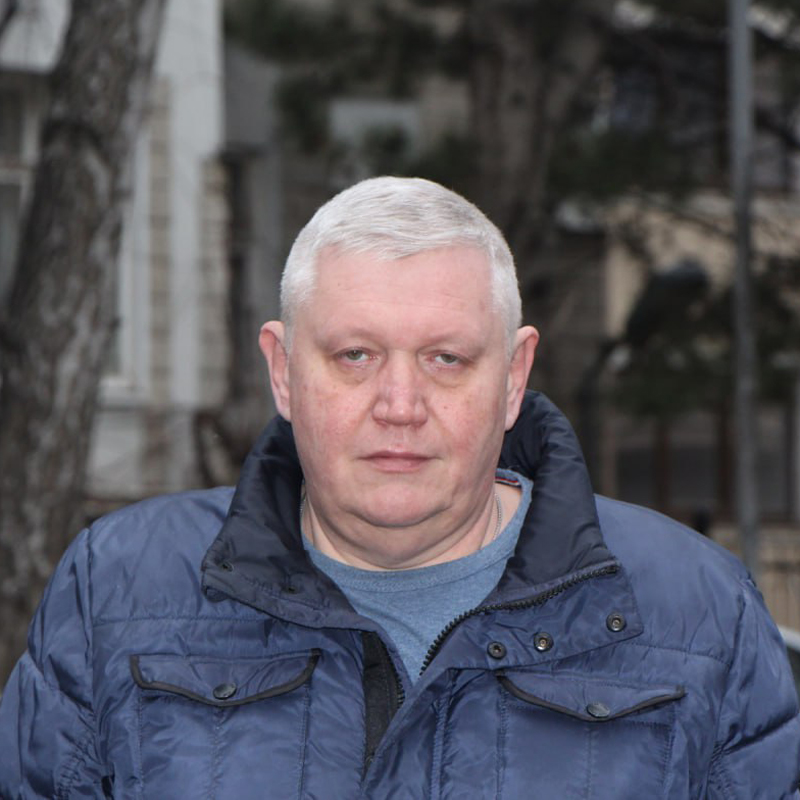

Lucia Ushurelu
Three projects, selected from 35 applications received from 33 regions of the country, will receive funding from the European Union and the governments of Sweden, Switzerland and Great Britain through the United Nations Development Program in Moldova (UNDP) in 2026-2028.
The first, an agri-food cluster, will be created in Orhei Telenesti. It will bring together more than 6,000 farmers who will have access to modern equipment for processing, storing and sorting products, purchased with funds from development partners.
The second, in Stefan Voda and Slobodzei, will develop rural tourism. In the third, agricultural enterprises from Mileşti Miţi and Causeni will grow table grapes.
“The essence of clusters is the consolidation of economic entities, local authorities and the academic sector,” explained Deputy Prime Minister, Minister of Economic Development and Digitalization Eugen Osmokescu at the opening of the forum. – In this way, interaction emerges, allowing to bring together small and medium-sized enterprises, to introduce new technologies, to facilitate access of products to the domestic market and export”.
The idea of clusters in the country began to be realized in 2006. Julia Kostin, ex-director of the Organization for the Support of Small and Medium Enterprises (ODIMM, now ODA), told LP about it in an interview.
In 2007, the first cluster appeared. And by 2020, a program was developed that envisioned the development of an ecosystem of clusters with government support. But the coronavirus pandemic and many other events forced the state to put these ideas on the back burner for a while.
However, the initiative was taken up by UNDP, which, with the help of partners, has created about 20 clusters in five years. According to Andrei Darie, head of the UNDP Inclusive Growth Department, 5 of them are tourism clusters, 3 for cultivation of table grapes, one each for medicinal plants, textiles, furniture, winemaking, vegetables, fruits, berries and honey.
In total, more than 60 clusters have been formed over the years. Fabian Schmidt, Chief Advisor of the European Center for Economic Research and Strategic Advice, specified that two thirds of them operate in the spheres of agro-food, tourism and textiles.
Lucia Usurelu, president of the Herbafruct cluster (Nisporeni-Ungheni-Straseni), said that this economic association is the country’s largest producer and exporter of medicinal and aromatic plants, as well as teas prepared from them, with annual sales of 5 million euros.
“We have three plant processing centers (including fruit) and 210 employees,” Lucia Ushurelu reported. – They are involved in growing, harvesting, processing, sorting and packaging of plants and fruits, making teas, solutions and supplements. 54% of the produced products go abroad, the rest – to the domestic market”.
The largest cluster in Moldova in terms of sales, €19 million, is Furniture & More (Ungheni). It was created in 2022 and unites 18 enterprises producing furniture, wood, textiles. It also includes the Ungheni district council and the local branch of the Chamber of Commerce and Industry.
Florin Popov, head of the association, specified that among the 350 employees there are 190 women and 160 men. Cooperation with international organizations helped the cluster to buy 14 units of machinery, create 17 new jobs and increase sales by 14%.
“We promote Moldova as a producer of solid wood furniture,” Florin Popov added.
The OviClust cluster (Cimislia-Basarabeasca) united the largest goat and sheep farms in the region in 12 localities, as well as forage and grain producers. It is engaged in the production of goat and sheep milk, as well as cheese and cheese from it.
OviClust director Vasile Sidor said that the 28 enterprises and organizations that make up the cluster represent 76% of the private sector, 7% of the public sector and 17% are associate members. In particular, they include the Institute of Veterinary Medicine and Animal Technology.
Sales of 727 thousand euros, 103 employees, of which 31% are women and 36% are young people.
Clusters that bring together enterprises from both banks of the Nistru River are under special attention of UNDP.
“This is an investment in peace, development and cooperation,” said Guido Beltrani, Head of the Swiss Cooperation Office in Moldova.
Riviera Nistrului cluster manager Viorel Miron said that they provide recreation services on both banks of the Dniester near the Dubasari reservoir.
“14 enterprises able to accommodate 1,000 people, 100,000 visitors both from Moldova and from 25 countries, spa centers, cultural tourism, factories “Bouquet Moldavia” and “Quint”, 200 km of tourist routes, several festivals per year,” the manager briefly listed.
Another tourism cluster uniting enterprises from Criuleni and Grigoriopol districts, Inima Nistrului, created in 2023, has 64 members, of which 50 enterprises, 5 NGOs and 6 local administrations. Besides providing tourism services, Inima Nistrului, as its head Viorica Verlan said, is engaged in the development and diversification of tourist routes and services (biking, water, gastronomic), as well as in the socio-economic development of the micro-region.
“Now we are “laying” a new 44 km long route with the inclusion of new touristic objects”, – specified Viorica Verlan.
The newly created Honey Trade Group cluster will, according to its head Roman Mereutz, deal with the cooperation of its 11 members (of which 1 is from the Left Bank) for the diversification of beekeeping products.
“We are looking for opportunities to produce new products with high added value,” explained Roman Mereutsa.
The forum discussed the idea of creating a National Association of Clusters, which would attract and regulate financing, as well as represent Moldova in the European platform of cooperation between clusters from different countries.

