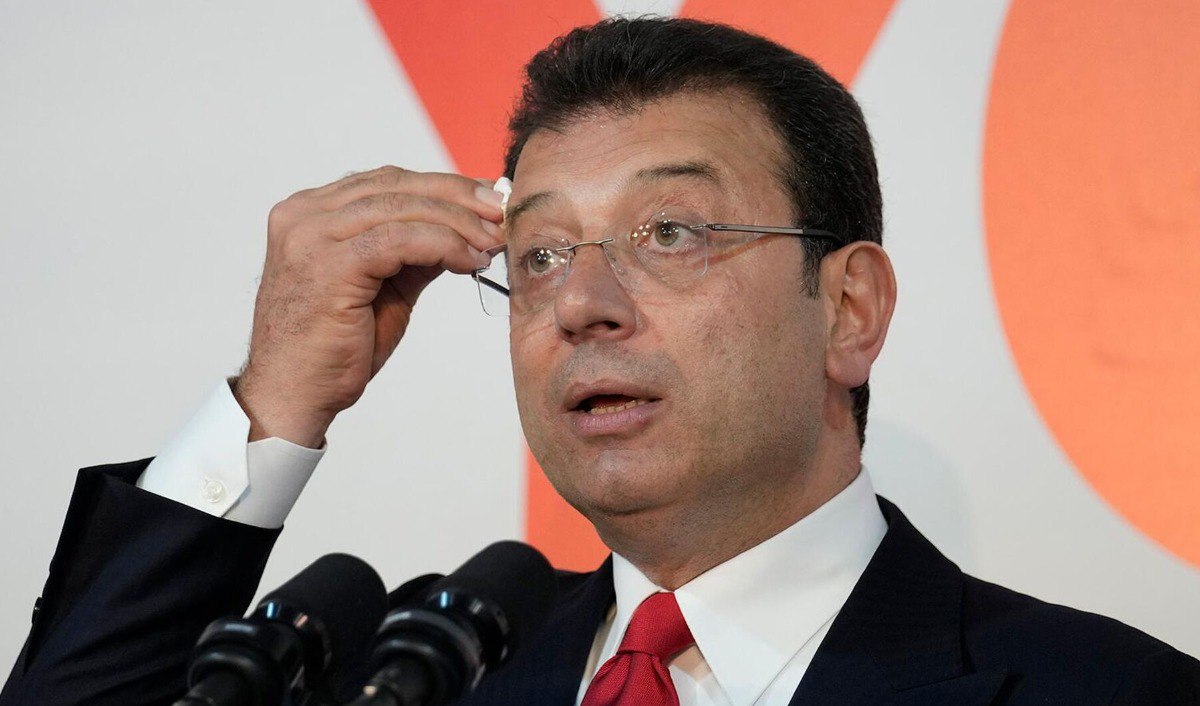

Andrian Gavrilice
This is how Finance Minister Andrian Havrilice commented on the reasons for the high budget deficit at a press conference after Thursday’s cabinet meeting. “The deficit itself would not be a problem if the cost of financing was low,” the minister said. – Right now it is high, especially on domestic debt. Reducing these costs is our key priority.”
He specified that the main problem is the cost of domestic debt, which rose from 7% to 9% in the previous years, significantly affecting the state’s ability to take cheap loans.
Andrian Havrilice mentioned as a solution the negotiations with the leadership of the European Union, the IMF and other international partners, in order to find refinancing opportunities that would reduce the burden on the budget.
At the same time, despite the budgetary pressure, the government does not intend to cut investments, he said. “Next year will be a record year in this regard. We envision maintaining this deficit so as not to stop any investments that may be made next year. Half of the additional spending will go on investment. Moldova will receive 5.6 billion lei from the economic growth program agreed with the EU,” the minister specified.
He named the main directions for which additional financing is planned: small and medium-sized enterprises – over 1 billion lei; energy storage and production – 560 million lei; agriculture – almost 500 million lei; local and regional development – 280 million lei; railway infrastructure – about 200 million lei; energy efficiency in the residential sector – 185 million lei.
“The priority in the energy sector remains the reduction of bills through investments in energy efficiency, and then the increase of household incomes, so that the transition from compensations to real savings is sustainable,” Gavrilice also said.
Asked about possible measures that the IMF will require to adjust the budget, the minister said: “We will not allow cuts in salaries and will not resort to layoffs where it is not justified. The solution is not in cuts, but in increasing revenues and refinancing expensive debts”.