
The survey asked 1,134 American adults questions regarding U.S. policy toward Iran.
The responses revealed a low level of trust in US President Trump as it relates to “his relations with enemies and the use of military force outside the country”.
According to the findings, when asked about trust in the White House chief executive’s ability to make the right decision regarding the use of U.S. military force abroad, 56% of respondents said they trusted him “very little” or “not at all,” while only 27% expressed a fairly high level of trust.
It also found that the percentage of those who don’t trust Trump to make the right decisions “in dealing with enemies” is 55%, while the percentage who trust him is 28%.
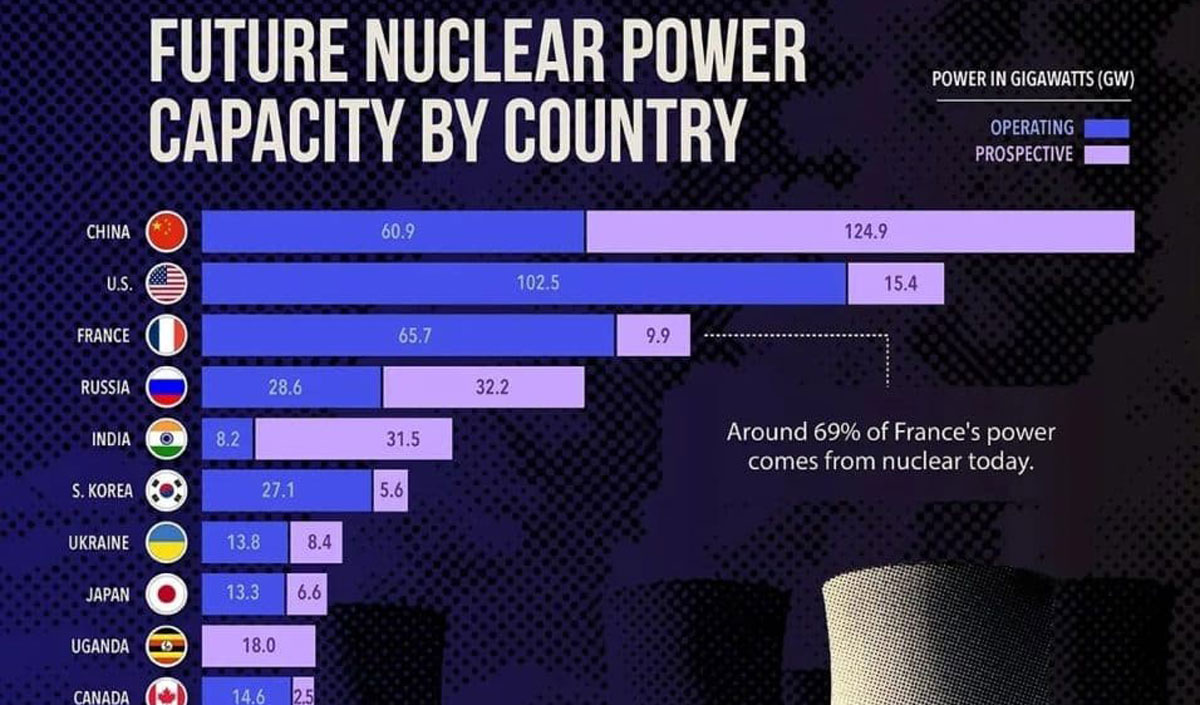
According to the poll, 48% of participants said they were extremely concerned about “whether Iran’s nuclear program poses a direct threat to the United States,” 31% were “partially concerned,” and 19% were of the opinion that they were “not at all concerned.”
In addition, 61% of Americans are of the opinion that “Iran is an enemy of the United States.” It is noted that in September 2023, this figure, according to AP-NORC, was 53%.
The negotiation process between Iran and the United States
Iran-US nuclear talks, which were interrupted in June 2025 as a result of Israeli and US strikes on Iran, were resumed thanks to the efforts of regional countries, especially Turkey, and with the mediation of Oman.
Threats of U.S. attack and a colossal build-up of U.S. presence in the region continue. On February 6, the parties met in Oman for indirect talks and agreed to continue contacts.
A second round of talks was held in Geneva on February 17. The parties reported progress and agreed to meet again on February 26 in Geneva.
Iran has expressed willingness to compromise on its nuclear program, insisting on the lifting of U.S. sanctions as a key condition for continuing restrictions preventing the development of atomic weapons. The U.S., on the other hand, insists on Tehran’s complete cessation of uranium enrichment activities and the removal of existing stockpiles of highly enriched uranium from the country.
The negotiations are addressing the issues of the level at which the degree of enrichment will be limited, the fate of uranium stockpiles (about 440 kilograms enriched to 60%), as well as the schedule for lifting sanctions and verification mechanisms.