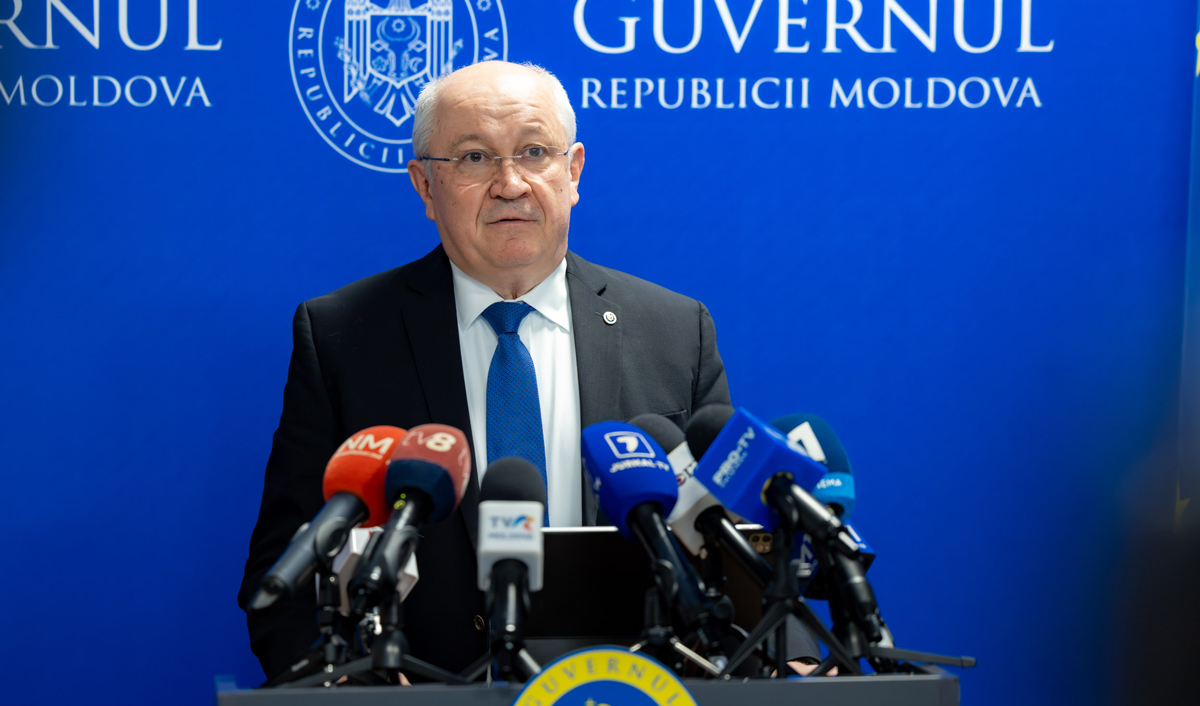

This was announced by Moldovan Prime Minister Alexandru Munteanu. “People who visit restaurants or live in hotels can pay more,” the prime minister said. – Therefore, the current preferential rate is “unfair”.
Alexandru Munteanu is not alone in his opinion. Being the head of the Cabinet of Ministers, Natalia Gavrilita also called “misunderstanding” the 6% VAT rate, which was in force during the COVID-19 pandemic. Some representatives of other economic sectors are also ready to support the government’s initiative
Rate hikes in the HoReCa sector
Experts recall that VAT for HoReCa was standard until a few years ago. The rate of 20% for the sector was valid until the end of 2019.
During the pandemic, to give a breath of air to the sector, the VAT rate was set at 6%. Last year, as the state of emergency regime came to an end, the rate was set at 8% from February 14, which is still in effect today.
The ten-percent tax increase, planned by the Cabinet of Ministers, will lead to a price hike in catering establishments and hotels, experts say. This will affect the reduction in the number of citizens who will be able to use their services. This, in turn, will hit domestic tourism, which has just started to recover, experts say.
The expected effect is doubtful
Whether the authorities will get the desired effect in terms of filling the treasury from such an increase is rather a rhetorical question. Experts warn that prices will rise and sales will decline. Today, the purchasing power of the population is not so high that it could afford to raise prices for such services.
“This is exactly what will happen, especially in small and inexpensive catering establishments, so non-rich citizens will suffer the most,” says Tatiana Grinik, director of the GR&TI auditing company. – Tax authorities have always believed that HoReCa enterprises “get poor and hide income. But in order not to raise prices sharply, companies will take part of sales into the shadows, because this is how business is used to react to tax increases. And this means that revenues will fall, including income tax revenues”.