
Foto: gov.md
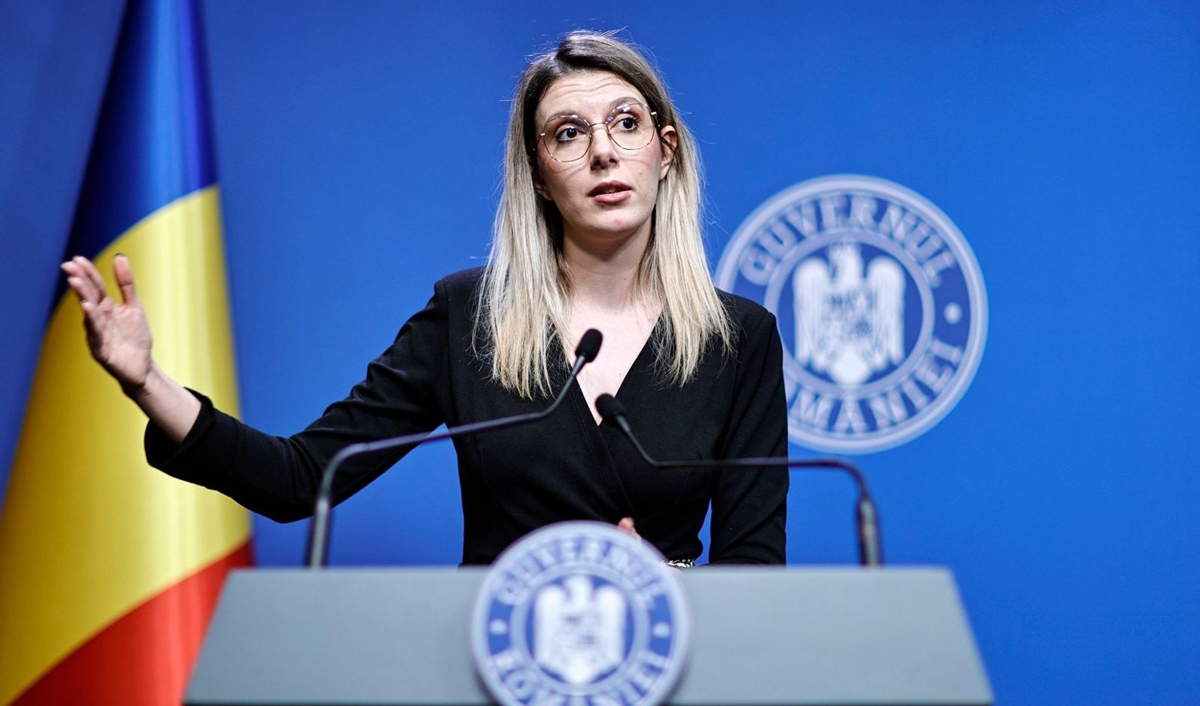
This was announced by Prime Minister Alexandru Munteanu at a meeting with his Croatian counterpart Andrej Plenkovic during the World Economic Forum in Davos.
Croatia, the last to qualify for full EU membership, has become a kind of reference point for countries still knocking on Brussels’ doors. Plenkovic, whose country joined the bloc after years of reforms and negotiations, praised Moldova’s recent efforts at modernization and European integration, making it clear that Zagreb is ready to help in the process.
The talks went far beyond diplomacy. Moldova welcomed Croatia’s development assistance through UNICEF, which is helping to strengthen health and education infrastructure, expand social services and improve energy security – critical issues for a country undergoing economic reform and facing geopolitical pressures.
Alexandru Munteanu made it clear that Moldova needs more than advice. He said that his government aims to increase the presence of Moldovan products on the Croatian market, deepen partnerships with Croatian distributors and attract private investments. One idea already under discussion: a bilateral business forum to connect companies from both countries.
Figures show that relations are already developing. Currently, 14 companies with Croatian capital operate in Moldova, with investments exceeding 15 million lei. Bilateral trade reached approximately $78 million in 2025, and both sides seem keen to increase this figure.
Croatia and Moldova have already signed 16 cooperation agreements covering everything from investment and trade protection to tourism and avoidance of double taxation. Three more agreements are currently under negotiation, on migration, social security, education and research.
Beyond politics and money, the two leaders also talked about soft power. Both governments signaled a willingness to cooperate more deeply in tourism and culture, including joint participation in exhibitions, festivals and major economic events – a move aimed at raising each country’s profile and strengthening people-to-people ties.
For Moldova, the message was clear: Croatia is not just a friendly EU member, it is proof that the path to Brussels, though difficult, is possible. And for Croatia, the role of mentor only strengthens its position as a regional heavyweight with well-deserved authority in the EU.