
Maia Banarescu
France’s lower house of parliament has voted in favor of banning social networks for teenagers under the age of 15. In Portugal, access to social networks is also restricted for children under 16. Talks about introducing an age limit for social networks are taking place all over Europe.
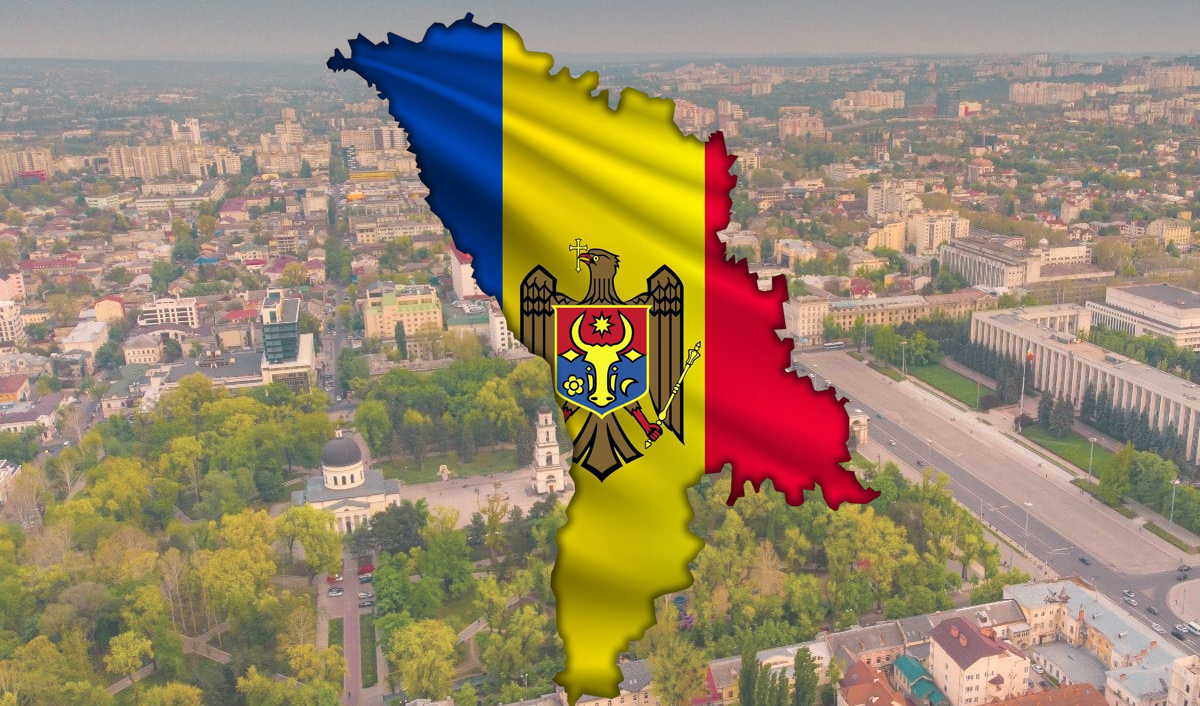
In Moldova, the first signal came from the president. Maya Sandu called for joint action to protect children in the online space. Some people took this as an instruction to action and began to talk openly about introducing a ban for children under 16. Now this issue is being actively discussed among civil servants.
The illusion of protection
According to expert, former ombudsman for children’s rights Maia Banarescu, banning social networks for children is not protection, it is an illusion of protection. Yes, the dangers are real – cyberbullying, algorithmic manipulation, digital addiction, online exploitation. But excluding a child from a world that already exists is not a solution.
“This is the wrong and ineffective approach. In the digital age, the internet has become part of a child’s developmental environment where he communicates, learns, forms an identity and expresses opinions. The ban restricts the realization of his fundamental rights. Modern interpretations of the UN Convention on the Rights of the Child view the online environment as an extension of real social life. The state is obliged to both protect the child from risks and guarantee the right to information, expression and participation. UNICEF standards emphasize that children’s rights must be respected equally online and offline. Protection does not imply isolation, but the creation of a safe environment,” Banarescu shared with Logos Press.
European practice shows that the state cannot protect a child by simply excluding him/her from the space necessary for the realization of rights. General prohibitions create an illusion of control. In practice, children look for alternative, less safe ways – fake accounts, switching to unsafe platforms, lack of critical thinking in the digital environment.
In Australia, the introduction of a minimum age for social media users went “relatively smoothly”. However, as experts note, the real consequences of the ban will be noticeable not in weeks or months, but in the long term – perhaps even in generations.
Real protection
According to Maia Banarescu, the ban deprives children of the skills to recognize real risks: algorithmic manipulation, cyberbullying, online exploitation, data theft, digital addiction. The defense should be directed at the source of the risk, not at limiting the rights of the child.
Genuine protection includes:
– Compulsory digital education in schools;
– clear procedures for dealing with risks to educational institutions;
– realistic age verification;
– banning targeted advertising to children;
– rapid response mechanisms;
– digital parenting and parental control tools, training programs for families;
– information and training for teachers and parents;
– development of support services (hotline, psychological assistance);
– responsibility of platforms.
“The balance is achieved through shared responsibility: the state sets the rules, platforms implement protection according to the principle of “safety by design”, the educational system develops digital competencies, social services provide support, the family provides guidance and supervision. This European approach is a realistic solution for Moldova,” the former ombudsman believes.
There is also a rather widespread opinion that the ban is initially meaningless – in a week or two at most, children will find their way around it. Today they are more resourceful than many adults, including those who make these decisions. As they say, forbidden fruit is always sweet. Many remember the Soviet cartoon: “Are they waiting for me, these troubles? Then I’m off!”.
It is important to realize that a protected child is not someone who is kept away from technology, but someone who understands technology. Prohibition is the easy solution. Education and regulation is a mature solution. What will Moldova choose?