
The EEA is one of the first EU agencies to integrate Moldova into its permanent activities and operational structures.
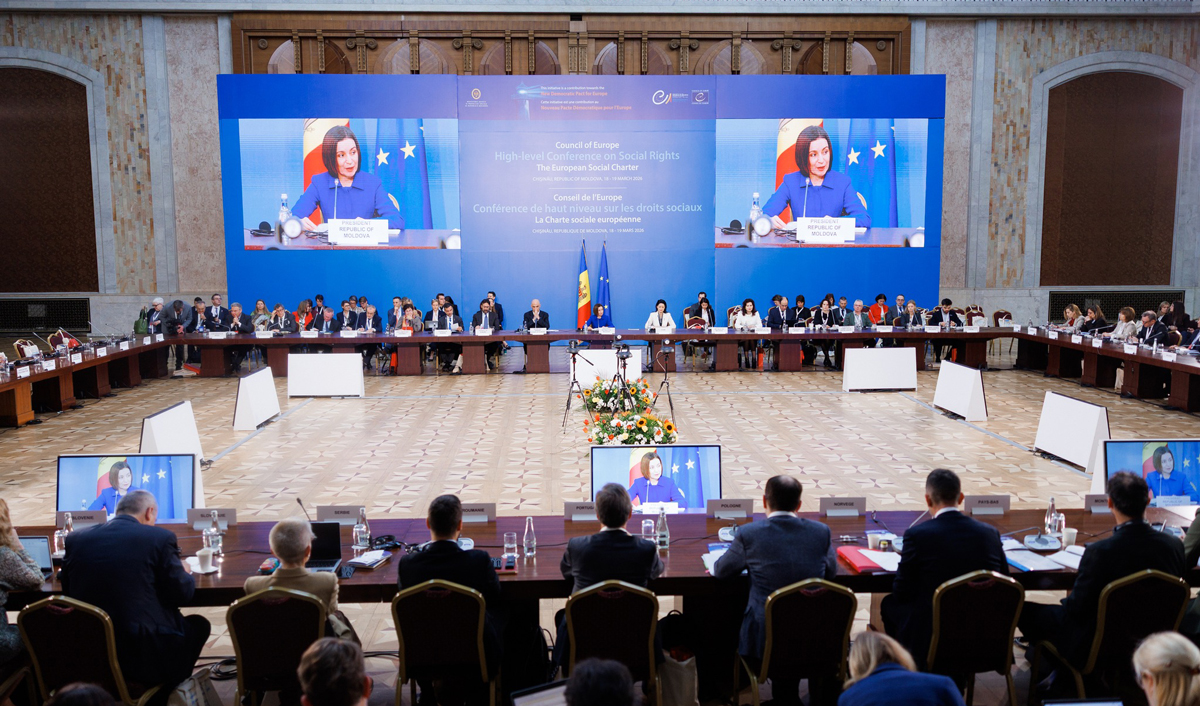
Today, the EEA Board of Governors officially approved Moldova as a partner country of the organization. As a result, Moldova became the seventh EEA Partner Country, joining the Western Balkan states of Albania, Bosnia and Herzegovina, Northern Macedonia, Montenegro, Serbia and Kosovo.
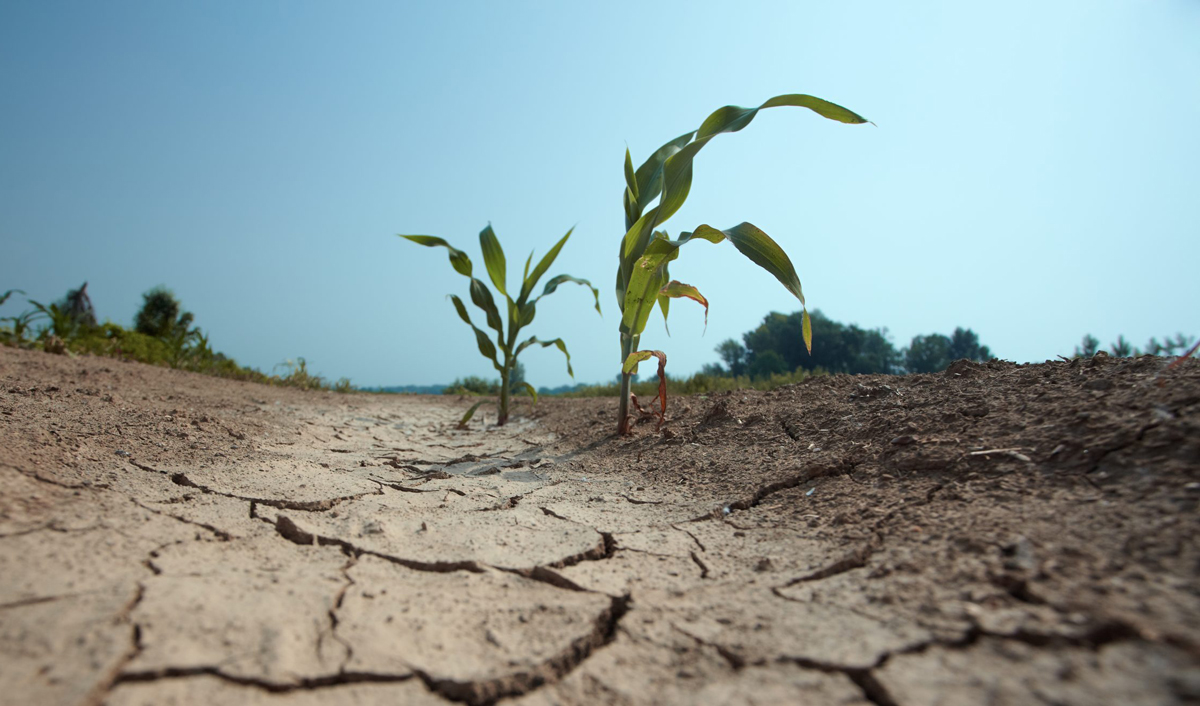
Moldova’s landscapes and ecosystems are part of wider European ecological systems, and its environmental problems often mirror those faced by the whole region. A technical liquid spill that occurred on the Dniester River near the Moldovan border is now affecting the entire river basin, including Moldovan territory. Such incidents show that environmental and climate problems are not confined to national borders.
“Moldova’s cooperation with the European Environment Agency marks an important moment on the road to European integration. It is a concrete step for both Moldova and the European Union as we strengthen our cooperation and joint commitment to a healthy and sustainable environment that can enhance our preparedness, security and resilience,” said Jessica Rosvall, European Commissioner for the Environment, Water Sustainability and Competitive Closed Loop Economy.
“The Republic of Moldova welcomes the new phase of cooperation with the European Environment Agency and its Eionet network. Joining this community of partners strengthens our capacity to develop science-based environmental policies, improve environmental data systems and align our practices with European standards. At a time when Moldova is undertaking important reforms of its environmental institutions, including the strengthening of the Environmental Agency, the experience and expertise of the EEA and the Eionet network will be invaluable. Access to reliable and comparable environmental data will enable us to better understand environmental issues and develop effective public policies. This cooperation will support our efforts to modernize environmental governance, improve data quality and transparency, and accelerate our compliance with EU environmental legislation as part of Moldova’s European integration pathway,” replied Gheorghe Haider, Minister of Environment of the Republic of Moldova.
EEA integration roadmap
The European Environment Agency’s Cooperation Framework Program allows member states to participate in the Agency’s activities and become part of the Eionet network. Participating countries contribute to and benefit from the exchange of environmental data, assessments and capacity building activities, contributing to improved environmental governance and evidence-based decision-making across Europe. The Eionet network consists of EEA member and partner countries. The 32 participating countries include the 27 Member States of the European Union, Iceland, Liechtenstein, Norway, Switzerland and Turkey.
Cooperation with the EEA is part of Moldova’s broader commitment to European integration. This was confirmed at the highest political level in the Joint Declaration following the first EU-Moldova Summit in July 2025, which mentions Moldova’s participation in selected EU agencies, including the EEA.
Moldova applied for European Union membership in March 2022, was officially recognized as a candidate for EU membership in June 2022 and started accession negotiations in June 2024.
The cooperation between the EEA and Moldova will start with a special adaptation and diagnostic phase (2026-2028). The objectives of this phase are:
– To support Moldova in establishing the institutional and technical basis for future gradual integration into the Eionet network;
– Provide a clear roadmap for the provision of environmental data to the EEA in line with the approximation to EU environmental legislation;
– Facilitate the gradual participation of Moldova in EEA systems, networks and knowledge platforms.
Such cooperation is supported by the European Union within its external cooperation programs.