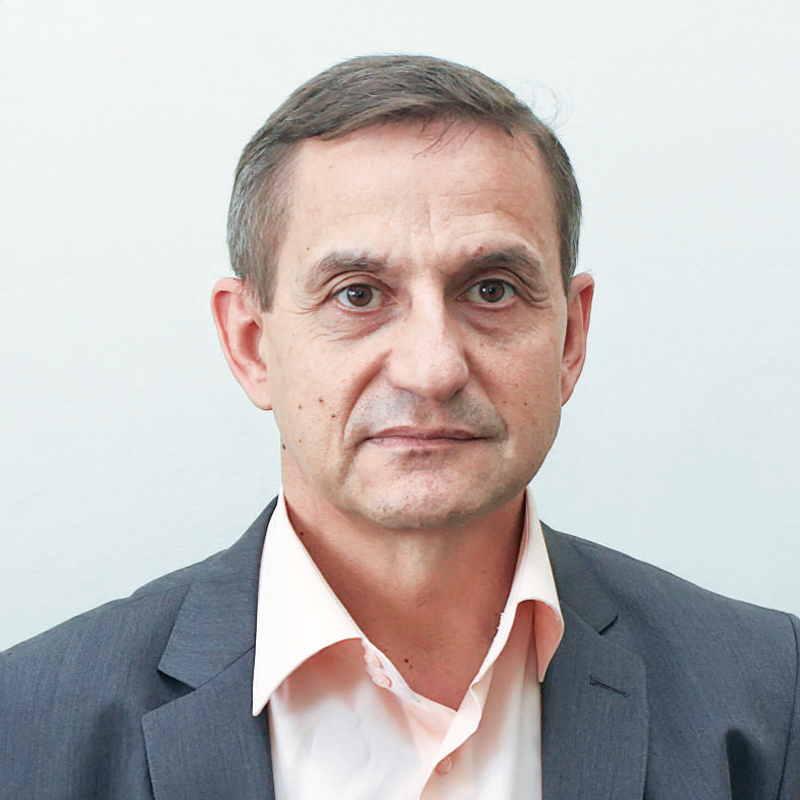

MEPs accuse Ursula von der Leyen of 'hallucinations'
About this writes German Berliner Zeitung with reference to Politico. According to nine diplomats with whom the American publication spoke, they are dissatisfied with Ursula von der Leyen’s intrusion into areas that, according to internal EU agreements, fall within the competence of member states. We are talking about exceeding the powers of her position as a diplomat, i.e. an attempt to behave as an independent center of foreign policy.
“Von der Leyen is speaking without a mandate.”
The conflict took a particularly visible form on February 28, shortly after the U.S. and Israeli strikes on Iran, when von der Leyen issued a statement on developments in the Middle East, according to Raphael Schmeller, author of an article in the Berliner Zeitung. Among other things, it said that the EU responded to the actions of the Iranian regime and the Islamic Revolutionary Guard Corps by imposing sweeping sanctions and advocating a negotiated solution to the nuclear and missile programs.
French MEP Nathalie Loiseau reacted defiantly harshly. On social network X, the former French Minister for European Affairs and associate of President Emmanuel Macron wrote: “Once again, Ursula von der Leyen: this is NOT your competence. Enough.”
But the president of the European Commission continued her active diplomatic activities. She began to call the heads of the Gulf states, and on behalf of the EU to discuss options for settlement. Nathalie Loiseau wondered whether the politician had “started hallucinating”. According to the MEP, the European Commission President has no diplomatic department of her own, speaks without a mandate and does not rely on intelligence reports.
The substance of the dispute is institutional and creates political resonance. Formally, foreign and security policy in the EU falls within the competence of the member states of the union. Article 18 of the Treaty on European Union entrusts the leadership of this policy to the High Representative of the Union for Foreign Affairs and Security Policy – currently Kaja Kallas.
The European Commission, on the other hand, according to Article 17, ensures the external representation of the union, but the article explicitly stipulates: not within the framework of the Common Foreign and Security Policy. It is on this boundary of authority that the current conflict has erupted.
This is echoed by the criticism Politico has received in capitals and in Brussels, notes Berliner Zeitung. According to the publication, diplomats are irritated not only by von der Leyen’s remarks on Iran, but also by her other initiatives: the Commission’s line on accelerating Ukraine’s admission to the EU and her approach to Donald Trump’s Peace Council.
Behind all of this is the same reproach: the chairwoman is taking political positions outward and thereby effectively tying the hands of the EU without sufficiently involving the EU member states in the process beforehand.
The rift within the EU is deepening
The European Commission denies the allegations. A Commission spokesman said that von der Leyen, acting in accordance with the treaties, provides “political guidance for the Commission’s foreign policy.” Contacts with heads of state and government around the world, Brussels emphasized, are clearly part of her tasks.
At the same time, the Commission noted separately that the formal EU position on the conflict over Iran was determined not by Ursula von der Leyen, but by Kaja Kallas – in a statement agreed with all 27 EU member states.
At the heart of the current tensions lies a deeper problem: as global crises multiply day by day, the divisions within the EU are becoming more and more visible, concludes the Berliner Zeitung.