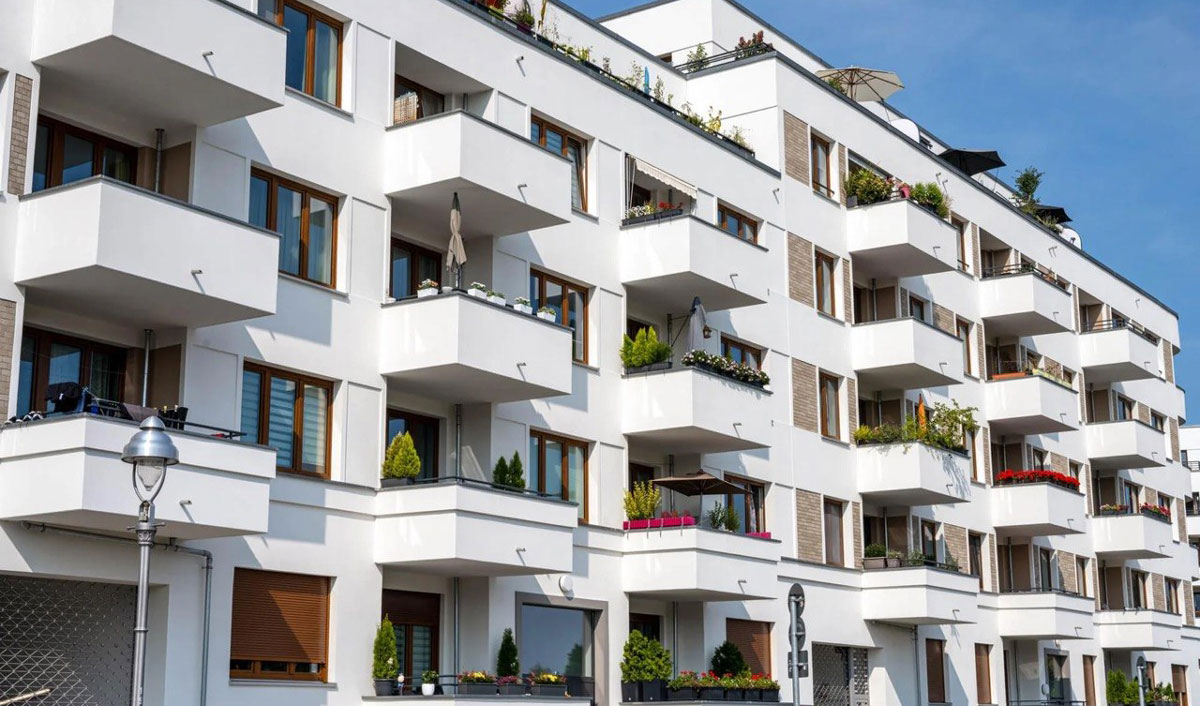

According to Prian, the main factor in the decrease of tenants’ interest is the rise in the cost of housing. Over the past year, rent in the secondary market has increased by an average of 4.5% and reached about 9 euros per square meter. In new buildings, the rates increased by 3% to 13.2 euros per square meter.
The growth of rental rates continued even during the period of decline in real estate prices, which was observed since 2022. Prices are now rising again, but the pace remains moderate. As a result, renting remains expensive relative to household incomes.
Tenant behavior is changing
High prices are already having a direct impact on demand. In Munich (one of the most expensive markets in the country), for example, a clear cost dependence of interest is noticeable.
Apartments with a rental rate of around 20 euros per square meter receive 10% fewer inquiries compared to properties at 16 euros. As the price rises further to €27 per square meter, interest almost halves – the number of inquiries drops by 49%.
This indicates the growing sensitivity of tenants to cost and the limitation of their ability to pay.
Why Germans are in no hurry to buy
Despite rising rental prices, Germany remains a nation of renters: around half of residents continue to rent: one of the highest rates in the EU.
Experts explain this trend by several factors, First, high prices for buying real estate. Secondly, expensive mortgage loans against the background of higher interest rates. And finally – the traditionally developed rental market and high mobility of the population.
Therefore, even if rents become more expensive, many households are not ready to switch to buying a home.
One third of Europeans do not have their own home
Note that according to Eurostat, 68% of Europeans (or rather, citizens of EU countries) live in their own homes, and 32% – in rented housing.
The highest proportion of owners is observed in Romania (94%), Slovakia (93%), Hungary (92%) and Croatia (91%). The lowest is in Germany (47%).