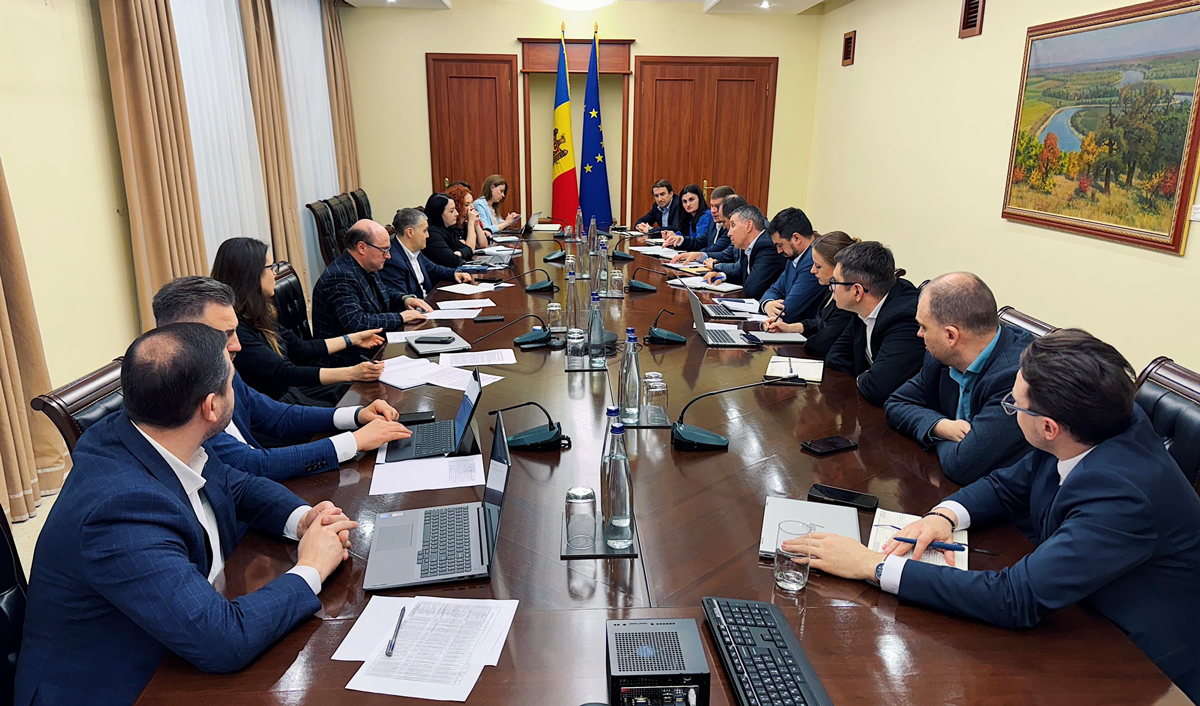

On behalf of the Prime Minister, representatives of 12 institutions met on the platform of the National Crisis Management Center (CNMC) on April 2, 2026, to assess the situation in the energy sector and the possible consequences if the state of emergency is lifted.
Although there have been some recent improvements, the situation remains fragile. Moldova remains vulnerable as it is fully dependent on fuel imports, and the regional context, marked by Russia’s war in Ukraine and tensions in the Middle East, continues to affect supply. In this context, some states in the region have imposed export restrictions to protect their markets. Moldova imports 100% of its fuel, making it more vulnerable than other countries in the region, CNMC said.
Thus, the measures taken were necessary, first of all, to stabilize fuel stocks, to ensure the need for gasoline and diesel fuel (especially during the intensification of agricultural works), as well as to encourage importers of oil products to continue supplying to Moldova and renewable energy producers to use energy on the domestic market.
From a technical point of view, the energy system is not yet fully stabilized. The Isaccea-Vulcanesti line, although operational, is in a critical period of stability checks and adjustments. Moreover, according to the data, every year the period from April to May is one of the most difficult, as the shutdown of CHP cogeneration capacity reduces domestic electricity production by about 50% (about 200 MW), increasing import dependency and the risk of using emergency energy at high prices.
The emergency measures taken earlier were crucial in averting a major crisis in the entire energy sector, both in the electricity and petroleum products segments. For example, diesel stocks had reached a critical level and the authorities’ intervention made it possible to resume supplies and reduce the number of refueling stations without fuel. At the national level, the situation has improved, but careful stock management is still needed to prevent new difficulties.
The institutions responsible for the energy sector emphasize that the current level of risks does not allow for an immediate lifting of the state of emergency. A possible shortening of the time limit set by the Parliament by terminating the mechanism can only be considered if the country’s energy security is fully ensured.
Even if the regime is lifted, an alert regime would need to be activated to maintain the tools of intervention: preventing fuel exports and avoiding fuel shortages at gas stations.
Several areas are highlighted in the energy security action framework:
– Preparing a safe transition to a possible alarm stage to preserve intervention tools;
– coordination between institutions so that solutions do not create interruptions, especially during the festive period with increased consumption;
– Daily monitoring of fuel stocks and flows;
– updating response plans to prevent fuel supply problems and ensure the necessary volume for the agricultural season.
The state of emergency was declared on March 25 after the Vulcanesti – Isaccea line was damaged.