
The paper emphasizes that Moldova is facing increasingly complex forms of organized crime influenced by regional, technological and economic factors. It is therefore necessary to develop mechanisms for detection, investigation and effective cooperation between national and international bodies.
According to the National Bureau of Statistics, 24.6 thousand crimes were registered in 2024, which is 2.5% more than in 2023, but 8.2% less than in 2022. The increase in organized crime is particularly notable: 889 crimes committed by criminal groups were recorded in 2024, 342.29% more than in 2023 (205 cases) and 2022 (201 cases). Experts note the trend of adaptation and diversification of criminal activities, including the digital sphere.
Growth is also seen in economic crime, with 14.49% more cases (60 more cases) recorded in 2024 than a year earlier, according to the Prosecutor General’s Office. The most common crimes are: counterfeit money manufacturing, tax evasion; money laundering; and smuggling.
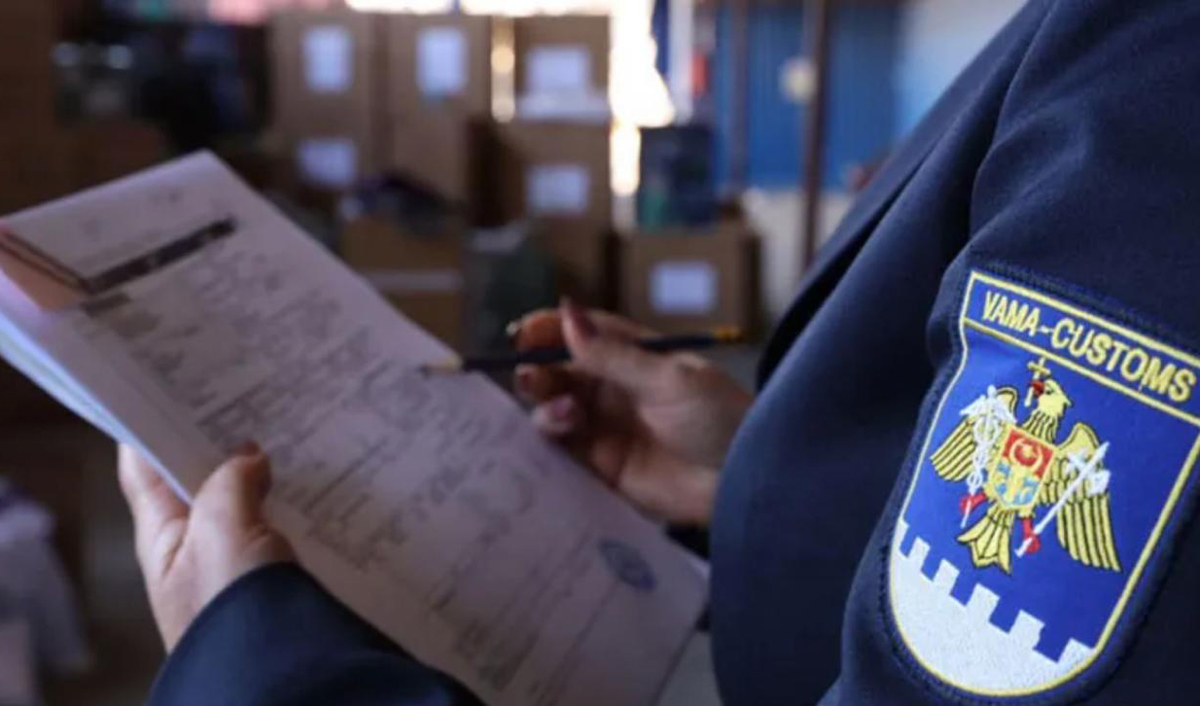
The fight against smuggling is complicated by increasingly sophisticated methods of concealment and transportation, insufficient infrastructure at individual border points, poor interagency coordination, and non-integrated information systems that slow risk analysis and access to intelligence.
The national program sets ambitious targets by 2030, among them:
– A 25% increase in institutional and technical capacity to combat cybercrime;
– A 50% reduction in the number of crimes against sexual integrity, including those committed through the use of technology;
– a 5% increase in the effectiveness of the fight against criminal networks;
– A 20% reduction in economic crime;
– a 10% reduction in crimes against human life and health.
The implementation of the Program and the accompanying Action Plan will require about 53.3 million lei, of which 12.55 million lei will be allocated from the state budget, 2.26 million lei will be financed by European partners, 38.05 million lei are still uncovered expenses.