Send us a message, and we will definitely consider your suggestions and comments.
Category: Banks & Finance
From today, 1 September 2026, farmers will have one month to apply for state financial assistance to partially cover the cost of insurance premiums under contracts they entered into in 2025.

An IMF mission has begun negotiations with Ukraine. The focus is on the economy, reforms, and the 2027 budget.
Moldova’s state budget deficit stood at 8.7 billion lei as of the end of July 2026. The Ministry of Finance has released the latest data, specifying that during the first seven months of 2026, state budget revenues totaled 44.5 billion lei, while expenditures amounted to 53.2 billion lei.
The National Bank of Moldova’s (NBM) official reserve assets have shown a steady upward trend in August. According to preliminary data from the financial regulator, gross reserves in the euro reached an interim figure of approximately 5.39 billion euros as of August 21, compared to 5.2 billion euros at the end of July.

The state budget deficit for 2026 is set to increase by 2.17 billion lei, to 23.07 billion lei, which represents 5.95% of GDP. According to the draft budget amendment, published for public consultation, the increase comes amid an upward revision of budget expenditures.
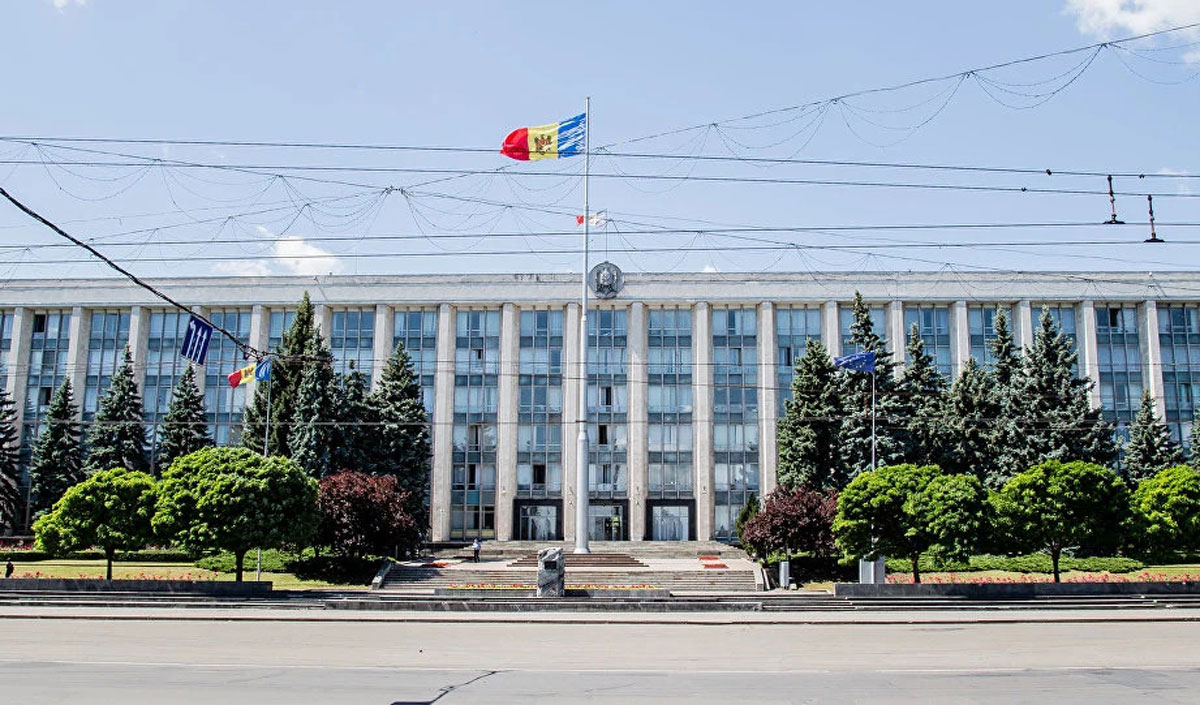
The base premium for domestic insurance will increase from 1,257 to 1,420 lei, or by 12.9%, while the premium for international travel in Zone 1, which covers trips to Ukraine, will increase from 14 to 16 euros, or by 14.3%.
The Ministry of Finance intends to maintain the zero tax rate on retained earnings until 2029, while increasing the threshold from 100 million to 200 million lei for companies eligible for this regime. In this way, the government hopes to support capital accumulation within companies and stimulate investment. But for businesses, the main question remains: what will happen after 2029?
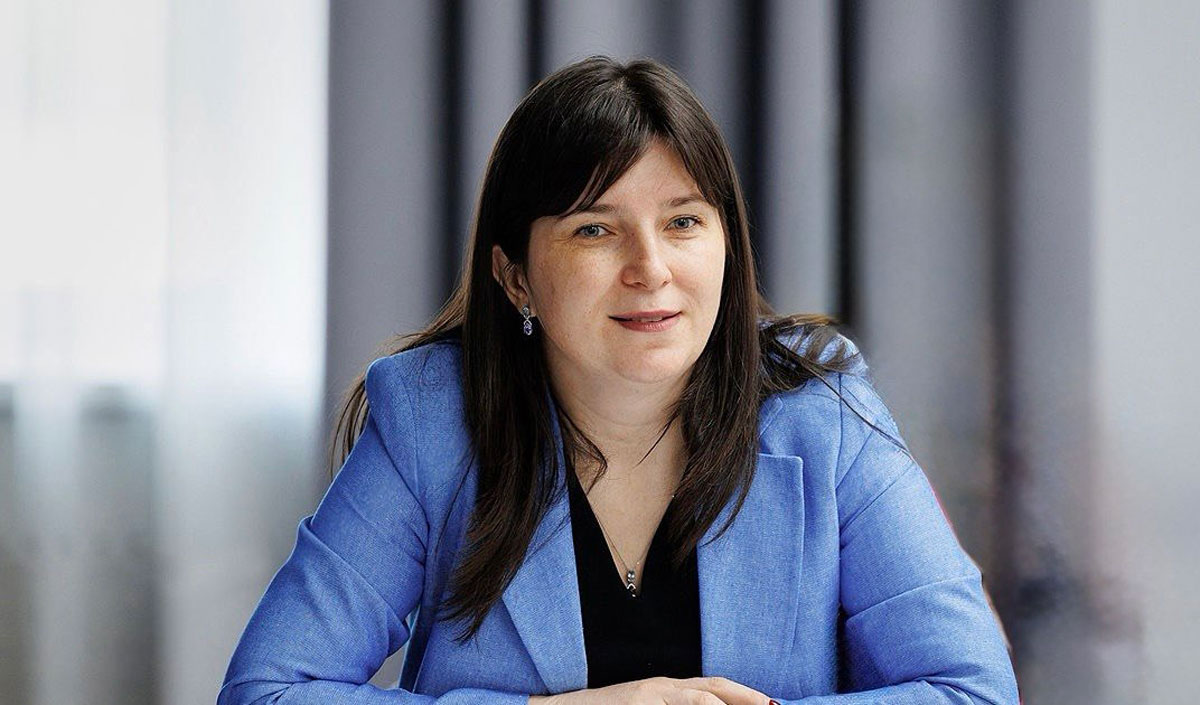
Finance Minister Victoria Belous held a meeting with members of the American Chamber of Commerce in Moldova (AmCham Moldova), during which they discussed the main priorities of tax policy for 2027 and the organization’s proposals.
Romania will not receive 770 million euros from the European Recovery and Resilience Facility (RRF).
The Agency for Geodesy, Cartography, and Cadastre has developed a draft of an updated model for appraising land parcels designated for fruit growing, as well as new appraisal coefficients to be used in the model.

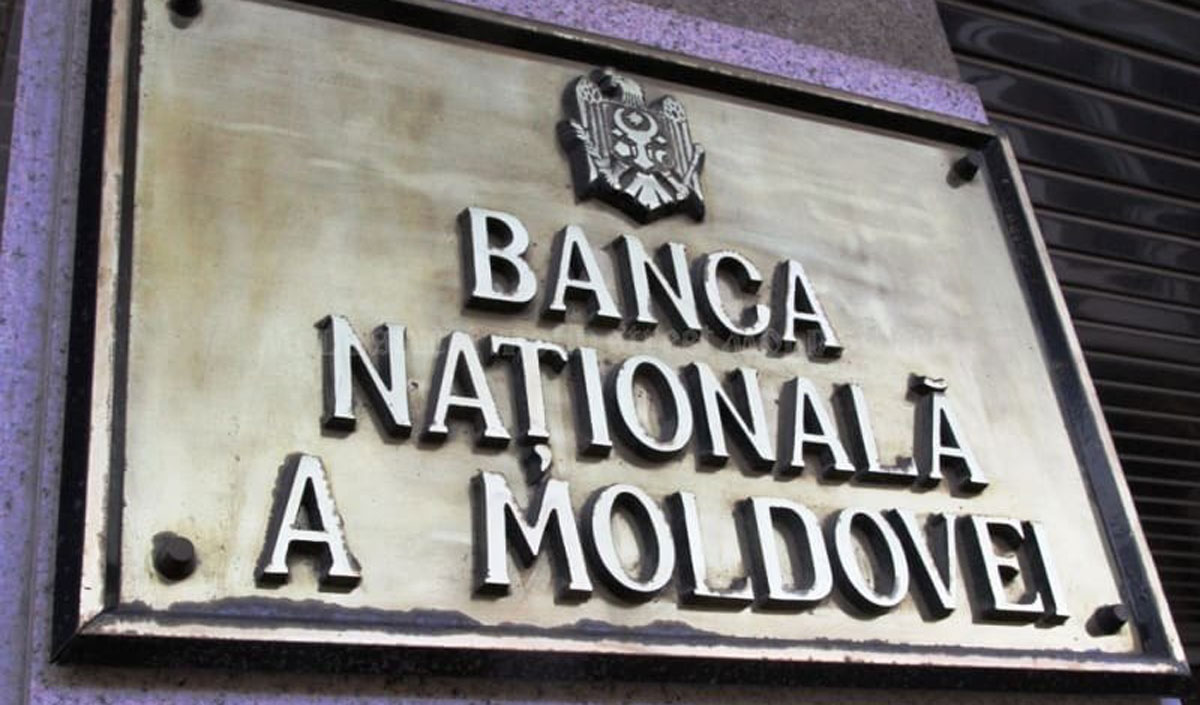
Sovereign and independent, just like the Moldovan state, the National Bank of Moldova is also celebrating its anniversary today, marking the 35th anniversary of its founding alongside the entire country. On this occasion, NBM Governor Anca Dragu issued a congratulatory message, paying tribute to the “courage and unity of the citizens” that made the birth of both institutions possible.
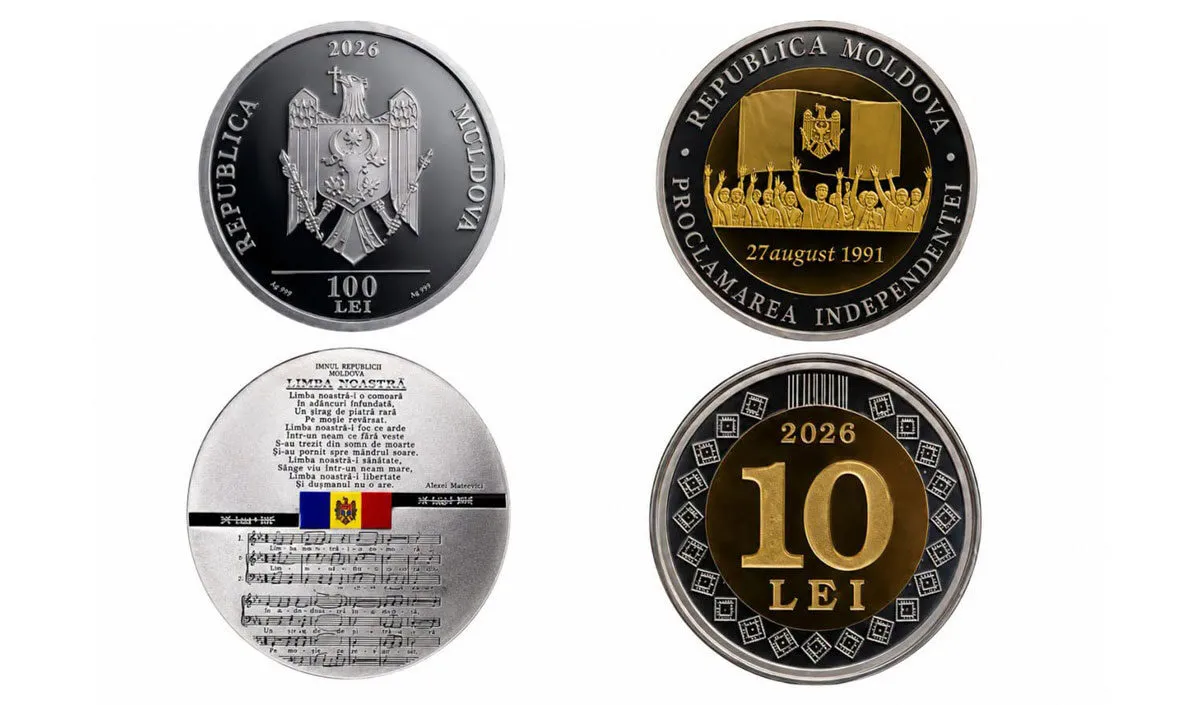
The National Bank of Moldova (NBM) put two new coins into circulation on August 26 to mark the 35th anniversary of the Republic of Moldova’s declaration of independence: a silver collector’s coin with a face value of 100 lei and a commemorative coin for circulation with a face value of 10 lei.
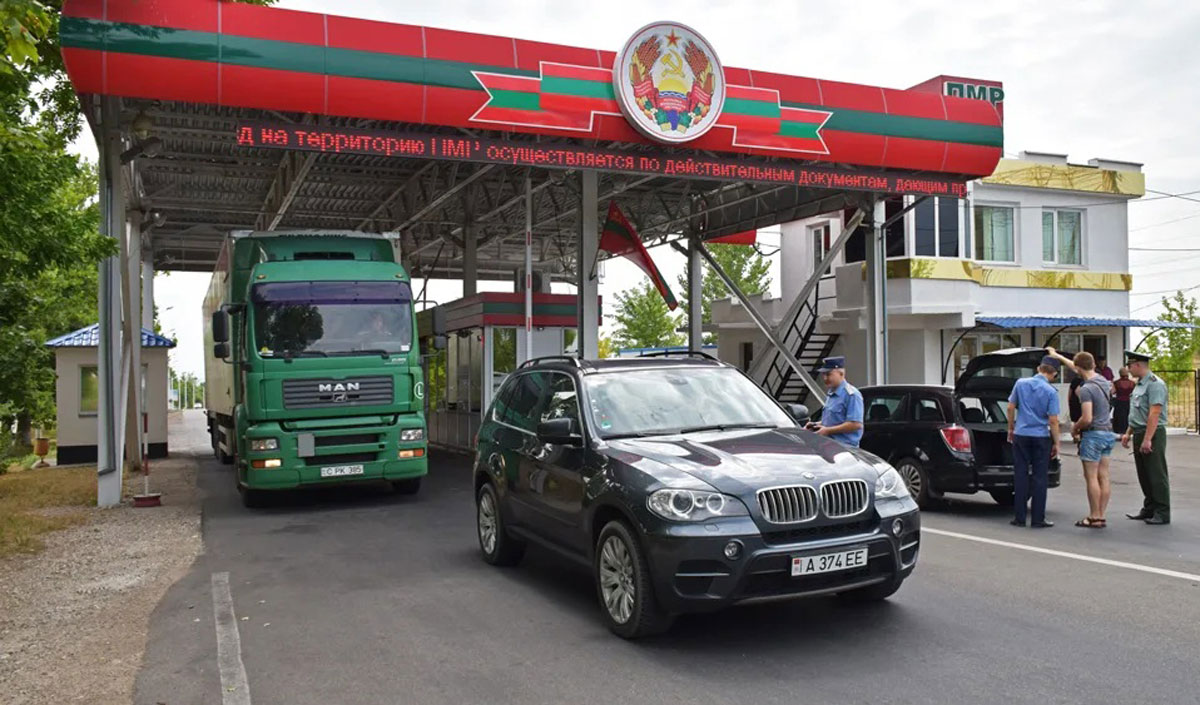
Today, the Cabinet of Ministers approved a resolution introducing VAT and excise taxes on certain categories of goods imported into Moldova by business entities from Transnistria.
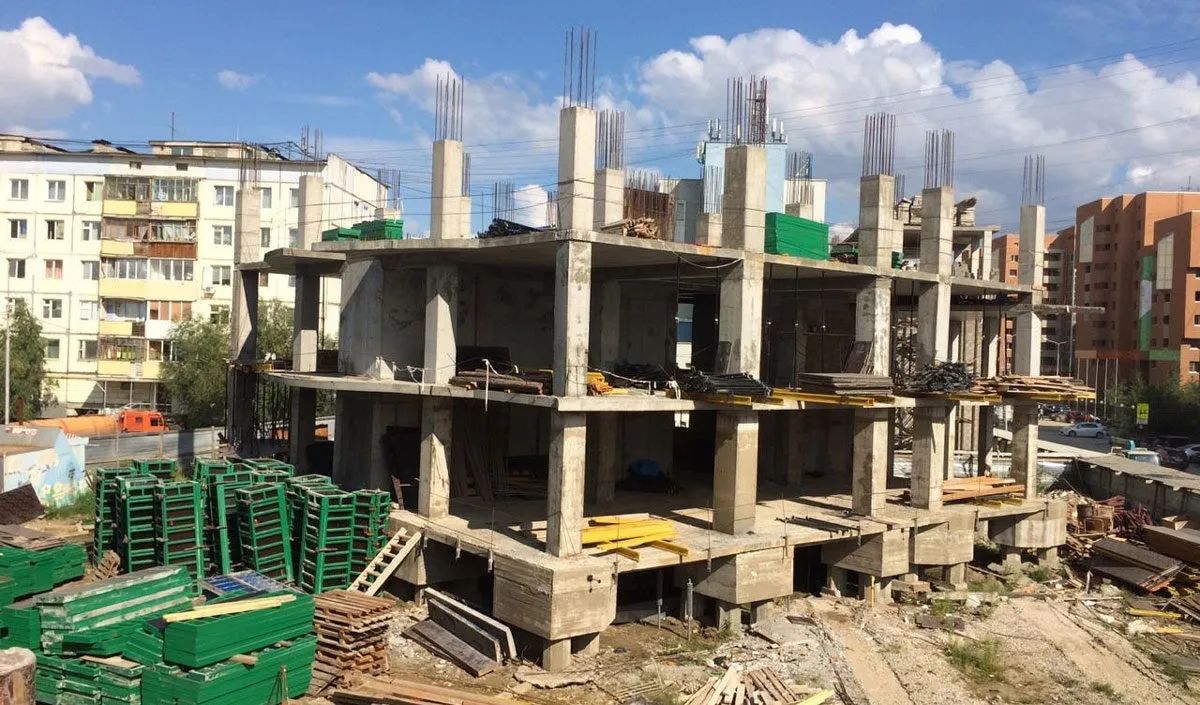
Contributions amounting to 0.5% of the total investment in fixed assets will be calculated separately for each project based on the cost estimates.
In July of this year, the total amount of gross transfers from abroad to individuals amounted to the equivalent of $189.45 million. According to data from the National Bank of Moldova (NBM), this figure demonstrates a steady upward trend in remittances to the population.
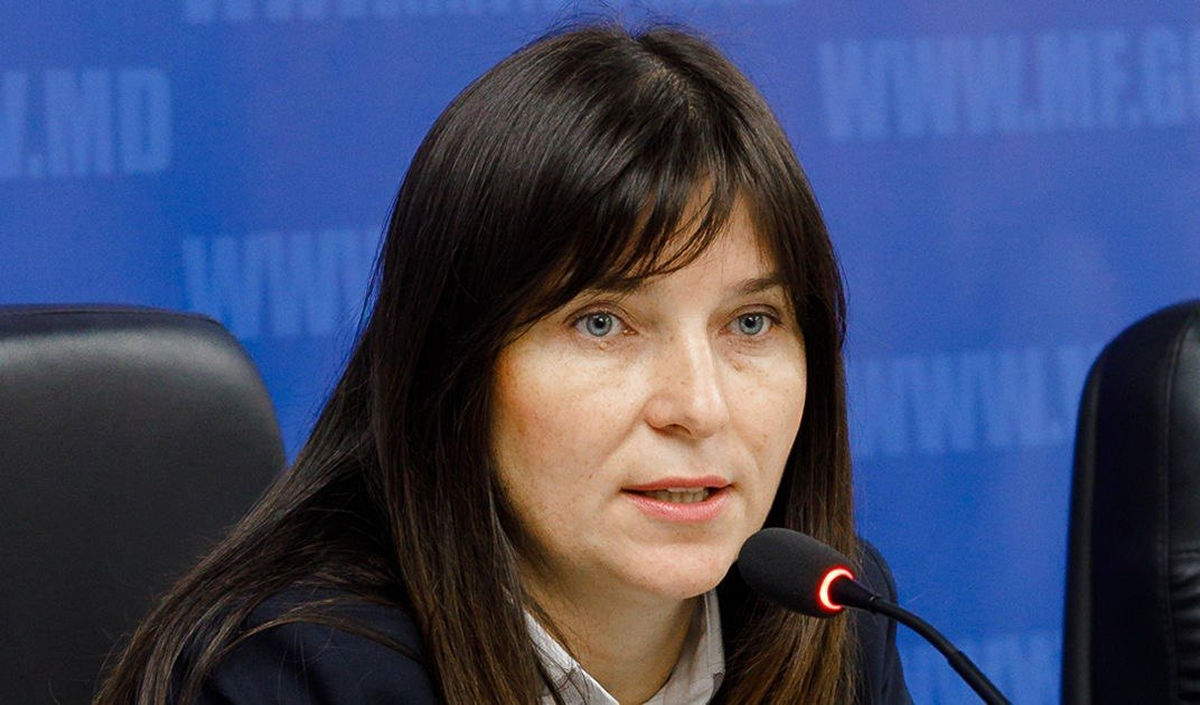
As part of the finalization of the tax policy for 2027, the Ministry of Finance organized consultations with representatives of the banking sector. The ministry will analyze their proposals and comments made during the constructive dialogue.
The total volume of loans to households and businesses in Romania in July amounted to 472.4 billion RON. Overall, it increased by 7.6% over the past year, according to the National Bank of Romania (BNR).
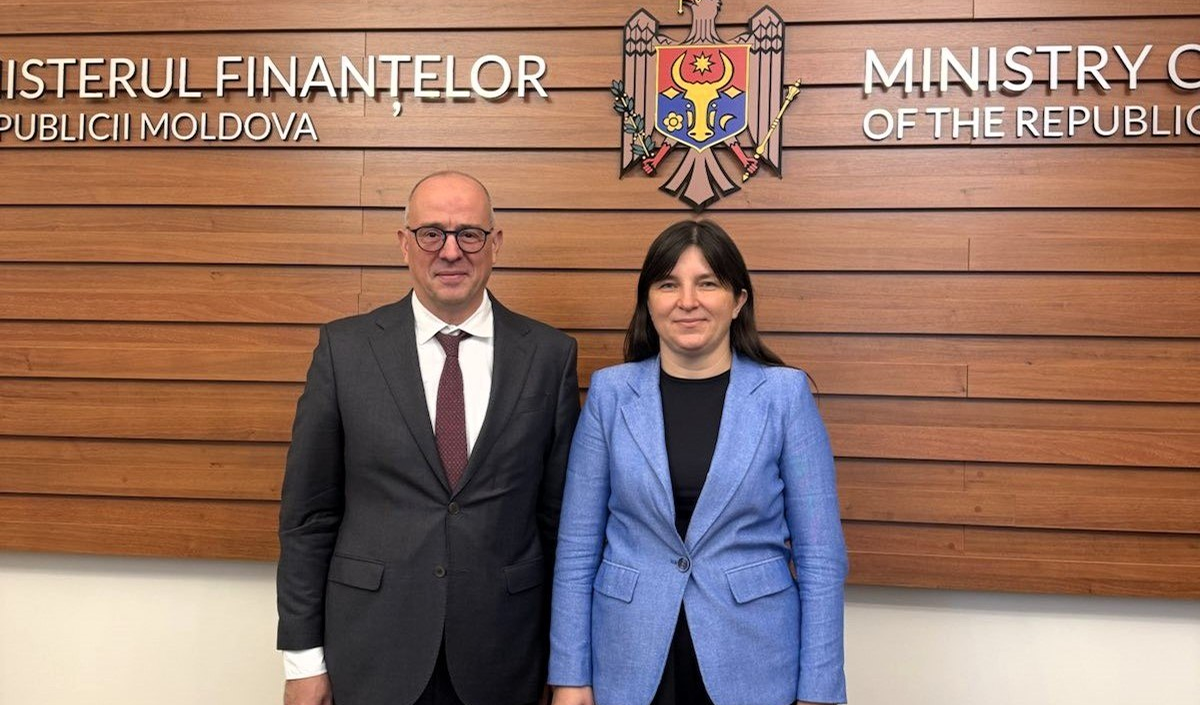
Finance Minister Victoria Belous met with Ulrich Schmitt, the World Bank Group’s Country Manager for Moldova. During the meeting, they discussed priorities for cooperation in the coming period.
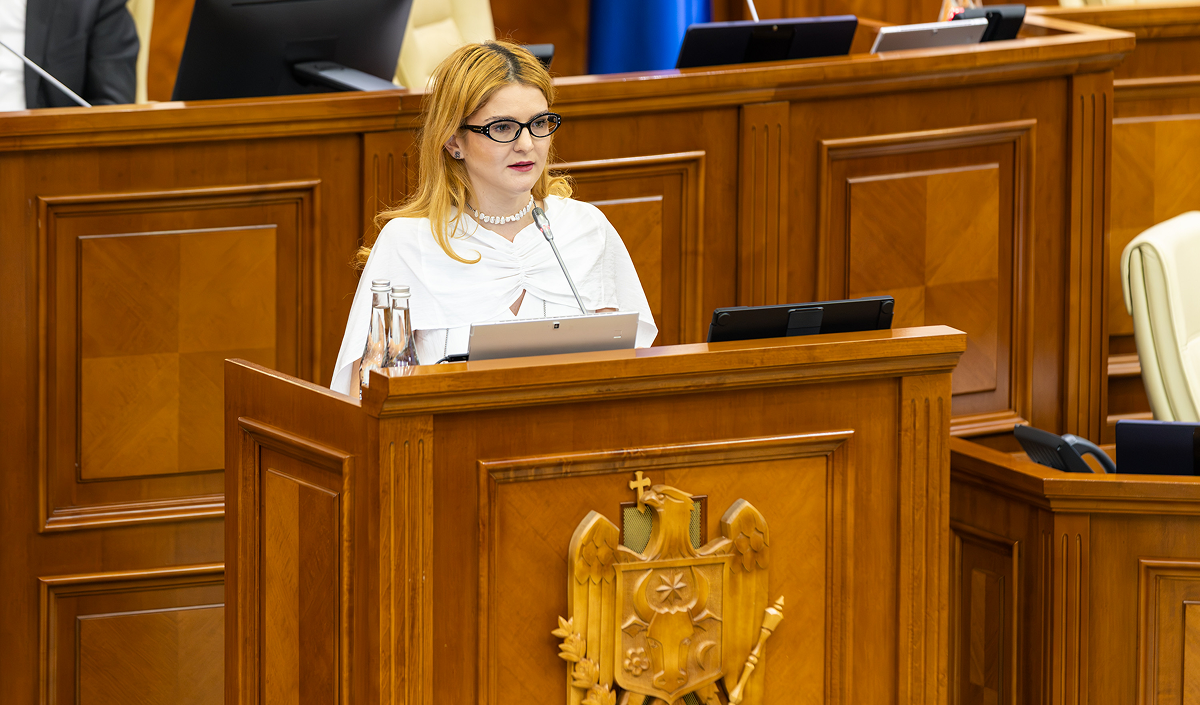
Parliament voted in the first reading in favor of a draft law on central depositories of financial instruments, developed by the National Commission for the Financial Market (NCFM) and the National Bank of Moldova (NBM). The bill aims to harmonize national legislation with European Union regulations.
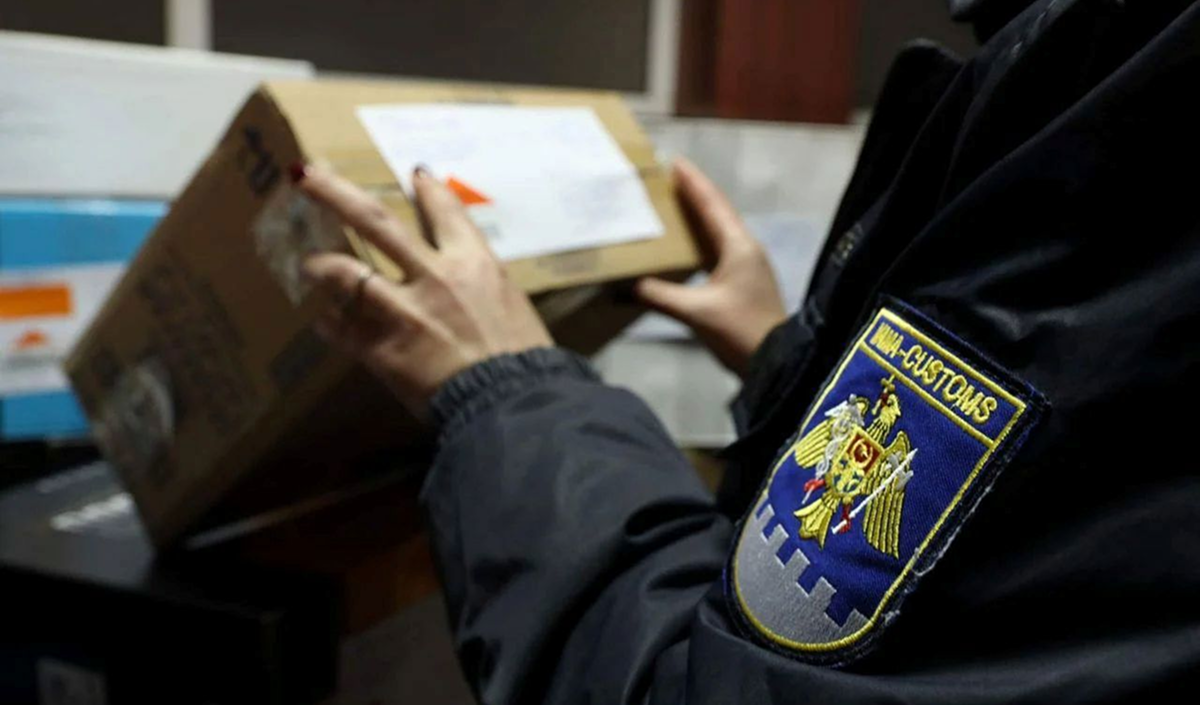
Another round of consultations on the 2027 Tax Policy Draft took place with postal and courier service providers. Current issues related to cross-border e-commerce were discussed.